Trump Threatens Iranian Infrastructure as Gold Hits Record Highs; Melbourne Scraps Lime Ebikes Over Safety
تهدید ترامپ علیه زیرساختهای ایران و جهش قیمت طلا؛ ملبورن دوچرخههای برقی «لایم» را اخراج کرد
As Donald Trump threatens to target Iranian power plants and bridges, domestic gold prices have surged by 1.2%, reflecting deep market anxiety. Meanwhile, a major tech setback in Australia sees Melbourne banning Lime ebikes, signaling a global shift toward stricter regulation of micro-mobility giants.
At time of publishing
USD
183,200
Toman
Gold 18K
18.06M
Toman / gram
Bitcoin
$64,941
US Dollar
Tether
184,800
Toman
Melbourne Council Ousts Lime Over 'Bare Minimum' Failures
In a significant blow to the global micro-mobility industry, the City of Yarra in Melbourne has voted to terminate its long-standing agreement with Lime, Australia’s largest electric bike operator. The council's decision comes after a six-year trial that officials claim failed to meet even the most basic standards of public order. Councillors cited persistent issues with bikes being dumped on sidewalks, blocking pedestrian access, and a general lack of accountability from the company in managing its fleet. This move reflects a growing global fatigue among urban planners who once embraced the "move fast and break things" ethos of Silicon Valley but are now demanding stricter compliance with local safety and aesthetic regulations.
For Iranian readers, this story serves as a cautionary tale about the pitfalls of unregulated tech expansion. While micro-mobility offers solutions to urban congestion, the Melbourne case proves that without robust local oversight and corporate responsibility, these services can quickly become a public nuisance. The termination of the memorandum of understanding suggests that the era of tech companies operating with impunity in major global cities is coming to an end, as municipalities prioritize the safety of vulnerable citizens—such as the elderly and those with disabilities—over the convenience of app-based transportation.

Trump Escalates Rhetoric as Regional Conflict Intensifies
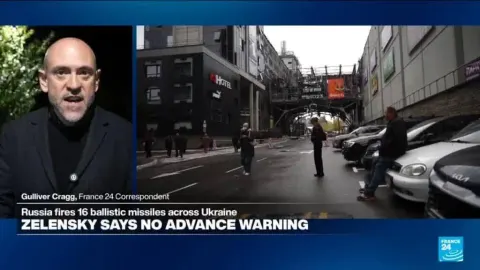
Geopolitical tensions reached a boiling point this morning as Donald Trump issued a stark ultimatum, threatening to expand U.S. strikes to include Iranian civilian infrastructure, such as bridges and power plants, unless Tehran resumes negotiations. These comments follow four consecutive days of exchanged fire and a reported U.S. maritime blockade of Iranian ports. The rhetoric has immediately impacted the local economy, with Gold 18k per gram rising from 17,856,318 to 18,064,084 Toman, a sharp 1.2% increase in just 24 hours. The Emami coin followed suit, climbing 0.8% to reach 182,500,000 Toman, as citizens rush to safe-haven assets amid fears of a wider kinetic conflict.
This escalation represents a shift from targeting military assets to threatening the very backbone of Iran's domestic stability. While the Iranian government has claimed success in targeting the U.S. Fifth Fleet in Bahrain, these claims remain part of a broader information war where transparency is scarce. For the average Iranian, the immediate consequence is not just the threat of physical strikes but the rapid erosion of purchasing power. The stable USD sell rate of 183,200 Toman masks a deeper volatility in the gold and coin markets, which often serve as the first responders to geopolitical shocks before the currency market fully adjusts to the new risk profile.

Bitcoin Nears $65k Amid Cooling U.S. Inflation
On the global stage, Bitcoin has shown remarkable resilience, rebounding to near the $65,000 mark as cooling inflation data from the United States eases fears of further interest rate hikes. The June Consumer Price Index (CPI) report has significantly shifted market expectations, with the probability of a Federal Reserve rate hike in September plummeting from 43% to just 13%. This shift has breathed new life into risk assets, including cryptocurrencies, which had been under pressure from a hawkish Fed. Bitcoin is currently trading at $64,941, benefiting from a global environment where the U.S. dollar's dominance is being tested by shifting domestic economic indicators.
However, the gains for Bitcoin have been somewhat capped by the ongoing tensions in the Middle East. While global liquidity is improving, the threat of a full-scale conflict involving Iran acts as a drag on investor sentiment, preventing a more decisive breakout above the $65,000 resistance level. For Iranian crypto investors, the situation is a double-edged sword: while the global price of BTC is rising, the local cost of entry remains high due to the USDT/Toman rate sitting at 184,800. This highlights the importance of monitoring both U.S. macro data and regional geopolitical developments, as the interplay between the two continues to define the crypto market's trajectory in 2026.

England’s 'Death Trap' Buildings and the Global Climate Crisis
In a stark warning from the United Kingdom, planning experts have cautioned that England is on the verge of building a new generation of "death trap" homes that are ill-equipped to handle intensifying heatwaves. Research indicates that only half of current local authority plans require new buildings to have adequate cooling or ventilation strategies. This oversight has already proven fatal, with an estimated 2,700 deaths attributed to heatwaves in England and Wales during May and June alone. The crisis highlights a systemic failure to adapt infrastructure to the realities of climate change, prioritizing rapid construction over long-term habitability.
This development underscores a global trend where aging or poorly planned infrastructure is failing to protect citizens from extreme weather events. Whether it is the moorland fires currently raging near the Dove Stone Reservoir or the hosepipe bans affecting eight million British households, the message is clear: the cost of inaction on climate adaptation is rising. For nations like Iran, which also face severe water management challenges and extreme heat, the UK's struggle serves as a reminder that even wealthy nations are struggling to secure their basic infrastructure against the shifting climate, making the need for sustainable urban planning a universal priority.
Frequently Asked Questions
Why did Melbourne cancel its agreement with Lime ebikes?
How did the Iranian gold market react to Donald Trump's latest threats?
What is the x402 protocol mentioned in recent fintech news?
Why is Bitcoin rising despite regional tensions in the Middle East?
Economic Sanctions: How They Shape a Country's Infrastructure
Economic sanctions are coercive measures imposed by one country—or a group of countries—against another to influence political or strategic behavior without resorting to armed conflict. They typically restrict trade, block financial transactions, and limit access to technology, aiming to create economic pressure that forces policy changes. While sanctions are a diplomatic tool, their effects ripple through every sector of the target economy, often hitting the most vulnerable populations.
The mechanics of sanctions involve both primary and secondary restrictions. Primary sanctions forbid domestic entities from dealing with designated targets, while secondary sanctions threaten to penalize foreign firms that assist those targets. This dual approach expands the reach of the sanctioning country, compelling even non‑aligned nations and multinational corporations to comply or face penalties such as asset freezes or loss of market access.
Infrastructure—roads, power plants, telecommunications, and water systems—relies heavily on imported equipment, spare parts, and financing. Sanctions that block these inputs can stall construction projects, degrade maintenance, and force the use of outdated or unsafe technology. The resulting gaps not only hinder economic growth but also affect public health and safety, as seen in power outages or deteriorating water treatment facilities.
Iran provides a vivid case study. Since the early 2000s, the United States and its allies have layered sanctions targeting Iran's oil exports, banking sector, and critical industries. Restrictions on high‑tech components have hampered the development of its nuclear and energy infrastructure, while limitations on financial channels have made it difficult for Iranian firms to secure foreign loans for large‑scale projects. The cumulative effect is a slowdown in modernizing highways, expanding the electricity grid, and upgrading urban transit—issues that political leaders, including former President Trump, have highlighted when threatening further punitive measures.
Understanding sanctions helps explain why geopolitical tensions can quickly translate into everyday hardships for ordinary citizens. It also underscores the importance of diplomatic channels and multilateral negotiations as alternatives to prolonged economic isolation, which can entrench hardship and reduce the likelihood of achieving the intended political outcomes.