China’s Economic Slump Hits Tehran’s Oil Hopes as Trump Issues New Infrastructure Threats
سایه سنگین رکود اقتصادی چین بر درآمدهای نفتی ایران؛ تهدیدهای جدید ترامپ علیه زیرساختها
China misses its GDP growth target as the ripple effects of regional conflict dampen demand, while Donald Trump escalates rhetoric by threatening to strike Iranian power plants and bridges.
At time of publishing
USD
183,200
Toman
Gold 18K
18.08M
Toman / gram
Bitcoin
$64,896
US Dollar
Tether
184,731
Toman
Market Open — Gold Shines as Uncertainty Peaks
Good morning. The Tehran market opens today under a cloud of significant global volatility. While the US Dollar remains technically stable at 183,200 Toman (+0.0%), the real movement is in the safe-haven assets. Gold 18k has jumped to 18,075,626 Toman per gram, a notable 1.2% increase in just 24 hours. This surge reflects a growing anxiety among local investors who are watching the global gold ounce hover at a staggering $4,031.40.
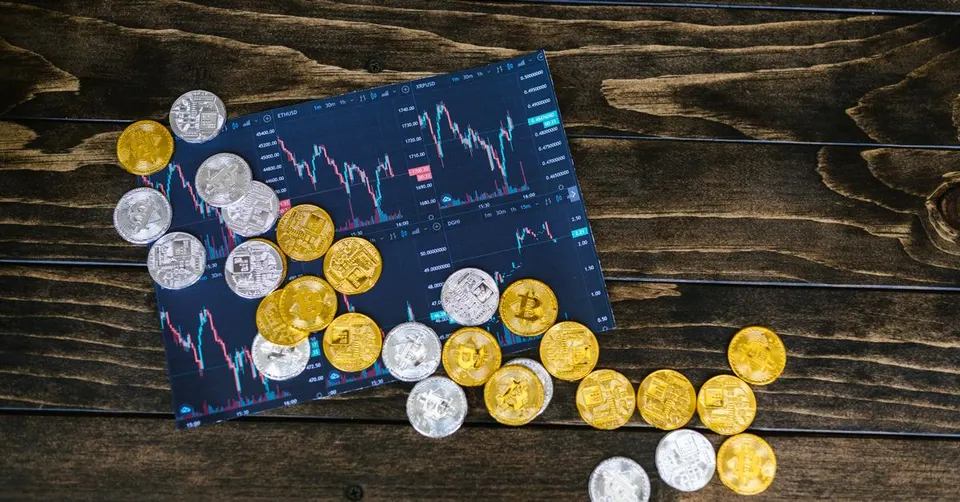
Emami coins followed suit, rising 0.8% to reach 182,500,000 Toman. In the crypto space, Bitcoin is holding relatively firm near $64,896, but the Tether (USDT) rate in Tehran remains at a premium of 184,731 Toman. The lack of movement in the official USD/IRR rate suggests heavy intervention or a 'wait-and-see' approach by major market makers, even as the underlying geopolitical risk reaches a boiling point. For the average Iranian saver, the message is clear: the market is pricing in a 'risk-on' environment for hard assets like gold.
China’s Growth Miss: A Direct Blow to Oil Revenue
In a development that carries heavy implications for the Iranian budget, China’s economic growth has fallen sharply, missing its official targets. Beijing reported that weak domestic demand and the indirect costs of the ongoing conflict in the Middle East have finally taken their toll. For months, China was the primary 'sink' for Iranian crude, but the data shows a worrying trend: Chinese refiners have largely stopped competing for Middle Eastern crude, opting instead to draw down nearly 41 million barrels from their own inventories in June alone.
This is not just a statistical miss; it is a structural shift. If China—the world's largest oil importer—continues to see cooling demand, the 'sanction-busting' oil revenue that Tehran relies on will dwindle. The International Energy Agency (IEA) notes that Beijing is essentially riding out the price spikes caused by the Strait of Hormuz impasse by using its strategic reserves. For the Iranian economy, this means less foreign currency inflow at a time when the government is already struggling with a massive deficit and inflationary pressures.
Trump Escalates: From Military Targets to Infrastructure
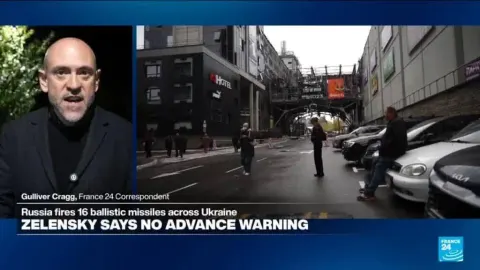
Geopolitical tensions took a sharper, more aggressive turn overnight. In an interview with Fox News, Donald Trump issued a direct threat to expand US strikes beyond military installations. He explicitly stated that if Tehran does not agree to a new deal regarding the Strait of Hormuz, the US will target 'power plants and bridges' as early as next week. This shift in rhetoric from 'surgical strikes' to 'infrastructure destruction' signals a move toward a total-war economic strategy designed to paralyze the daily lives of citizens to force a diplomatic surrender.
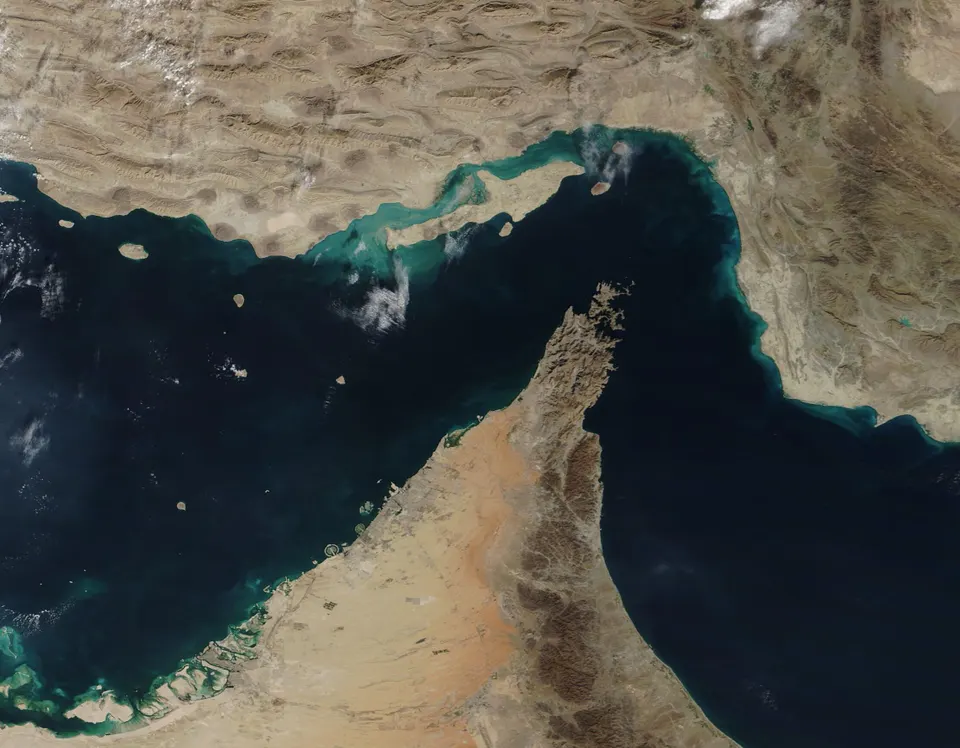
This escalation comes amid a continuing impasse over the world's most vital maritime oil chokepoint. The threat to knock out power plants is particularly sensitive given Iran's existing electricity grid challenges. Analysts suggest that such rhetoric is intended to maximize internal pressure, as the loss of bridges and power would cripple what remains of the domestic supply chain. While the markets have seen many such threats before, the specificity of the targets—power and transport—has added a new layer of risk premium to regional energy prices and local currency sentiment.
The Tightening Noose: Crypto Freezes and Legal Extensions
While the headlines focus on missiles and oil, the financial war is intensifying in the shadows. The US Treasury, led by Secretary Scott Bessent, announced the freezing of $131 million in crypto assets linked to Iranian financial networks. The Treasury claims these digital assets were being used to bypass traditional banking sanctions. This move targets the 'shadow exchanges' that many Iranians use for international trade, making it increasingly difficult and expensive to move capital across borders.
Adding to the diplomatic frost, the jail sentences for British nationals Craig and Lindsay Foreman were reportedly extended by two years. The couple, arrested on spying charges while traveling by motorcycle, has become a symbol of the 'hostage diplomacy' that Western governments frequently accuse Tehran of practicing. Such developments make any near-term de-escalation or 'grand bargain' highly unlikely, further isolating the Iranian economy from European engagement and ensuring that the 'sanctions era' remains the primary reality for the foreseeable future.
Frequently Asked Questions
Why is China's economic slowdown bad for Iran?
What does Trump's threat against 'power plants and bridges' mean for the economy?
How does the $131M crypto freeze affect ordinary traders?
The Strategic Chokepoint: Why the Strait of Hormuz Matters
The Strait of Hormuz, a narrow waterway between Iran and the United Arab Emirates, is one of the world’s most vital maritime chokepoints. Roughly 20% of global oil consumption passes through it daily, making it a linchpin for both oil‑exporting nations like Saudi Arabia, Iraq, and Iran, and oil‑importing economies across Europe and Asia. Its geography—only about 21 nautical miles wide at its narrowest point—means that even a modest disruption can cause a sharp spike in oil prices and trigger broader financial market turbulence.
Because the strait sits at the mouth of the Persian Gulf, any geopolitical tension involving Iran, the United States, or regional rivals can quickly translate into a security threat. Historical incidents, such as the 2012 attacks on oil tankers and the 2019 seizure of a British-flagged vessel, illustrate how quickly the risk of closure escalates. When the strait is threatened, shipping companies may reroute around the Cape of Good Hope, adding thousands of miles, weeks of transit time, and hundreds of millions of dollars in extra fuel costs.
For economies heavily dependent on oil revenues—most notably Iran—control over the strait is both an economic lever and a diplomatic bargaining chip. Sanctions that target Iran’s ability to sell oil often aim to restrict its access to the Hormuz corridor, while threats from the U.S. Treasury to freeze crypto assets or impose secondary sanctions are designed to deter third‑party nations from facilitating Iranian shipments. Understanding the strategic calculus of Hormuz helps explain why news about “Strait of Hormuz crises” can ripple through global commodity markets, affecting everything from crude prices to gold and even cryptocurrency volatility.
In the longer term, the strait’s importance underscores the need for diversified energy strategies. Countries are investing in alternative routes, strategic petroleum reserves, and renewable energy sources to mitigate the risk of a Hormuz shutdown. For investors and policymakers alike, monitoring diplomatic developments around the strait offers a real‑time gauge of geopolitical risk that can inform decisions on oil contracts, hedging strategies, and broader macro‑economic forecasts.