Wartime Footing: Tehran Aligns Diplomacy with Military as Trump Threatens Infrastructure
وضعیت جنگی در تهران؛ هماهنگی دیپلماسی و میدان همزمان با تهدیدات زیرساختی ترامپ
Iran transitions to a fully coordinated diplomatic and military stance as Donald Trump threatens to destroy civilian infrastructure. Local markets are reacting sharply, with Gold and USD prices surging amid fears of a wider conflict in the Persian Gulf.
At time of publishing
USD
186,100
Toman
Gold 18K
18.26M
Toman / gram
Bitcoin
$64,548
US Dollar
Tether
186,934
Toman
Tehran Synchronizes Diplomacy and Military for "Wartime Conditions"
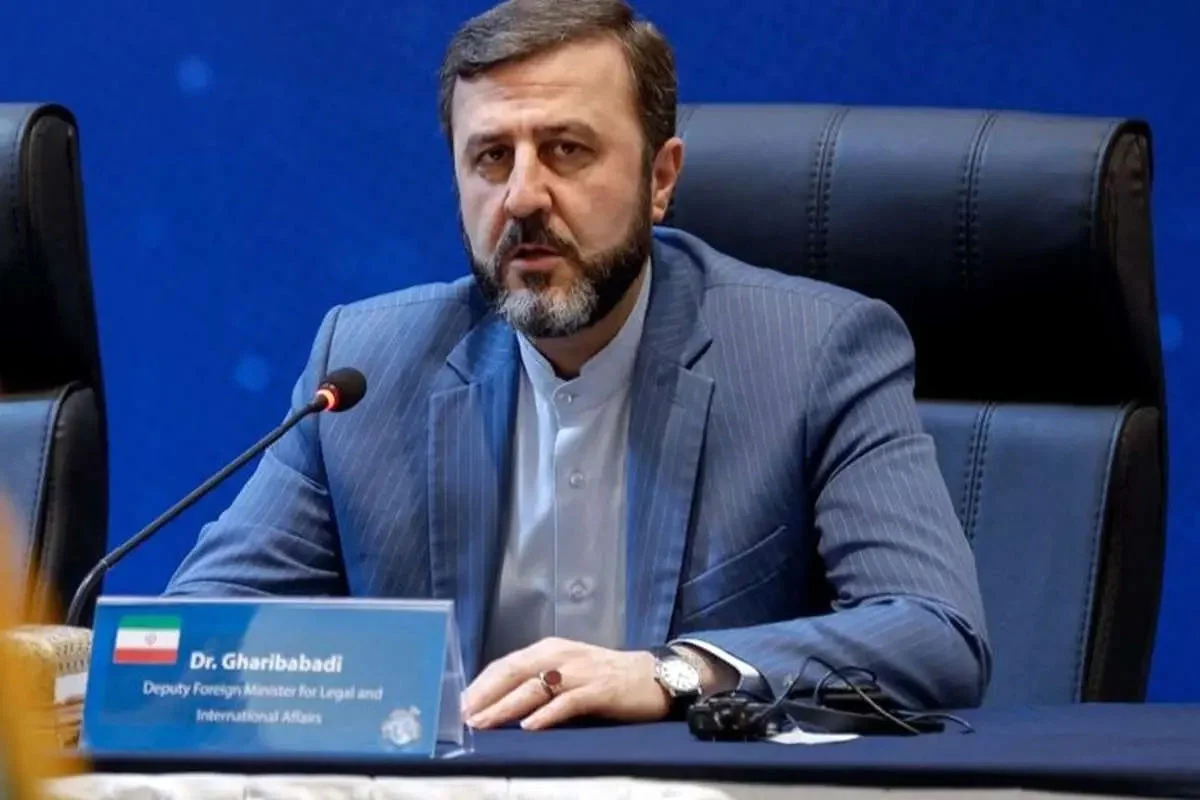
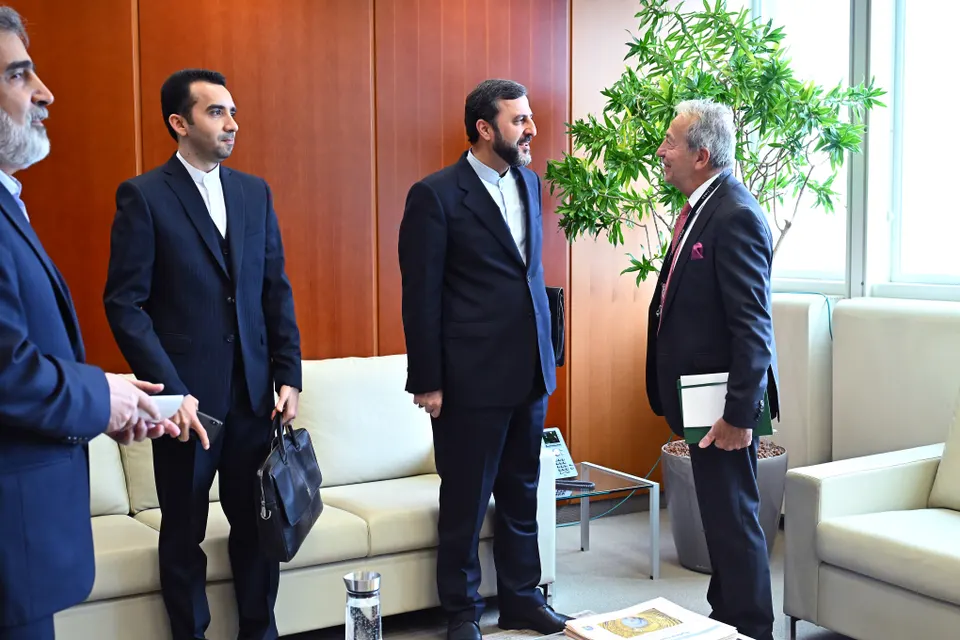
In a significant shift of rhetoric, Iran’s Deputy Foreign Minister for Legal and International Affairs, Kazem Gharibabadi, has declared that the nation’s diplomatic efforts and military strategies are now operating in total synchronization. This announcement marks a departure from previous periods where a perceived gap existed between the 'field' (military operations) and 'diplomacy.' Gharibabadi emphasized that under current "wartime conditions," every foreign policy decision is made in direct consultation with military authorities. This statement is intended to signal to the international community that Tehran is prepared for a unified response to any external aggression, effectively closing the door on independent diplomatic backchannels that do not align with its defense posture.
For the average Iranian, this shift suggests a hardening of the state's position and a preparation for prolonged regional instability. While the government claims this coordination enhances national security, it also signals that the era of de-escalatory diplomacy may be paused in favor of a more confrontational or defensive stance. This official acknowledgement of "wartime conditions" has immediate psychological effects on the market, as it validates the public's fears regarding the sustainability of the current peace and the potential for direct military engagements that could disrupt daily life and economic stability.
Trump Threatens Total Blackout; Gulf Tensions Explode
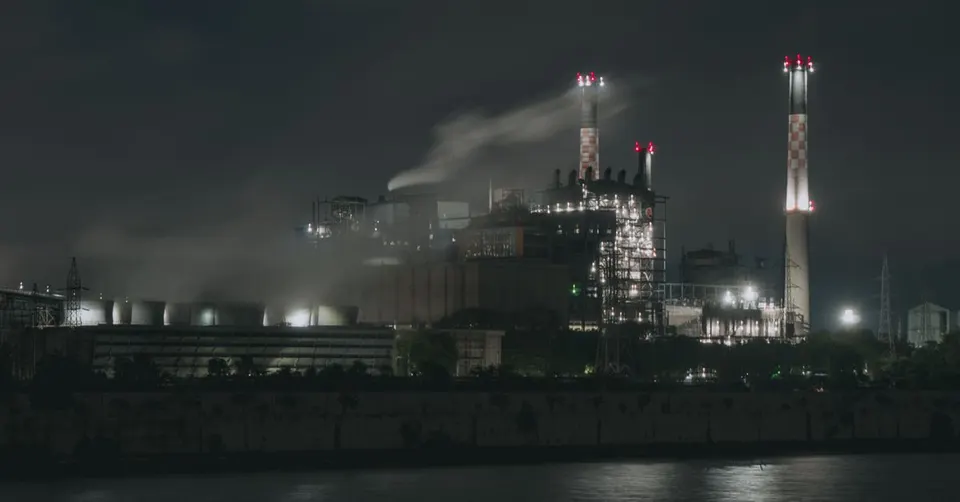
The geopolitical temperature rose further this hour following comments from US President Donald Trump, who threatened to expand military strikes to include Iran’s civilian infrastructure. In a Fox News interview, Trump stated that if Tehran does not return to the negotiating table regarding the Strait of Hormuz, the US will target power plants and bridges starting next week. This escalation follows reports from Al Jazeera indicating that the US has already carried out a wave of air strikes against Iranian positions, while the IRGC claims to have struck US military sites in the Gulf. The rhetoric from Washington suggests a shift from surgical military strikes to a strategy of "maximum pressure" aimed at crippling the domestic functioning of the Iranian state.
This development is particularly alarming because it targets the basic necessities of the Iranian population. Threatening power grids and transportation networks is a tactic designed to incite domestic pressure, but it often results in humanitarian crises. The IRGC's claims of retaliatory strikes on US assets in the Persian Gulf further complicate the maritime security of the region. As the two nations exchange fire and threats, the risk of a total blockade of the Strait of Hormuz becomes a reality, which would not only isolate Iran but also send global energy markets into a tailspin, as evidenced by China's refinery runs hitting pandemic-era lows due to supply disruptions.
Market Panic: Gold and USD Reach New Heights
The domestic financial landscape in Iran is reflecting the heightened state of alarm. According to the latest data, the US Dollar has seen a sharp increase, moving from 183,200 to 186,100 Toman, a 1.6% rise in just 24 hours. The surge is even more pronounced in the gold market, where 18k gold rose from 17,856,318 to 18,260,307 Toman per gram, marking a 2.3% jump. The Emami coin followed suit, rising 1.9% to reach 184,500,000 Toman. These movements indicate a flight to safety as citizens seek to preserve their purchasing power against a backdrop of potential infrastructure damage and further sanctions.
This market behavior is a direct consequence of the "wartime" rhetoric coming from both Tehran and Washington. When the state officially mentions wartime conditions and the US President threatens power plants, the public loses confidence in the Rial. Gold, which is currently trading at a staggering $4,025.50 per ounce globally, serves as the ultimate hedge for Iranian households. The 1.6% rise in the USD/IRR rate suggests that even with central bank interventions, the demand for hard currency is outstripping supply as businesses and individuals prepare for the worst-case scenario of total economic isolation.
The Strategic Pivot: Bypassing the Strait of Hormuz
As the conflict in the Persian Gulf intensifies, the United States is moving to permanently reduce the strategic leverage held by Tehran over the Strait of Hormuz. Reports indicate that the US is backing a massive project to rebuild the Kirkuk-Baniyas oil pipeline, which would allow Iraqi crude to reach the Mediterranean coast via Syria, completely bypassing the volatile Gulf waters. This move is intended to ensure that even if the Strait of Hormuz is closed, a significant portion of Middle Eastern oil can still reach global markets. The involvement of US companies in this reconstruction highlights the long-term nature of this strategy to diminish Iran's regional influence.
For Iran, this pipeline represents a direct threat to its most potent geopolitical card: the ability to disrupt global oil flows. If the Kirkuk-Baniyas route becomes operational, the "oil weapon" becomes significantly less effective. Furthermore, China's recent reduction in refinery throughput—falling 17.7% to the lowest levels since 2020—shows that even Iran's primary customers are struggling with the risks associated with the current maritime conflict. This suggests that the economic cost of the current standoff is already manifesting in reduced export volumes and a shift in global energy logistics that may leave Iran sidelined in the long run.
Frequently Asked Questions
What does 'wartime coordination' mean for Iran's foreign policy?
Why is the price of Gold rising faster than the USD in Iran?
How does the Kirkuk-Baniyas pipeline affect Iran's strategic leverage?
Geopolitical Risk: How Global Tensions Shape Currencies and Commodities
Geopolitical risk refers to the potential for political instability, conflict, or international tensions to disrupt global markets and economies. It encompasses a wide range of events, from military confrontations and trade wars to political upheavals and diplomatic crises. When such risks escalate, as suggested by "wartime footing" and "infrastructure threats" in the headline, they create uncertainty that fundamentally alters investor behavior and market dynamics, often leading to significant shifts in currency valuations and commodity prices.
One of the most immediate impacts of heightened geopolitical risk is on a nation's currency. In times of perceived instability or potential conflict, investors tend to lose confidence in the affected country's economic outlook. Capital may flee to safer havens, leading to a decreased demand for the local currency and an increased demand for more stable foreign currencies, such as the U.S. dollar. This outflow of capital and shift in demand typically results in currency depreciation, meaning it takes more local currency (e.g., Iranian Rial, IRR) to buy one unit of a foreign currency (e.g., USD), directly impacting the "USD IRR price."
Conversely, certain assets are considered "safe havens" during periods of geopolitical turmoil. Gold is a prime example. As traditional investments like stocks and bonds become volatile or uncertain, investors often flock to gold as a store of value, believing it will retain its worth better than other assets. This increased demand for gold drives up its price, which would be reflected in local terms, such as the "Gold price Iran Toman," offering a perceived hedge against inflation and economic instability within the country.
Furthermore, geopolitical tensions in critical regions can have a profound effect on global commodity markets, particularly oil. The "Strait of Hormuz crisis" mentioned in the keywords highlights this vulnerability. As a vital chokepoint for global oil shipments, any threat to its transit can disrupt supply chains, leading to fears of shortages and causing crude oil prices to spike. This demonstrates how localized geopolitical events can ripple outwards, affecting global energy costs and contributing to inflationary pressures worldwide.