Cyber Mercenaries and Hormuz Heat: Toman Slumps as Oil Markets Brace for Impact
سایه هکرهای اجارهای و تنش در هرمز: سقوط ریال در پی التهاب بازار نفت
A US trial exposes the dark world of corporate hacking as oil prices surge past $85 on renewed Middle East tensions. The Iranian Toman has depreciated 2.4% in 24 hours as the market reacts to the collapse of regional stability.
At time of publishing
USD
187,600
Toman
Gold 18K
18.39M
Toman / gram
Bitcoin
$64,622
US Dollar
Tether
188,450
Toman
The Exxon Hacking Trial and the Rise of Cyber Mercenaries
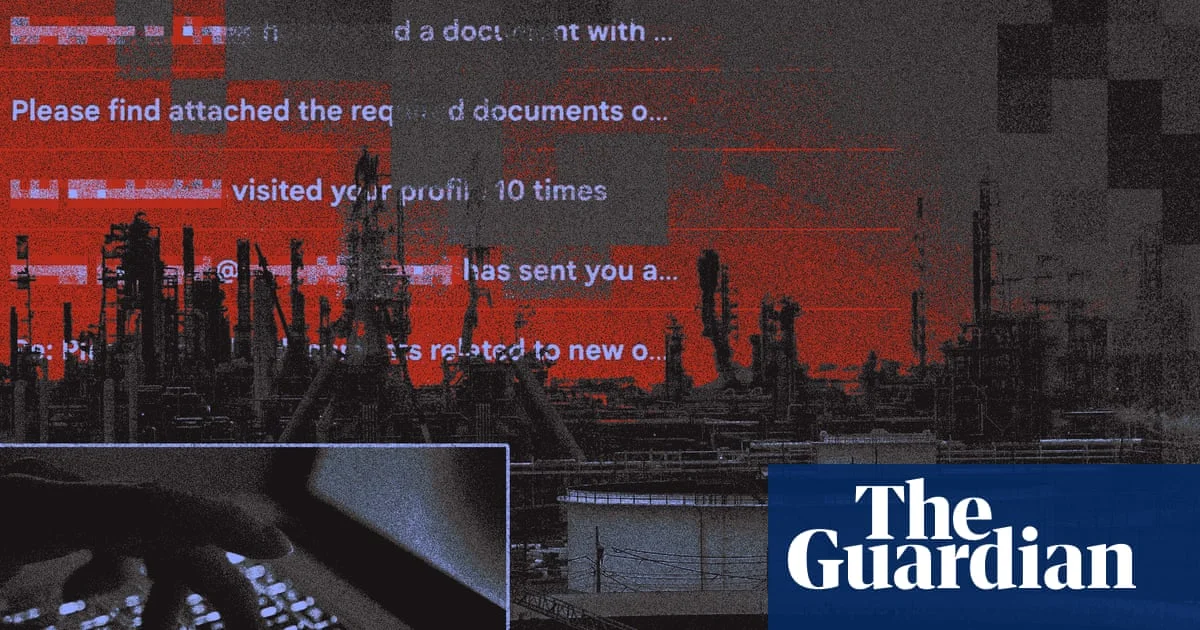
A pivotal trial in a United States court involving an Israeli private investigator is currently drawing intense scrutiny from global activists and tech experts alike. The case promises to reveal the identities of those who funded a sophisticated hacking operation targeting climate activists who were critical of ExxonMobil a decade ago. In 2015, reports surfaced that Exxon’s own scientists had identified the link between fossil fuels and climate change as early as 1982, yet the company allegedly continued to fund denial campaigns. Shortly after these revelations, the activists found their private communications compromised, leading to a long-running legal battle that highlights the growing industry of 'hack-for-hire' services.
For the Iranian reader, this story is a stark reminder of the digital vulnerability that defines the modern era. As Tehran remains embroiled in various shadow wars and domestic crackdowns, the use of private contractors to conduct state-level surveillance or corporate disruption is a tactic that has become increasingly commercialized. These mercenary groups operate across borders, often providing plausible deniability to their employers. The trial underscores that even in the most regulated markets, the tools of digital repression are readily available to those with sufficient capital, making cyber security a primary concern for both political dissidents and business leaders.

Oil Markets and the Toman’s Downward Spiral
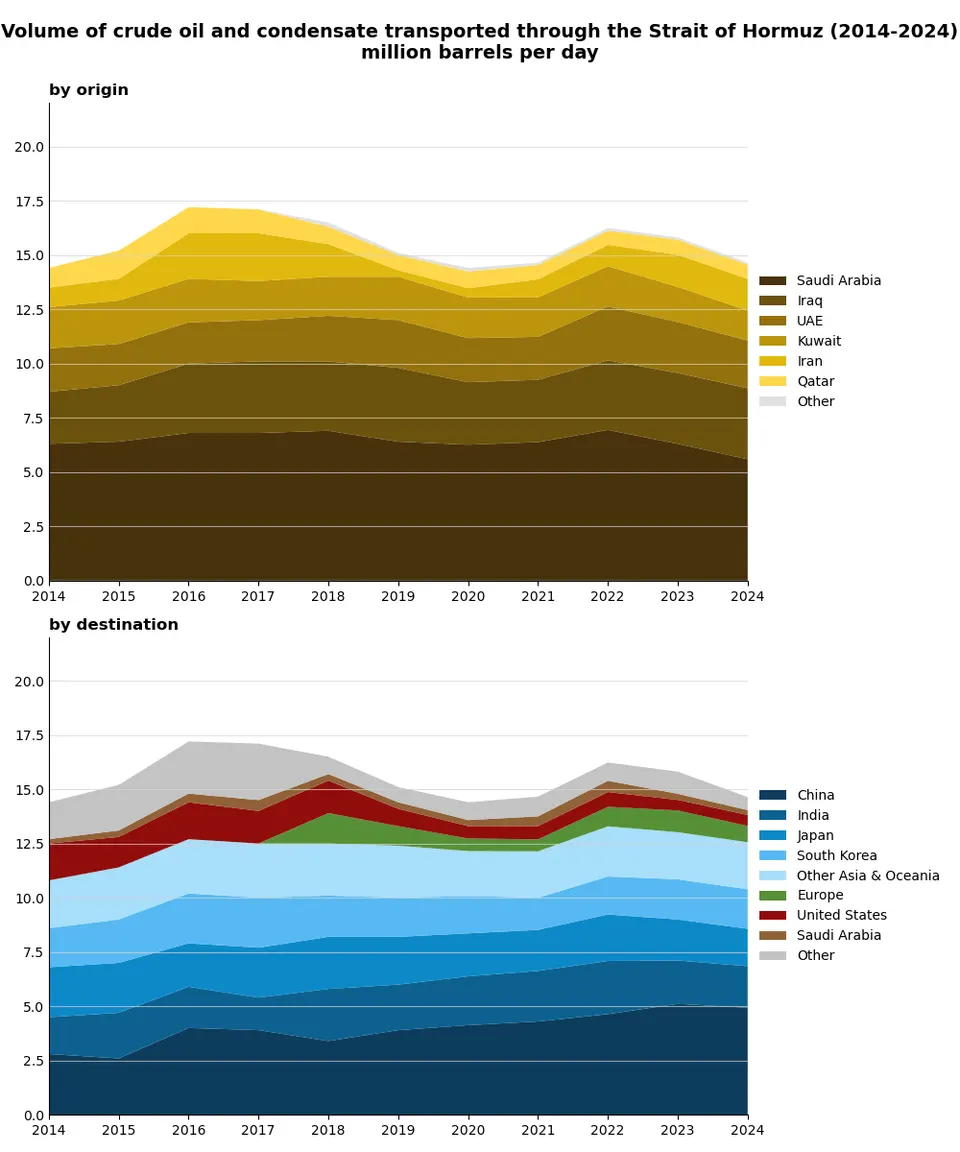
The geopolitical landscape in the Middle East has shifted back into a high-friction state, with oil prices climbing for the fourth consecutive trading session. Brent Crude has pushed past the $85 mark, driven by the collapse of the U.S.-Iran ceasefire and renewed threats regarding the Strait of Hormuz. Iranian officials have recently suggested that they could close all export corridors that benefit the U.S. and its allies, a move that has forced the market into 'backwardation.' This technical state, where immediate supply is valued significantly higher than future delivery, signals deep anxiety over near-term availability and the potential for a naval blockade.
This volatility has had a direct and immediate impact on the Iranian domestic market. In the last 24 hours, the USD/IRR exchange rate moved from 183,200 to 187,600, representing a 2.4% depreciation of the Toman. Gold prices followed suit, with 18k gold rising 3.0% to reach 18,387,275 Toman per gram, while the Emami coin rose 2.5% to 185,500,000 Toman. For the average citizen, these numbers translate to a rapid loss of purchasing power as the 'limbo' between Israel, the U.S., and Iran threatens to boil over into a full-scale regional disruption. The market's reaction suggests that investors are no longer betting on a diplomatic resolution in the short term.
China’s Slowdown and the Global Tech Shakeup
Adding further pressure to the Iranian economy is the latest data from China, which shows second-quarter GDP growth at a mere 4.3%—the weakest since the Covid-19 era. As Iran’s primary oil customer, a slowing Chinese economy means reduced demand and less leverage for Tehran on the global stage. While exports from China have surged, domestic consumer demand remains sluggish, complicating the recovery of global trade routes that Iran relies on for its non-oil exports. This economic cooling in the East, combined with rising energy costs in the West, creates a pincer effect on emerging markets that are sensitive to dollar fluctuations.
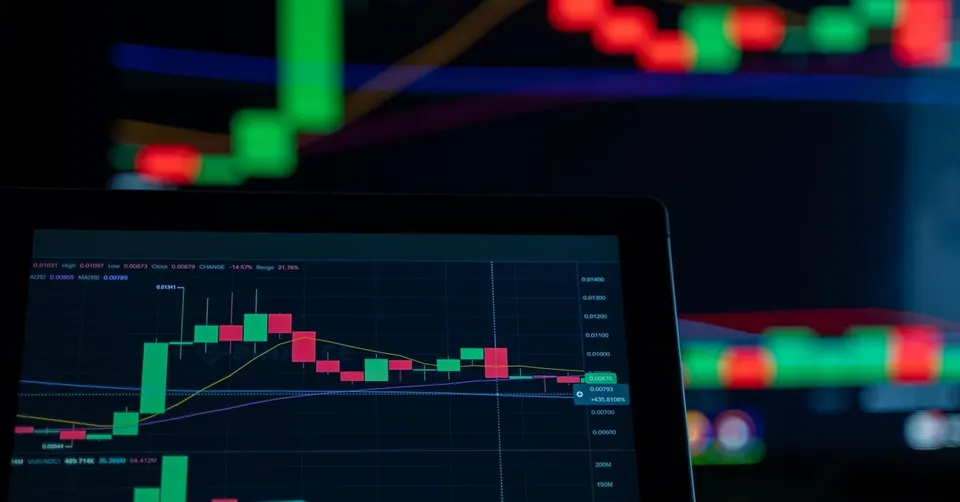
Meanwhile, the technology and financial sectors are seeing massive consolidation, with Stripe launching a blockbuster $53 billion bid for PayPal. This move, if successful, would reshape the global payments landscape at a time when digital currencies are under intense regulatory scrutiny. Bitcoin is currently trading near $64,622 as investors weigh easing interest rate jitters against the risks of Middle Eastern conflict. For those in Iran looking to crypto as a hedge against the falling Toman, the market remains volatile, limited by the same geopolitical tensions that are driving up the price of physical gold and hard currency.
Frequently Asked Questions
Why did the Iranian Toman lose 2.4% of its value today?
What is 'backwardation' and why is it happening in the oil market?
How does China's 4.3% GDP growth affect Iran?
What is the significance of the Exxon hacking trial?
The Dynamics of Currency Depreciation: Sanctions, Geopolitics, and the Toman
Currency depreciation refers to the decline in the value of one country's currency relative to others. When a currency depreciates, it means that more units of the local currency are needed to buy a foreign currency, like the US dollar. This phenomenon has profound implications: it reduces the purchasing power of citizens, makes imports more expensive, and can fuel inflation. The recent struggles of the Iranian Toman, as highlighted by concerns over the Strait of Hormuz and sanctions, offer a compelling case study into the multifaceted drivers of such depreciation.
A primary catalyst for the Toman's consistent decline has been the imposition of comprehensive economic sanctions. These sanctions severely restrict Iran's ability to export its main commodity, oil, to international markets. Furthermore, they limit access to global financial systems and deter foreign investment. The result is a drastic reduction in the inflow of foreign currency, particularly US dollars, which are essential for international trade. With a scarcity of foreign exchange, its value naturally increases against the domestic currency, leading to the Toman's depreciation.
Adding to this economic pressure are significant geopolitical risks, particularly those surrounding the Strait of Hormuz. This narrow waterway is a critical choke point for global oil shipments, and any threat to its stability can send ripples through international energy markets. For a country like Iran, heightened regional tensions and the specter of conflict deter foreign businesses and investors, leading to capital flight. Even if global oil prices rise due to such tensions, sanctions often prevent Iran from fully capitalizing on these increases, further exacerbating its foreign currency shortage and eroding confidence in the domestic economy.
The interplay of severe economic sanctions and persistent geopolitical instability creates a challenging environment for any national currency. This combination erodes public confidence, fuels domestic inflation, and encourages citizens to seek safe havens for their wealth, often in foreign currencies or assets like gold. This increased demand for foreign exchange or alternative stores of value further pressures the domestic currency, creating a vicious cycle of depreciation that impacts the daily lives and economic well-being of the population.