Trump's Election Fixation, Citadel's Crypto Bet, and Red Sea Tensions Dominate Briefing
تمرکز ترامپ بر انتخابات، سرمایهگذاری سیتادل در کرپیتو، و تنشهای دریای سرخ در خبرنامه امشب
Former President Trump's continued focus on the 2020 election, a significant investment by Citadel Securities in Crypto.com, and Iran's alleged instructions to the Houthis for Red Sea attacks are the key stories. We break down the implications for markets and regional stability.
At time of publishing
USD
188,000
Toman
Gold 18K
18.28M
Toman / gram
Bitcoin
$64,151
US Dollar
Tether
188,000
Toman
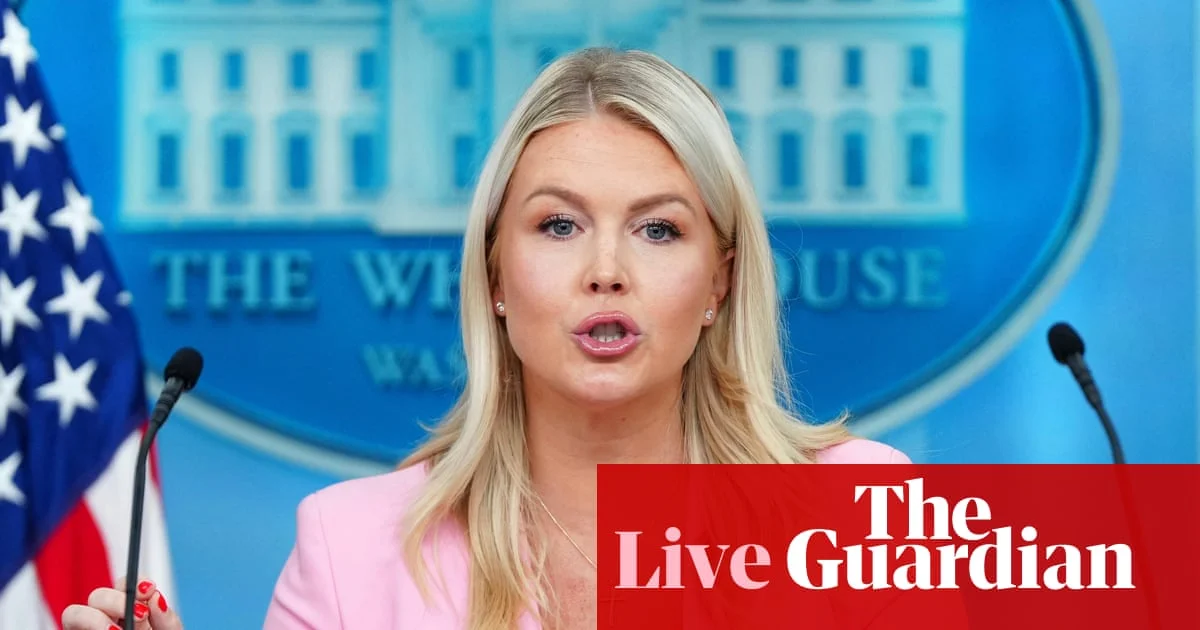
Leavitt Defends Trump's Election Focus Amidst Primetime Address
Former White House press secretary Leavitt has once again stepped forward to defend former President Trump's persistent fixation on the 2020 election results, even as reports suggest Trump's upcoming primetime address will center on this issue. This defense comes at a time when average diesel fuel prices in the US have surged past $5 a gallon, with regular gas nearing $4. These prices are a stark reminder to American consumers and truckers of the economic toll exacted by the ongoing conflict involving Iran, compounded by unpredictable rhetoric from both Washington and Tehran.
The economic impact is palpable, with diesel prices significantly higher than they were just a year ago. This situation highlights how geopolitical instability, particularly concerning Iran, directly translates into increased costs for everyday goods and transportation. The continued emphasis on past election grievances by Trump, while potentially aimed at galvanizing his base, distracts from pressing economic concerns and the complex international landscape, potentially influencing market sentiment and consumer confidence.
---
---
Citadel Securities Invests $400 Million in Crypto.com
Citadel Securities, a major player in global financial markets, has announced a substantial $400 million investment in Crypto.com, one of the world's largest cryptocurrency exchanges. This significant funding round values the exchange at $20 billion and is earmarked for expanding its offerings into tokenized securities and derivatives. This move signals a growing institutional appetite for the digital asset space and its potential to integrate with traditional financial instruments.
The investment from Citadel Securities is a clear indicator of the increasing legitimacy and maturity of the cryptocurrency market. By valuing Crypto.com at $20 billion, the deal underscores the exchange's significant market position and its ambitious growth plans. The focus on tokenized securities and derivatives suggests a strategic push towards bridging the gap between traditional finance and the burgeoning world of digital assets, potentially opening new avenues for investment and trading.
---
---
Iran Allegedly Directs Houthis to Prepare for Red Sea Attacks
Recent reports indicate that Iran has allegedly instructed Yemen's Houthi movement to prepare for potential attacks on Red Sea shipping lanes. This directive, reportedly discussed between Iranian leadership and Houthi allies, comes as a response to perceived threats of US strikes on Iranian power infrastructure. The Houthis are said to be awaiting final orders to commence targeting maritime traffic, with stockpiles of drones and advanced missiles reportedly positioned.
This alleged escalation in the Red Sea, a critical global trade artery, carries significant implications for international commerce and regional stability. Any disruption to shipping in the Bab el-Mandeb strait could lead to substantial increases in shipping costs and transit times, impacting global supply chains and potentially driving up energy prices. The move also heightens geopolitical tensions in the Middle East, potentially drawing further international involvement and increasing the risk of a wider conflict.
Israeli Government Pushes Divisive Laws Amid Shifting Democratic Support
In parallel, the Israeli government, under Prime Minister Benjamin Netanyahu, is pushing through a series of divisive laws that critics argue undermine judicial oversight and aim to consolidate political power. This legislative push occurs as support for Israel among Democrats in the US appears to be waning, with over 100 Democrats voting for an amendment to cut military aid to Israel. This shift in US public opinion is being closely watched by Republicans and signals a potential recalibration of foreign policy stances.
The internal legislative actions in Israel, particularly those affecting judicial independence, are generating significant domestic controversy and international concern. Concurrently, the evolving stance of a key US political party towards its long-standing ally suggests a complex geopolitical dynamic. These developments could have ripple effects on regional alliances, international relations, and the broader geopolitical landscape, potentially influencing investor confidence and market stability in the Middle East.
---

---
General Mills Recalls Pillsbury Rolls Over Glass Contamination
General Mills has initiated a recall of approximately 736,000 Pillsbury bread rolls due to concerns over potential glass contamination. The US Food and Drug Administration (FDA) issued a notice detailing the recall, which affects specific types of frozen bread roll dough. This recall, while seemingly a routine consumer safety issue, underscores the stringent quality control measures required in food production and the potential disruptions that can arise from manufacturing defects.
The recall highlights the importance of robust supply chain management and consumer protection protocols. For businesses, such incidents can lead to significant financial losses, reputational damage, and increased regulatory scrutiny. While this event is primarily a consumer safety alert, it serves as a reminder of the intricate processes involved in bringing food products to market and the potential for unexpected issues to arise, impacting both producers and consumers alike.
Frequently Asked Questions
What is the market impact of Citadel Securities' investment in Crypto.com?
How could alleged Iran-Houthi Red Sea attacks affect global trade?
Why is Trump's continued focus on the 2020 election significant now?
What are the implications of the Israeli government pushing divisive laws?
What is the economic fallout from the Pillsbury roll recall?
Understanding Geopolitical Risk in Financial Markets
Geopolitical risk refers to the uncertainty and potential financial impact that arises from political events, conflicts, or diplomatic tensions between nations. It encompasses everything from wars and sanctions to elections and diplomatic spats, and it can shift investor sentiment in seconds. Because markets are forward‑looking, even the hint of a crisis can trigger price swings as traders price in possible disruptions to trade, supply chains, or regulatory environments.
When geopolitical risk spikes, it often translates into higher risk premia across asset classes. Investors demand extra compensation for holding equities, bonds, or commodities that could be affected by a sudden shock. This is why you frequently see a flight to safety—gold, the U.S. dollar, and government bonds—during periods of heightened tension. At the same time, sectors directly tied to the conflict, such as energy or defense, can experience outsized moves as supply expectations change.
A recent illustration is the Red Sea crisis involving Houthi attacks on commercial shipping. The disruption of one of the world’s busiest maritime corridors has pushed oil prices higher and forced shipping insurers to raise premiums. Analysts estimate that each day of closure can shave billions of dollars off global trade volumes, which ripples through equity markets, especially for companies reliant on Middle‑East oil or container shipping.
In the United States, domestic political developments—like former President Trump’s continued influence on the Republican agenda—add another layer of uncertainty. Regulatory signals for the crypto industry, for instance, can swing dramatically based on who holds power in Washington. When lawmakers hint at stricter oversight, crypto assets often tumble, while more permissive signals can spark rapid inflows, as seen with the recent surge in Crypto.com’s token price after a favorable comment from a senior official.
High‑frequency trading firms such as Citadel Securities play a crucial stabilizing role during these turbulent periods. By providing liquidity and narrowing bid‑ask spreads, they help keep markets functional even when panic selling threatens to widen price gaps. However, their presence also means that volatility can be amplified if algorithms react to the same news feed simultaneously. Understanding how geopolitical risk interacts with market structure is therefore essential for anyone navigating today’s interconnected financial landscape.