Japan’s Imperial Pivot and Hormuz Tensions: Global Markets Brace for Impact as Oil 'Safety Net' Vanishes
چرخش تاریخی در دربار ژاپن و شعلهور شدن تنش در هرمز: بازارها در آمادهباش کامل
Japan moves to save its monarchy with new succession laws while fresh US strikes in the Strait of Hormuz push gold prices higher. Meanwhile, the return of high-risk 100% mortgages in the UK signals a shift in global credit appetite.
At time of publishing
USD
188,000
Toman
Gold 18K
18.32M
Toman / gram
Bitcoin
$62,829
US Dollar
Tether
188,868
Toman
Japan’s Imperial Patch: Adoption Overhaul to Save the Chrysanthemum Throne
The Japanese government has officially moved to relax royal succession rules, a decision that marks a significant shift in the management of the world’s oldest continuous monarchy. The new law allows for the adoption of male relatives from distant branches of the imperial family back into the main line, provided they are over 15 years old. This maneuver is a direct response to a looming existential crisis: the lack of male heirs. While the traditionalists have successfully maintained the ban on female emperors, this legal "patch" is seen as a way to preserve the patrilineal line without the radical step of allowing women to ascend the throne. For global observers and trade partners, stability in Tokyo is more than just a matter of tradition. Japan remains a pillar of the global financial system, and any perceived instability in its core institutions can ripple through the yen and international markets. By securing the succession line, the Japanese government aims to project long-term continuity. However, critics argue that by excluding female members, the monarchy is merely delaying an inevitable modernization. This legislative update follows months of debate and highlights the tension between preserving ancient customs and adapting to the demographic realities of the 21st century.
Escalation in the Strait: US Strikes and the Shadow on the Rial
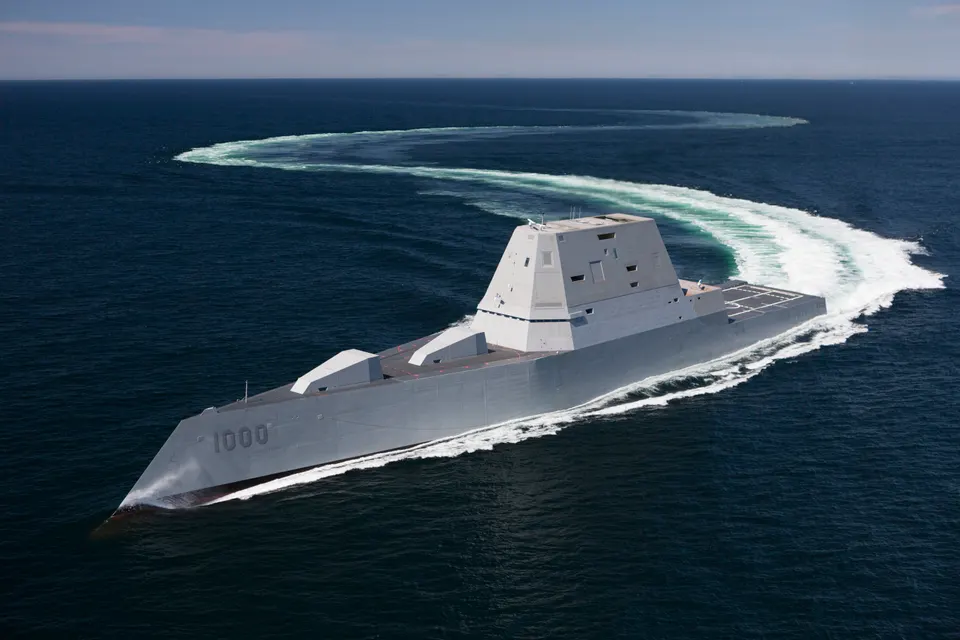
The situation in the Strait of Hormuz has taken a sharper turn this hour as the United States launched fresh strikes against what it terms strategic targets. While Washington maintains these actions are necessary to protect international shipping lanes, authorities in Tehran have claimed that the strikes hit civilian infrastructure, including vital bridges. This discrepancy in narratives underscores the volatile nature of the current conflict. Furthermore, reports of the US boarding a ship in the Strait have added a layer of maritime tension that hasn't been seen in years, directly challenging the regional status quo.
In the domestic markets, the Iranian Rial is feeling the weight of these developments, even if the nominal exchange rate remains pinned for the moment. The USD/IRR rate is currently holding steady at 188,000 Toman, but the underlying anxiety is palpable. History shows that military escalations in the Persian Gulf inevitably lead to increased demand for hard currency as a hedge against geopolitical risk. With gold prices also edging up—18k gold is now at 18,318,020 Toman (+0.2%)—it is clear that investors are seeking refuge in "safe haven" assets. The closure of the earlier U.S.-Iran memorandum of understanding has effectively removed the "safety net" for oil prices, meaning any further spark could send energy costs and domestic inflation into a new spiral.
The Return of 100% Mortgages and the Geopolitics of Steel
In a surprising move that echoes the pre-2008 financial era, high-street lenders like Metro Bank have begun offering 100% mortgages to first-time buyers. This policy shift reflects an increasingly desperate attempt to revive housing markets that have been cooled by high interest rates and stagnant wages. By removing the need for a deposit, banks are essentially betting on long-term property appreciation to offset the high risk of default. While this provides a lifeline for young buyers, it also raises red flags for economists who remember the subprime crisis, suggesting that the global appetite for risk is shifting in a way that could lead to broader market volatility if the housing bubble bursts again.

Simultaneously, a trade spat is brewing between London and Beijing over the nationalization of British Steel. China has publicly criticized the UK's move, viewing it as a protectionist measure that undermines global market competition. The UK government, however, defends the nationalization as a necessary step to safeguard "vital national capability." This friction is part of a larger trend where "national security" is increasingly used as a justification for state intervention in the economy. For Iranian businesses looking at global trade patterns, this signifies a world moving away from globalization and toward fragmented, state-protected industrial blocks, which complicates long-term supply chain planning.

Frequently Asked Questions
Why did Japan change its royal succession laws now?
What is the impact of the US strikes in the Strait of Hormuz on the Iranian market?
Are 100% mortgages a sign of a looming financial crisis?
Why is China criticizing the nationalization of British Steel?
The Strait of Hormuz: Why This Narrow Waterway Holds Global Oil Markets Hostage
The Strait of Hormuz, a 21‑nautical‑mile-wide channel between Oman and Iran, is one of the world’s most critical maritime chokepoints. Roughly 20% of daily global oil consumption—about 21 million barrels—passes through the strait each day, making any disruption a direct shock to supply and prices. Because the waterway is so narrow, naval vessels from opposing powers can easily threaten passage, turning a geographic feature into a potent geopolitical lever.
When tension spikes—whether due to regional conflicts, sanctions, or military posturing—oil traders price in a “risk premium.” This premium manifests as higher spot prices and steeper forward curves, reflecting the market’s fear that supply could be cut off. The premium can ripple through related markets: the U.S. dollar often strengthens as investors seek safe‑haven assets, while gold prices may rise as investors hedge against uncertainty. The recent flare‑up over Iran’s nuclear program and the involvement of external powers have reignited concerns that the strait could be blocked, prompting a noticeable jump in oil futures in July 2026.
Historically, the strait has been a flashpoint. The 1980s Iran–Iraq War saw both sides laying naval mines, and the 2019 attacks on oil tankers near the strait sparked a brief but sharp price surge. Modern naval capabilities, including anti‑ship missiles and fast attack craft, mean that even a short‑lived skirmish can halt traffic for hours, enough to trigger a cascade of price adjustments across global markets. Consequently, governments and firms monitor the strait closely, maintaining contingency plans such as rerouting shipments around the Cape of Good Hope—a route that adds weeks and costs billions of dollars.
Understanding the strategic importance of the Strait of Hormuz helps explain why seemingly distant political events—like Japan’s imperial succession or UK housing policy—can indirectly affect oil‑dependent economies. When the strait’s security is in doubt, oil‑importing nations may adjust fiscal policies, central banks may tweak interest rates, and investors may shift portfolios, illustrating the interconnectedness of geopolitics and global finance.