Eighth Night of US-Iran Strikes: Jordan Becomes New Frontline as Tehran Gold Prices Diverge
هشتمین شب درگیری ایران و آمریکا: اردن جبهه جدید نبرد و نوسان معنادار قیمت سکه در تهران
The US has launched its eighth consecutive night of strikes against Iranian-linked targets following troop deaths in Jordan, while Tehran's gold market shows signs of defensive hedging despite a flat dollar.
At time of publishing
USD
195,800
Toman
Gold 18K
18.88M
Toman / gram
Bitcoin
$64,674
US Dollar
Tether
194,504
Toman
The Jordan Front: US and Iran Locked in a Dangerous Cycle of Retaliation
The geopolitical landscape has shifted dramatically in the last 12 hours as the United States launched its eighth consecutive night of strikes against Iranian-linked targets. This escalation follows the confirmed deaths of two American soldiers in Jordan, an event that has crossed a significant red line for the Trump administration. While previous skirmishes were often contained to Iraq or Syria, the focus on Jordan marks a strategic expansion of the conflict zone. U.S. officials report that four separate attacks have targeted their troops in Jordan within just five days, signaling a coordinated effort to pressure the American presence in the region. The situation is further complicated by reports of a missing service member, raising the stakes for any potential rescue or recovery operations.
In Tehran, the rhetoric has reached a fever pitch. State media broadcasted a message from the leadership promising "unforgettable lessons" for Washington, even as the U.S. Central Command continues its bombardment. For the average Iranian, this isn't just a military headline; it is a direct threat to economic stability. While the USD/IRT rate has remained stagnant at 195,800 today, the 1.1% jump in Emami Coin prices to 192,000,000 Toman suggests that local investors are hedging against a potential hot war. The divergence between a flat dollar and rising gold coins often indicates a panic buy of physical assets that are easier to liquidate or hide during times of extreme civil or military unrest. This "fear premium" is currently the dominant driver in the domestic market.

Kyiv Under Fire: Russia’s Largest Ballistic Assault and Ukraine’s Internal Rift
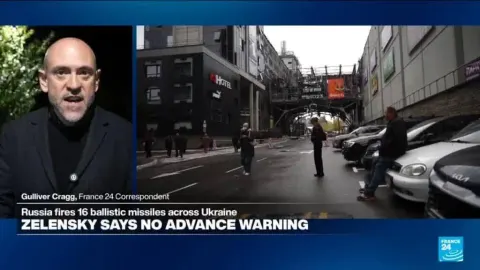
While eyes are on the Middle East, the war in Ukraine has entered a terrifying new phase. Russia has launched its largest ballistic missile attack on Kyiv since the start of the conflict, exploiting a critical shortage of Patriot air defense munitions. Unlike cruise missiles, which can be intercepted by various systems, ballistic missiles require high-end interceptors that Kyiv is currently running low on. This barrage has not only caused physical destruction but has also amplified political tensions within the Ukrainian capital. The timing is particularly sensitive as the world’s attention is diverted toward the US-Iran escalation, leaving Ukraine feeling increasingly isolated in its struggle to protect its urban centers.
On the ground in Kyiv, the pressure is turning inward. Protesters have begun targeting General Oleksandr Syrskyi, Ukraine’s top commander, following his clash with the recently ousted defense minister. This internal friction, coupled with the relentless Russian aerial campaign, creates a precarious situation for Western allies who are already stretched thin. Interestingly, this chaos contrasts sharply with the global spectacle of the World Cup 2026 final in New York, where tickets are reaching a staggering $2.3 million on resale platforms. The duality of world events—missiles falling on Kyiv while millions are spent on a football match—highlights the deep fragmentation of the current global order.

Bitcoin’s Tightrope Walk: Regulatory Delays and the $65,000 Resistance
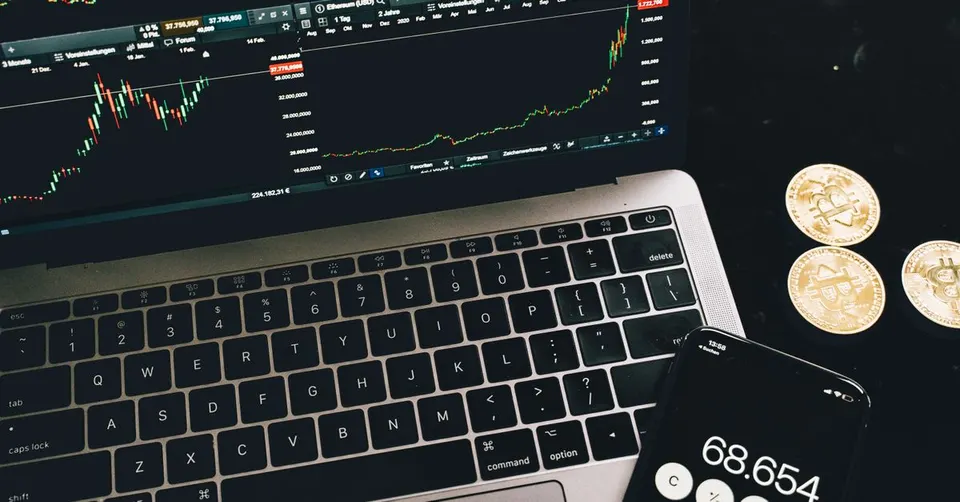
In the digital asset space, Bitcoin remains locked in a frustratingly tight range, struggling to break and hold above the $65,600 mark. Despite a minor recovery from an earlier shock and doubts surrounding crypto legislation, the market lacks a clear catalyst to push higher. The primary drag appears to be a mix of macroeconomic uncertainty and the recent news that U.S. regulators have missed the one-year deadline for final stablecoin rules under the GENIUS Act. This delay compresses the implementation window for issuers, creating a cloud of regulatory fog that institutional investors are hesitant to navigate. Furthermore, France's recent order to block Polymarket due to regulatory concerns adds to the sense that the "wild west" era of crypto is facing a coordinated global crackdown.
For Iranian crypto traders, this stagnation is a double-edged sword. While BTC at $64,674 offers a relatively stable entry point compared to the volatility of the local gold market, the lack of upward momentum means it isn't providing the hedge-like returns many hope for during domestic crises. However, with the Tether (USDT) rate sitting at 194,504 Toman—nearly identical to the free market dollar—crypto remains the primary bridge for those looking to move capital out of the Rial. As long as the US-Iran conflict remains in an "exchange of strikes" phase without full-scale war, expect Bitcoin to continue its sideways crawl, sensitive to every headline coming out of the Pentagon or the Central Bank of Iran. The launch of Zcash's new Zakura node, aiming for 50,000 transactions per second, shows that technical innovation continues, but for now, geopolitics is the only chart that truly matters.
Watch
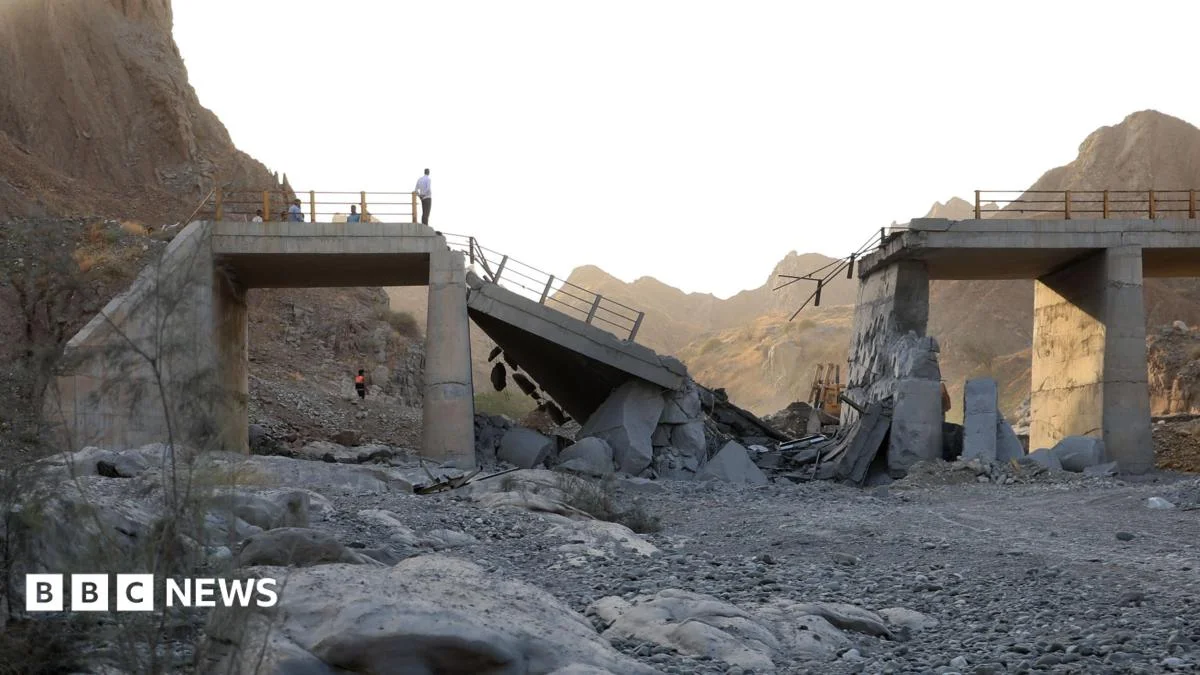
Iran says strike on Jordan was RETALIATION for US attacks on bridges, military infrastructure
Fox News
Frequently Asked Questions
Why is the price of gold coins rising in Tehran while the dollar remains stable?
What makes the recent strikes in Jordan different from previous incidents in Iraq or Syria?
How is the shortage of Patriot missiles affecting the situation in Kyiv?
Gold as a Safe Haven in Times of Geopolitical Instability
In moments of heightened global tension and conflict, like the US-Iran strikes mentioned in the headline, investors and ordinary citizens often seek refuge in assets perceived as stable and reliable. This phenomenon highlights the enduring role of gold as a safe haven asset. A safe haven is an investment that is expected to retain or increase in value during times of market turbulence or economic downturns. Historically, gold has fulfilled this role due to its intrinsic value, universal acceptance, and limited supply, making it a preferred store of wealth when other investments, such as stocks or local currencies, become volatile.
The mechanism behind gold's safe-haven appeal is multifaceted. When geopolitical risks escalate, leading to uncertainty about future economic stability, investors tend to sell off riskier assets and move their capital into gold. This increased demand, coupled with gold's inherent scarcity, typically drives its price higher. Furthermore, gold is often seen as a hedge against inflation and currency devaluation. In regions facing sanctions or severe economic pressure, local currencies can lose purchasing power rapidly, making gold a crucial tool for preserving wealth.
The headline's mention of "Tehran Gold Prices Diverge" underscores this point. In countries like Iran, which face international sanctions and significant economic volatility, the local gold market often behaves differently from global benchmarks. Factors such as capital controls, a strong local demand for wealth preservation, and potential black market premiums can lead to a significant divergence in local gold prices (like the Emami coin) compared to international spot prices. This divergence reflects the intense local demand for a tangible asset that can protect against inflation and political risk when other options are limited or unreliable.
Understanding gold's role as a safe haven is crucial for comprehending how economic markets react to geopolitical events. It's a testament to its ancient appeal as a universally recognized store of value, demonstrating that even in an age of digital currencies and complex financial instruments, the allure of physical gold as a bulwark against uncertainty remains potent, particularly in regions grappling with conflict and economic instability.