Russia Batters Kyiv with Ballistic Barrage as Toman Defies Escalation with 1.3% Gain
حملات سنگین موشکی به پایتخت اوکراین؛ دلار و طلا در بازار تهران عقبنشینی کردند
Russia has launched one of its largest ballistic missile assaults on Ukrainian cities, killing at least four people, while Tehran's currency markets surprisingly strengthened. Meanwhile, the IRGC Navy reports 'accidents' in the Strait of Hormuz amid ongoing US-Iran military friction.
At time of publishing
USD
193,200
Toman
Gold 18K
18.73M
Toman / gram
Bitcoin
$64,498
US Dollar
Tether
193,525
Toman
Russia Unleashes Massive Ballistic Barrage on Ukrainian Cities
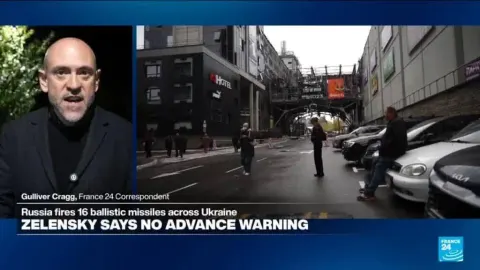
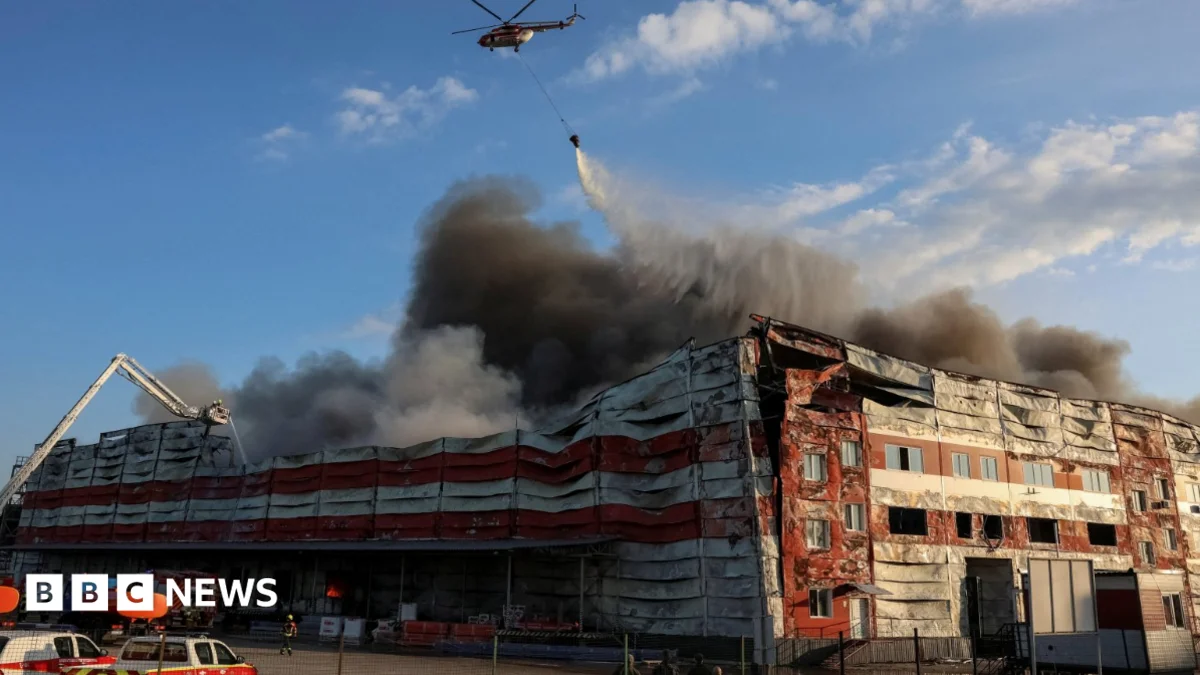
Russia launched one of its most significant ballistic missile assaults of the war today, targeting Kyiv and other major urban centers in a coordinated strike that has left at least four people dead and over 36 injured. According to reports from the BBC and the New York Times, the barrage was aimed at critical infrastructure, including energy facilities and logistics hubs. This escalation comes as a direct response to recent Ukrainian strikes on Russian military warehouses, which Kyiv claims were necessary to disrupt Moscow's supply lines. The intensity of today’s attack suggests a strategic shift by the Kremlin toward high-precision, long-range strikes to break Ukrainian morale as the conflict enters a grueling summer phase.
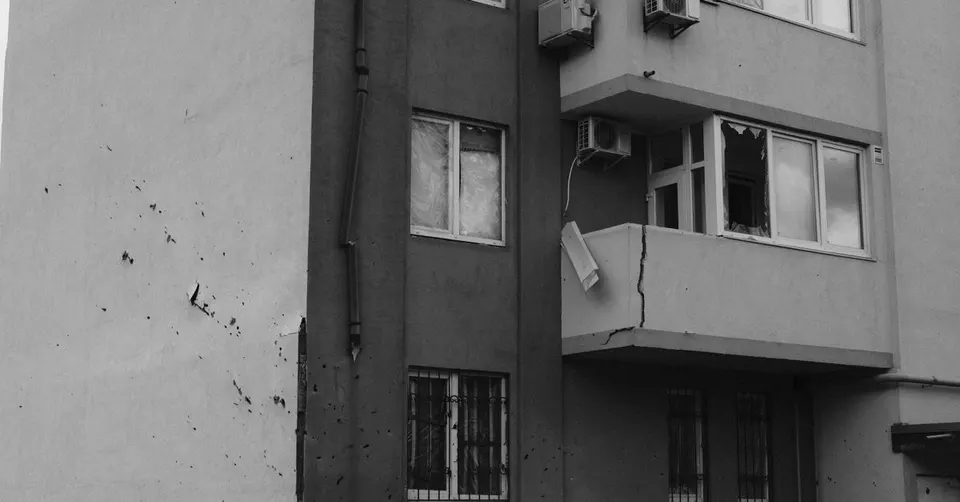
For global markets, this intensification of the conflict reinforces the persistent 'geopolitical risk premium' on energy and agricultural commodities. While the immediate market reaction was somewhat muted compared to the volatility in the Middle East, analysts warn that continued destruction of energy infrastructure could lead to a spike in European natural gas prices. The humanitarian toll remains the most pressing concern, as residential areas in Ukraine's two largest cities were reportedly hit, forcing thousands of civilians back into underground shelters. This latest wave of violence underscores the failure of recent diplomatic overtures and suggests that both sides are doubling down on military solutions rather than negotiation.
Maritime Friction in Hormuz Amid Regional US-Iran Escalation
Tensions in the Middle East reached a new boiling point as the IRGC Navy reported that two vessels were involved in 'accidents' while attempting to navigate the Strait of Hormuz. According to Iranian state media (IRNA), the ships were allegedly using an 'unsafe route' and ignored repeated warnings from local authorities. This incident occurs against a volatile backdrop where the United States has launched fresh strikes against IRGC-linked targets in response to the deaths of two American soldiers in Jordan. While the exact nature of the 'accidents' remains unverified by independent maritime monitors, the timing suggests a tactical use of the world’s most vital oil chokepoint to signal Tehran's reach and resolve.
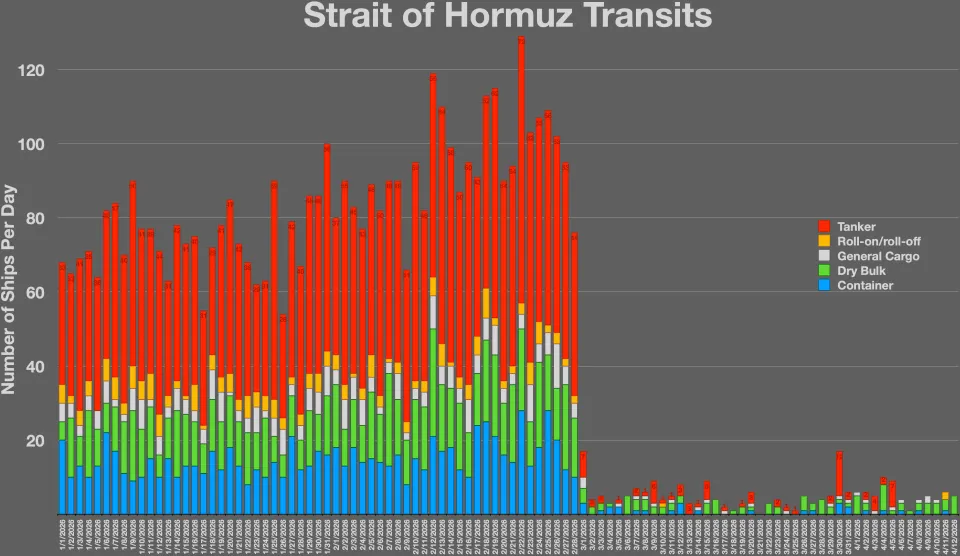
The broader regional conflict is now expanding across multiple fronts, including Kuwait and Bahrain, as reported by Al Jazeera. The cycle of retaliation—from drone strikes on US bases to naval maneuvers in the Gulf—has created a high-stakes environment for global shipping. If the Strait of Hormuz becomes a theater of frequent 'accidents' or blockades, the impact on global oil supply could be catastrophic. For now, international naval task forces are on high alert, attempting to ensure the freedom of navigation while avoiding a direct kinetic confrontation that could lead to a full-scale regional war. The situation remains fluid, with each strike and counter-strike narrowing the window for a de-escalatory off-ramp.
Tehran Markets Defy Geopolitics as Toman Gains Ground
In a surprising turn of events, the Iranian Toman showed resilience today despite the escalating regional and international conflicts. The USD sell rate moved from 195,800 to 193,200 Toman, marking a 1.3% decrease in the last 24 hours. Similarly, the price of 18-karat gold dropped by 1.6%, falling from 19,045,200 to 18,733,551 Toman per gram. This downward trend in prices, even as missiles fly in Europe and the Middle East, suggests that the domestic market had already 'over-priced' the risk of an immediate, catastrophic escalation. Traders in Tehran appear to be taking profits or reacting to a temporary lull in the severity of direct domestic threats, leading to a corrective cooling period for the currency.

However, this market calm may be fragile. While the USD and gold are currently softening, the underlying economic fundamentals remain tied to the outcome of the ongoing military tensions. The Emami coin also saw a slight dip, moving from 190,000,000 to 189,000,000 Toman (-0.5%). For the average Iranian consumer, this minor relief in exchange rates provides little long-term comfort given the high inflation and the unpredictable nature of regional politics. Financial analysts suggest that unless a formal ceasefire or diplomatic breakthrough occurs, the Toman will likely remain sensitive to any sudden news of direct confrontation between major powers in the region.
The Call for 'Sacred Unity' Amid Domestic Pressure
In the political sphere, Iranian Parliament Speaker Mohammad Bagher Ghalibaf has emphasized the necessity of 'sacred unity' as a key to overcoming current national challenges. Citing directives from the Leader of the Islamic Revolution, Ghalibaf argued that internal cohesion is the only way to resist external 'enemies' and navigate the economic hardships exacerbated by sanctions. This rhetoric is a standard fixture of Iranian political discourse during times of heightened external threat, serving to consolidate the government's base and discourage domestic dissent. By framing national unity as a religious and strategic obligation, the leadership seeks to present a monolithic front to both the domestic population and the international community.
This call for unity comes at a time when the Iranian public is facing significant economic strain, with the cost of living continuing to rise despite the marginal gains of the Toman today. The government's focus on 'struggle against the enemy' often serves as a narrative tool to deflect criticism regarding internal mismanagement or the heavy costs of regional military involvement. As the US-Iran conflict persists, the emphasis on a 'sacred' duty to align with the state's policies is expected to intensify, further narrowing the space for alternative political voices within the country.
Frequently Asked Questions
Why is the Toman strengthening despite regional military escalation?
What is the significance of the 'accidents' reported in the Strait of Hormuz?
How do the Russian missile strikes on Kyiv affect global energy markets?
Geopolitical Risk and its Impact on Currency and Safe-Haven Assets
Geopolitical risk refers to the potential for political instability, wars, or international tensions to disrupt economic activity and financial markets. These risks can manifest in various forms, from regional conflicts and trade disputes to major global confrontations, and their impact reverberates through economies worldwide. Understanding how these events influence financial instruments is crucial for investors, policymakers, and the general public alike, as they can significantly alter the value of currencies, commodities, and other assets.
Typically, when geopolitical risks escalate, a phenomenon known as the "flight to safety" occurs. Investors, seeking to protect their capital from uncertainty and potential losses, tend to move their funds out of perceived riskier assets. This often includes divesting from equities, bonds of vulnerable nations, and emerging market currencies, and instead channeling capital into assets considered more stable and reliable. Common safe havens include the US dollar, Swiss franc, Japanese yen, and gold, as well as government bonds of highly stable economies.
In economies like Iran's, which are often subject to a complex interplay of international sanctions, regional tensions (such as those concerning the Strait of Hormuz), and domestic political dynamics, the local currency (the Toman/Rial) can be particularly sensitive to geopolitical shifts. During periods of heightened global or regional instability, domestic demand for traditional safe havens like gold and foreign currencies (especially the US dollar) typically increases, exerting downward pressure on the Toman's value as people seek to preserve their purchasing power against potential economic shocks.
The headline's mention of the Toman defying escalation with a gain, however, highlights the nuanced and sometimes counter-intuitive nature of market reactions. While the general principle of currency depreciation during instability often holds, specific circumstances can lead to different outcomes. For instance, global conflicts might drive up oil prices, potentially benefiting oil-exporting nations like Iran and strengthening their currency. Alternatively, the market might perceive a particular escalation as less directly impactful on a specific economy compared to other ongoing factors, or central bank interventions might temporarily stabilize the currency. This complexity underscores that while overarching geopolitical risks exert significant influence, local dynamics and specific market interpretations play a vital role in determining immediate asset price movements.