Iran Vows Reconstruction Amid US Strikes; Global Markets Watch Geopolitical Tensions
ایران وعده بازسازی زیرساختها در پی حملات آمریکا؛ بازارهای جهانی در انتظار تنشهای ژئوپلیتیکی
Iran has pledged full reconstruction of infrastructure in Hormozgan province following recent US strikes, signaling resilience amidst escalating regional tensions. Meanwhile, global markets remain on edge, closely monitoring the geopolitical landscape and its potential impact on currency and commodity prices.
At time of publishing
USD
193,000
Toman
Gold 18K
18.76M
Toman / gram
Bitcoin
$64,548
US Dollar
Tether
193,834
Toman
Iran Pledges Full Reconstruction of Hormozgan Infrastructure
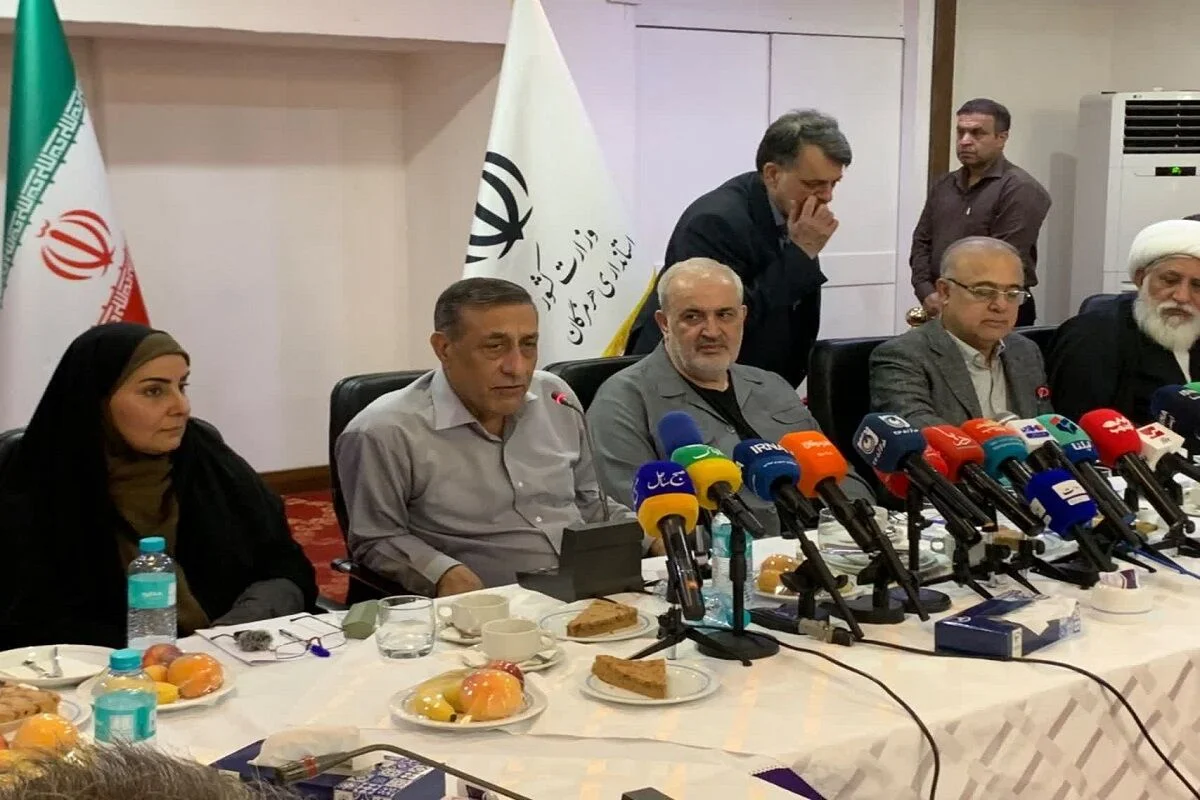
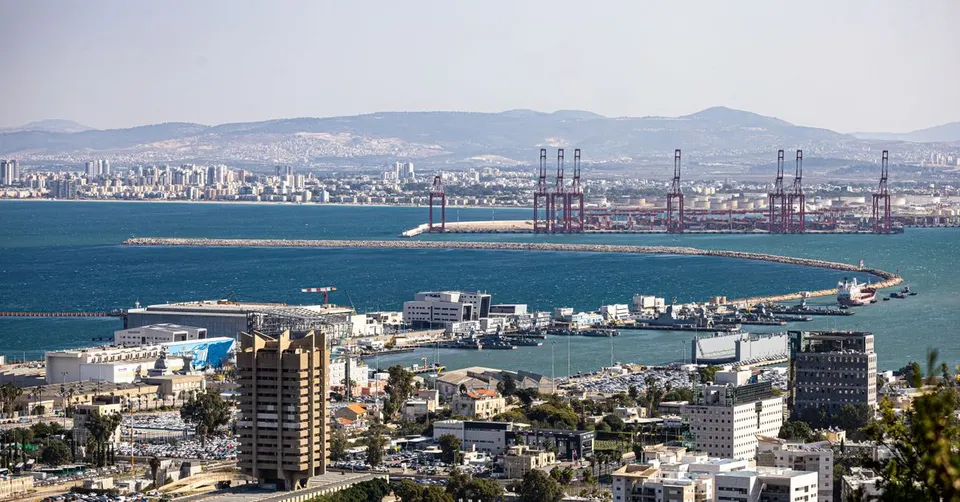
Iran's Vice President for Executive Affairs, Mohammad Jafar Qaempanah, announced on Sunday that the government is committed to the complete reconstruction of infrastructure in Hormozgan province, which has reportedly been targeted by US strikes. Arriving in Bandar Abbas to assess the damage, Qaempanah vowed that the administration would stand by residents until every affected site was fully restored. This commitment comes as Iran claims to have rapidly repaired a tunnel in the province within six hours of a reported US strike, highlighting a narrative of resilience and swift recovery.
These developments underscore the ongoing tit-for-tat exchanges in the region, with Iran framing these repairs as proof that external actions cannot diminish the nation's resolve. The government's pledge aims to reassure the populace and signal a degree of stability despite external pressures. For the Iranian people, this means a continued focus on domestic recovery efforts, but also raises questions about the long-term economic impact of such confrontations, including potential disruptions to trade and the ongoing strain on national resources, which could indirectly affect currency expectations and market confidence.
---
US and Iran on Edge as Regional Tensions Escalate
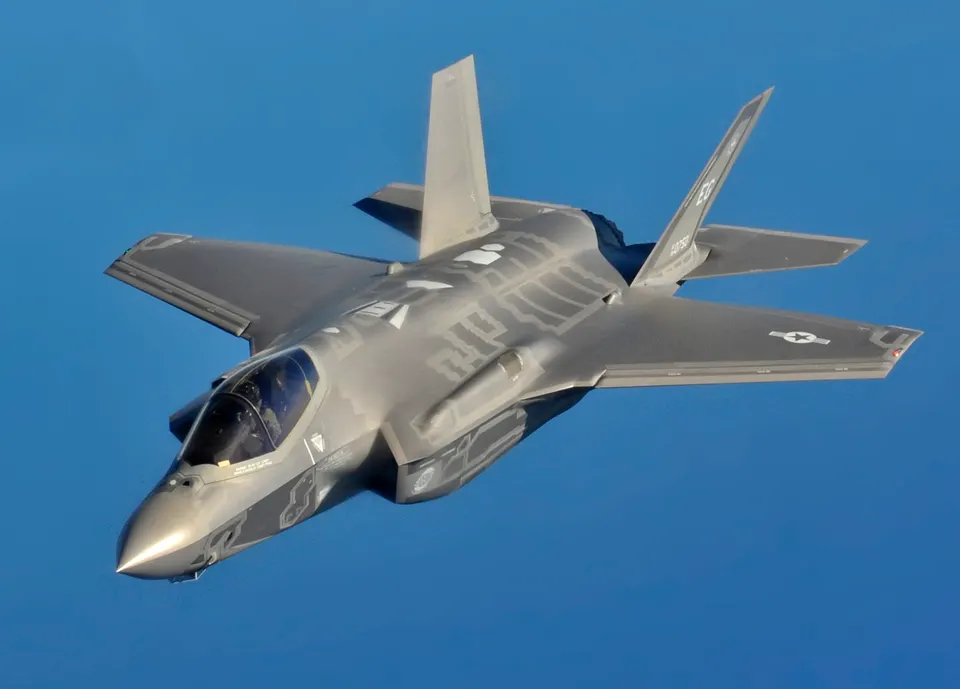
The United States is reportedly reinforcing its military presence in the Middle East, with additional warplanes being dispatched to the region. This move, which was reportedly in motion before the recent incident, underscores the heightened state of alert following the deaths of two US soldiers in Jordan, an event Iran is indirectly linked to. The International Atomic Energy Agency (IAEA) has drawn criticism for its perceived silence on an alleged US strike against the Darkhovin nuclear power plant in Iran, adding another layer of complexity to the already fraught situation.
These escalating tensions create a volatile environment that directly impacts global markets. Uncertainty breeds caution, potentially leading to a flight towards safer assets and increased price volatility for oil and other commodities. For Iran, the geopolitical friction translates into increased pressure, potentially leading to further sanctions or economic isolation, which invariably affects the Toman's exchange rate and the cost of essential goods. The broader implication is a heightened risk of wider conflict, with significant implications for regional stability and international trade routes.
---
Global Markets Monitor Geopolitical Crosscurrents
Global financial markets are navigating a complex landscape, with geopolitical developments in the Middle East taking center stage. The escalating US-Iran tensions, coupled with events like the reported death of US boxer Hannah Rapp in Texas, create an atmosphere of uncertainty that investors are closely watching. While a specific boxing incident might seem distant, the underlying theme of geopolitical instability and its ripple effects on global sentiment is a key concern for market participants.
In this environment, the performance of currencies and commodities becomes a critical indicator. The Iranian Toman's recent fluctuations, while presented as defying escalation, are closely scrutinized against the backdrop of regional conflict and potential sanctions. Similarly, gold prices and cryptocurrency markets often act as barometers for geopolitical risk. Investors are seeking clarity on how these tensions might impact energy supplies, trade flows, and overall economic confidence, making for a cautious trading environment as the situation unfolds.

Frequently Asked Questions
What is Iran's immediate response to the US strikes on Hormozgan province?
How are escalating US-Iran tensions affecting global markets?
What is the IAEA's stance on the alleged US strike on Iran's Darkhovin nuclear plant?
How might these events impact the Iranian Toman and gold prices?
Are there any other significant geopolitical events being monitored by markets?
Understanding Geopolitical Risk and Global Markets
Geopolitical risk refers to the potential for political instability, international conflicts, or shifts in global power dynamics to disrupt economic activity and financial markets worldwide. It encompasses events ranging from trade wars and diplomatic crises to military confrontations and acts of terrorism. Unlike purely economic risks, geopolitical risks introduce a layer of unpredictability driven by political agendas and national interests, making them particularly challenging for investors and policymakers to anticipate and mitigate.
When geopolitical tensions escalate, global markets often react swiftly. Key mechanisms include disruptions to critical supply chains, particularly for essential commodities like oil and natural gas, which can lead to significant price volatility. For instance, concerns over the security of vital shipping lanes, such as the Strait of Hormuz (a crucial chokepoint for global oil transit, relevant to Iran's Hormozgan province), can cause oil prices to surge. This uncertainty also prompts investors to seek "safe haven" assets like gold, certain government bonds, or specific currencies, leading to capital flight from riskier investments and emerging markets.
Beyond immediate market fluctuations, geopolitical risk can have profound long-term economic consequences. It can deter foreign direct investment, slow economic growth, and increase inflation through higher commodity prices and supply chain bottlenecks. Businesses may face increased operating costs, higher insurance premiums, and greater regulatory hurdles. Governments, in turn, might divert resources towards defense or security, potentially at the expense of social programs or infrastructure development, further impacting economic stability and global trade relations.