US-Iran Conflict Escalates: IRGC Claims Jordan Strike as Hormuz Tensions Reach Boiling Point
درگیری مستقیم در منطقه؛ ادعای سپاه درباره تلفات آمریکا در اردن و بحران در تنگه هرمز
Regional tensions hit a new peak as the IRGC claims a fatal strike on US troops in Jordan, while Iranians form a human chain at the Strait of Hormuz. Meanwhile, global markets grapple with a new UK administration and Trump's aggressive trade tariffs on Canada.
At time of publishing
USD
188,700
Toman
Gold 18K
18.16M
Toman / gram
Bitcoin
$66,224
US Dollar
Tether
188,633
Toman
Military Escalation: IRGC Claims Lethal Strike on US Base in Jordan
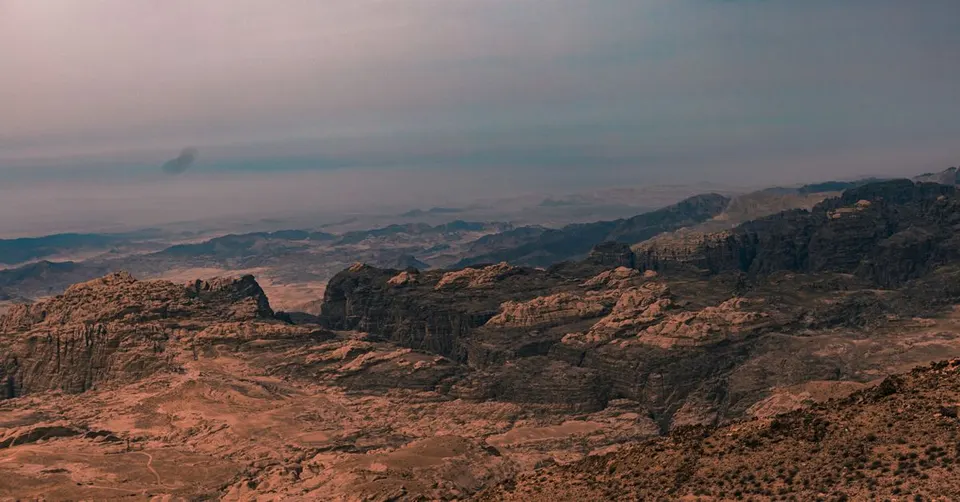
In a significant escalation of regional hostilities, the Islamic Revolution Guards Corps (IRGC) has claimed responsibility for a strike on a military compound housing American personnel in the Rukban area of Jordan. According to reports from Iranian state media, the attack allegedly resulted in the deaths of several US troops and the destruction of a missile-defense radar system. Furthermore, the IRGC claimed to have successfully hit an F-15 fighter jet inside its shelter. These claims, while not yet independently verified by international observers or the Pentagon, represent a direct and dangerous shift in the theater of conflict, moving beyond proxy engagements to claimed direct hits on US assets.
This development comes as Tehran warns of severe consequences following what it describes as continued American aggression, including a recent strike on an unfinished nuclear power plant in Khuzestan. The rhetoric from the Guardian Council suggests a total breakdown in diplomatic guardrails, with officials stating that "enemies are committed to no human rights principles." For the average observer, this signifies a period of extreme volatility. The threat of a broader regional war is no longer a theoretical risk but a present reality that is beginning to manifest in global energy markets and regional security postures.
Domestic Mobilization and the Strait of Hormuz Crisis
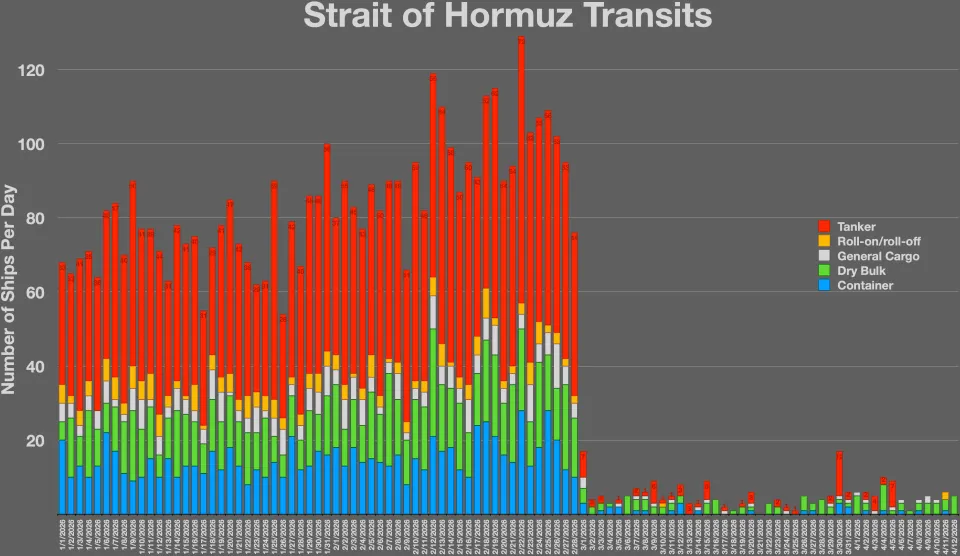
Closer to home, the symbolic and strategic pressure on the Strait of Hormuz is intensifying. Thousands of Iranians reportedly formed a human chain along the shores of the Persian Gulf near Bandar Abbas to signal their commitment to defending the country's maritime borders. While such demonstrations are often state-organized, the timing coincides with a period of intense naval friction. The Strait remains the world's most critical oil chokepoint, and any perceived threat to its navigability sends immediate shockwaves through the global economy.
For the Iranian market, this geopolitical heat is directly translating into currency pressure. The USD in Tehran's free market moved from 188,500 to 188,700 Toman (+0.1%) within the last 24 hours, reflecting a cautious but nervous sentiment among traders. Gold remains a primary hedge, though 18k gold per gram saw a slight technical dip from 18,167,967 to 18,156,424 Toman (-0.1%). The stability of the Emami coin at 183,000,000 Toman suggests that while panic has not yet fully set in, the floor for asset prices is rising as the public braces for further instability.
Global Economic Shifts: The 'Burnham Era' and Trade Wars
While the Middle East burns, the Western economic landscape is undergoing its own seismic shifts. In the United Kingdom, the newly appointed Prime Minister Andy Burnham has moved rapidly to address the cost-of-living crisis, ordering a cut in electricity taxes. This populist economic move has been met with a mix of optimism and skepticism, especially as defense stocks rally following the appointment of John Healey as Chancellor. The UK government's borrowing figures for June were lower than expected, providing some fiscal breathing room, but the specter of nationalizing Thames Water looms large as investors offer a "golden share" to prevent a state takeover.
Across the Atlantic, the Trump administration has reignited trade tensions by slapping 50% tariffs on various Canadian goods, including wine and construction materials. This protectionist pivot, combined with JPMorgan CEO Jamie Dimon’s public refusal to buy US Treasuries due to high debt levels, paints a picture of a fragmenting global financial order. For investors, the takeaway is clear: the traditional safety of government bonds and stable trade routes is being replaced by a high-risk environment where political volatility is the primary driver of value. Bitcoin's recent climb to $66,224 shows that capital is increasingly seeking alternatives to traditional fiat systems during these times of institutional distrust.

Watch
Trump administration says Iran war reaching ‘time of ambiguity’ as military strikes escalate
NBC News
Frequently Asked Questions
What are the details of the IRGC's claimed strike in Jordan?
How has the Iranian Rial responded to the recent escalation?
Why is the 50% tariff on Canadian goods significant for global markets?
The Strategic Chokepoint: Understanding the Strait of Hormuz
The Strait of Hormuz is a narrow, strategically vital waterway connecting the Persian Gulf to the open ocean, specifically the Gulf of Oman and the Arabian Sea. At its narrowest point, it is only about 21 nautical miles (39 kilometers) wide, yet it serves as the sole maritime passage for a significant portion of the world's crude oil and liquefied natural gas (LNG) from major Middle Eastern producers like Saudi Arabia, Iran, UAE, Kuwait, and Iraq. Its geographical position makes it an indispensable artery for global energy markets, rendering any disruption a cause for immediate international concern.
Economically, the Strait's importance cannot be overstated. Roughly one-fifth of the world's total petroleum consumption, and a substantial share of global LNG, transits through this chokepoint daily. For energy-hungry economies in Asia, Europe, and North America, the reliable flow of oil and gas through Hormuz is critical for industrial stability and consumer prices. A prolonged closure or significant disruption would send crude oil prices soaring, trigger global economic instability, and potentially lead to recessions worldwide, highlighting its pivotal role in global energy security.
Geopolitically, the Strait of Hormuz is a flashpoint. Bordered by Iran to the north and Oman and the UAE to the south, it has been a frequent locus of tension, particularly between Iran and Western powers, especially the United States. Iran has, on several occasions, threatened to close the Strait in response to sanctions or military threats, leveraging its strategic position to exert pressure. These threats, whether real or perceived, underscore the region's volatility and the constant vigilance required by international navies to ensure freedom of navigation.
The escalating US-Iran conflict, as hinted by the headline, brings the Strait of Hormuz back into sharp focus. Any military escalation in the region carries the inherent risk of disrupting shipping lanes, raising insurance costs, or even leading to direct confrontation that could impede the flow of energy. Understanding the Strait's strategic significance is therefore crucial for comprehending the broader geopolitical dynamics of the Middle East and their profound implications for global stability and economic well-being.