Tehran Warns Neighbors Over US Complicity as Trump Targets Frozen Assets and Global Trade
هشدار تند تهران به همسایگان درباره همکاری با آمریکا؛ تهدید ترامپ برای تصاحب داراییهای ایران
Iran has issued a stern ultimatum to Persian Gulf states regarding alleged cooperation with US military actions, while Donald Trump threatens to seize frozen assets. These geopolitical tremors, combined with new US trade tariffs on allies, have triggered a volatile morning for Bitcoin and global markets.
At time of publishing
USD
193,500
Toman
Gold 18K
18.90M
Toman / gram
Bitcoin
$65,582
US Dollar
Tether
191,208
Toman
Iran Issues Ultimatum to Regional Neighbors and Global Powers
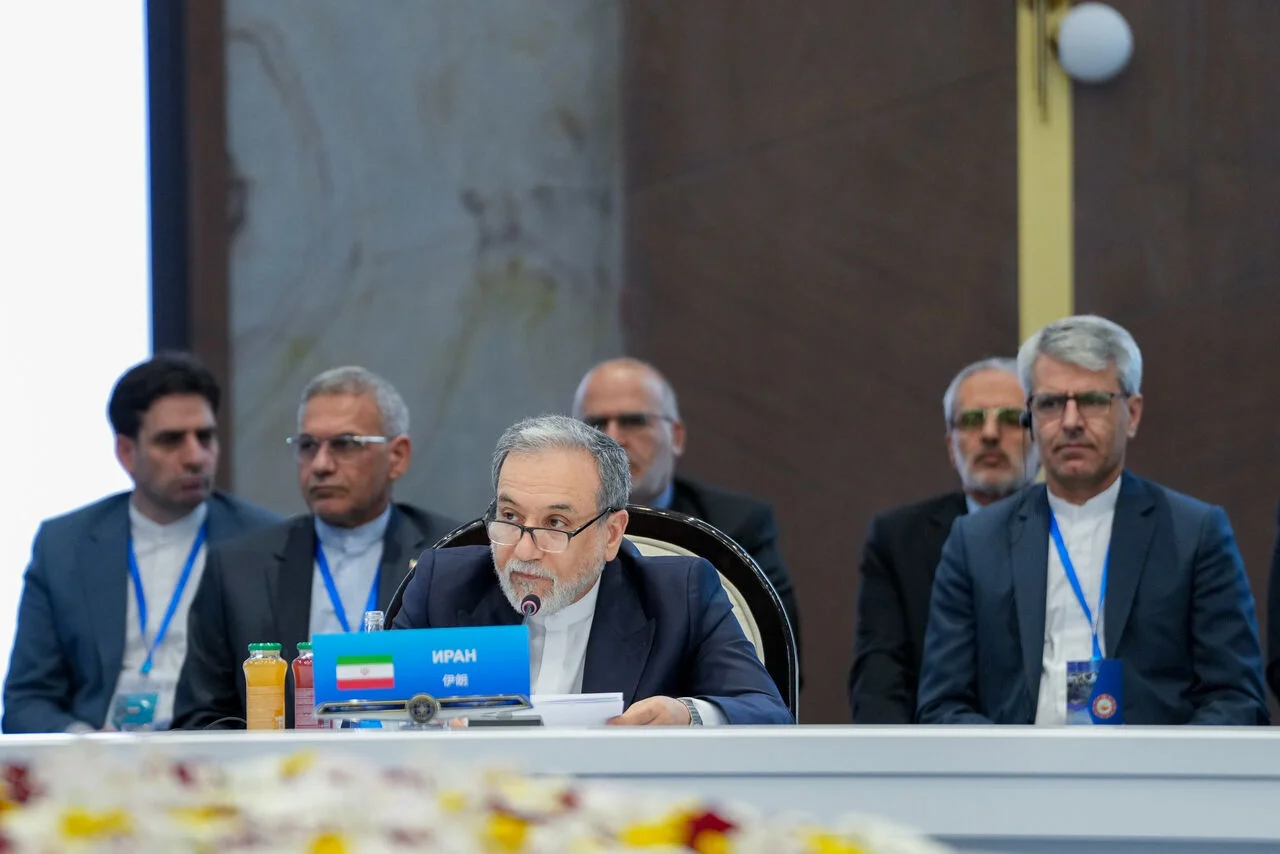
Iranian Foreign Minister Abbas Araghchi has delivered a sharp rebuke to the international community, warning that "global silence" regarding recent US and Israeli actions only serves to embolden further aggression. Araghchi’s comments come at a critical juncture as Tehran attempts to frame its regional posture as a defensive necessity against what it terms illegal military provocations. This rhetoric is aimed not just at Western powers but at the broader global stage, suggesting that a lack of diplomatic pushback against Washington will lead to a collapse of regional security norms that could eventually impact energy transit and global trade routes.
Simultaneously, Foreign Ministry spokesperson Esmaeil Baqaei has turned the spotlight on Iran's immediate neighbors. Tehran is now demanding official clarifications from the Persian Gulf Cooperation Council (PGCC) states and Jordan following claims by the US Central Command (CENTCOM) regarding their participation in operations against Iranian interests. This move signals a significant hardening of Iran's regional diplomacy, as it effectively forces its neighbors to choose between their strategic partnerships with the United States and their fragile de-escalation efforts with Tehran. For the Iranian public, this heightened tension often translates into immediate anxiety regarding the stability of the Strait of Hormuz and the potential for direct military friction.
Trump’s Financial Warfare: The Threat to Frozen Assets
The geopolitical landscape has been further complicated by a series of aggressive statements from Donald Trump, who has threatened to use frozen Iranian assets to pay for unspecified damages. Trump characterized these funds as being under total US control and suggested that they are a primary lever for "punishing" Tehran for its regional activities, including the Houthi-led attacks on shipping in the Bab el-Mandeb Strait. This stance marks a departure from traditional diplomatic freezing of assets toward a more active seizure and redistribution model, which Tehran has slammed as "incendiary" and a violation of international law.
This escalatory rhetoric creates a precarious environment for the Iranian economy. The threat of losing access to billions of dollars in frozen reserves—money that many in Tehran had hoped would eventually be released through a future deal—undermines long-term fiscal planning and puts additional psychological pressure on the domestic currency market. While the USD/IRR rate remained stable this morning at 193,500 Toman (+0.0%), the underlying fear is that such aggressive US policy shifts could eventually lead to a more severe liquidity crisis or a total decoupling from international financial channels that still maintain some level of engagement with the Islamic Republic.
Markets React: Bitcoin Slips as Trade War Expands
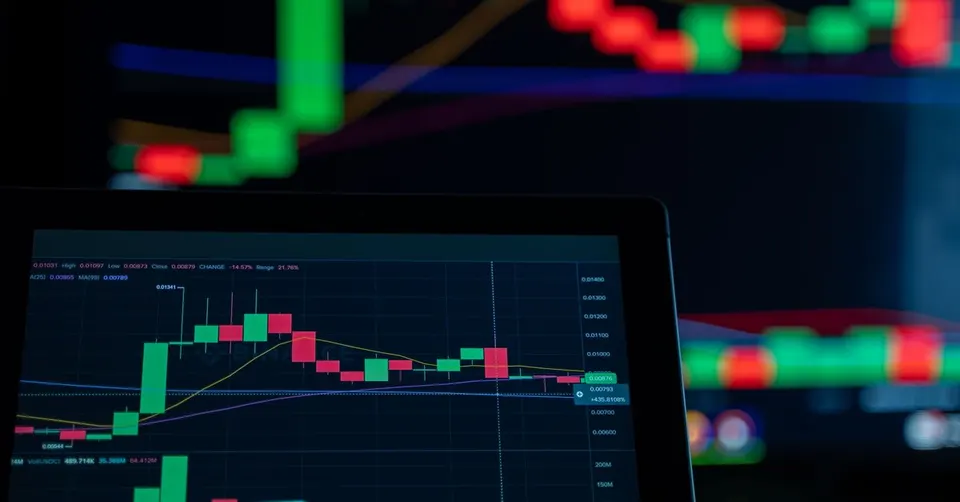
Global markets are feeling the weight of these combined tensions. Bitcoin fell to the $65,300 level earlier today, currently trading at $65,582, as investors digest the dual threats of Middle Eastern conflict and a widening US trade war. The crypto market, which had shown resilience earlier in the week, was caught in a squeeze as traders moved toward safer havens. The volatility is not limited to crypto; the Trump administration's decision to hit Australian exports with a 12.5% tariff over claims of forced labor has sent a shockwave through the Indo-Pacific region, proving that even close US allies are not immune to the "America First" trade policy.
In the domestic Iranian market, the reaction has been relatively muted but cautious. Gold 18k/gram saw a slight decrease from 18,975,945 to 18,895,147 Toman (-0.4%), reflecting a minor correction despite the high global gold ounce price of $4,050.80. The stability of the USD at 193,500 Toman suggests that the market has already priced in a significant amount of geopolitical risk, though the 24-hour volume in USDT (191,208 Toman) indicates that many local investors are still looking for ways to hedge against potential weekend volatility. As the trade war expands to include nations like Australia, the global economic environment is becoming increasingly unpredictable, making the preservation of capital a top priority for Iranian households and businesses alike.
Frequently Asked Questions
Why is Iran specifically demanding clarifications from Jordan and PGCC states?
Can Donald Trump legally seize frozen Iranian assets for damages?
Why did Bitcoin drop while the USD/IRR exchange rate remained stable?
Understanding Economic Sanctions: A Tool of Foreign Policy
Economic sanctions are punitive measures imposed by one country or a group of countries on another, typically to achieve specific foreign policy objectives without resorting to military force. These measures can range widely, including trade restrictions, such as embargoes on certain goods or services, and financial penalties like asset freezes, where funds or property belonging to individuals, entities, or even the central bank of a target country are blocked. The goal is often to pressure the target government into changing its behavior, whether related to human rights, nuclear proliferation, or regional stability.
A crucial distinction exists between primary and secondary sanctions. Primary sanctions directly target the sanctioned country, prohibiting entities within the sanctioning country from engaging in specific transactions. Secondary sanctions, however, extend this reach by threatening penalties against third-party countries or companies that continue to do business with the sanctioned entity. This extraterritorial application significantly broadens the impact of sanctions, forcing international actors to choose between maintaining ties with the sanctioned nation or risking punitive action from the sanctioning power, as hinted by Tehran's warning to its neighbors.
The effects of economic sanctions are multifaceted and often ripple beyond the intended targets. While designed to exert pressure on governments, they frequently impact the civilian population through inflation, scarcity of goods, and reduced economic opportunities, as seen with fluctuations in local currency value, gold prices, or even the adoption of cryptocurrencies like Bitcoin in sanctioned economies. For the global economy, sanctions can disrupt supply chains, alter trade routes, and create uncertainty, sometimes leading to unintended humanitarian consequences or fostering illicit markets. Understanding sanctions is key to grasping international relations and geopolitical leverage.