Trump's Tariffs Spark Global Backlash; SCO Meets Amid Regional Tensions
تعرفههای جدید ترامپ؛ واکنشهای جهانی و نشست شانگهای در بحبوحه تنشهای منطقهای
New tariffs imposed by Donald Trump are drawing sharp criticism from allies and economists, who warn of negative impacts on American consumers and global trade. Meanwhile, the Shanghai Cooperation Organization (SCO) convened, signing cooperation documents amidst heightened regional instability, particularly concerning the Strait of Hormuz.
At time of publishing
USD
194,000
Toman
Gold 18K
18.86M
Toman / gram
Bitcoin
$65,001
US Dollar
Tether
191,208
Toman
Trump's Tariffs Ignite Global Criticism
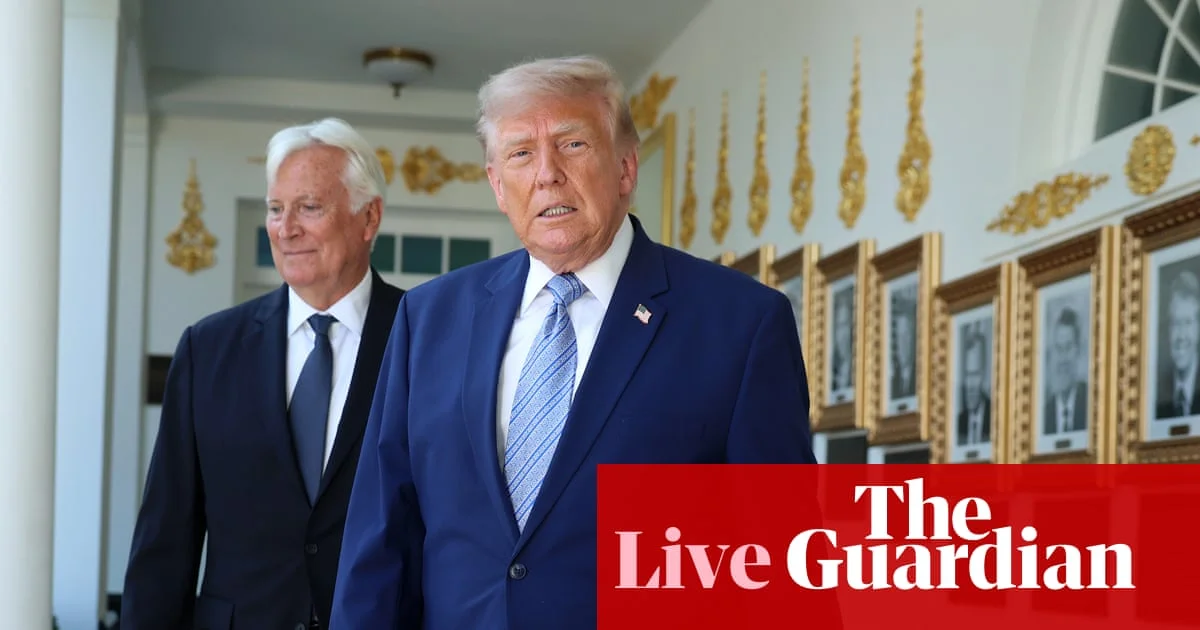
Donald Trump has once again thrown a wrench into global trade dynamics by imposing new tariffs on over 80 countries, replacing an existing 10% global duty. This move, announced late Thursday, has been met with widespread condemnation from US allies and trading partners, many of whom question the rationale behind the levies. Democrats in the US have been particularly vocal, describing the tariffs as a "sales tax that will make life harder for Americans," citing concerns that the increased costs will inevitably be passed on to consumers. Experts also suggest that these new measures place the UK at a disadvantage compared to the European Union, even though the overall tariff for British goods remains unchanged. The stated justification for these tariffs is to combat forced labor, yet some affected nations argue their labor laws are more robust than those in the United States, adding a layer of bewilderment to the economic maneuver.
The immediate implications of these tariffs are far-reaching. For American consumers, the prospect of higher prices on imported goods is a significant concern, potentially fueling inflation and dampening consumer spending. Businesses, both domestically and internationally, face increased uncertainty and the potential for disrupted supply chains, necessitating costly adjustments. The move also risks escalating trade disputes, potentially leading to retaliatory measures from other nations and further fragmenting the global economic landscape. This protectionist stance, while intended to bolster domestic industries, could paradoxically lead to a less stable and more expensive global marketplace for everyone involved.
---
SCO Foreign Ministers Convene Amid Regional Instability
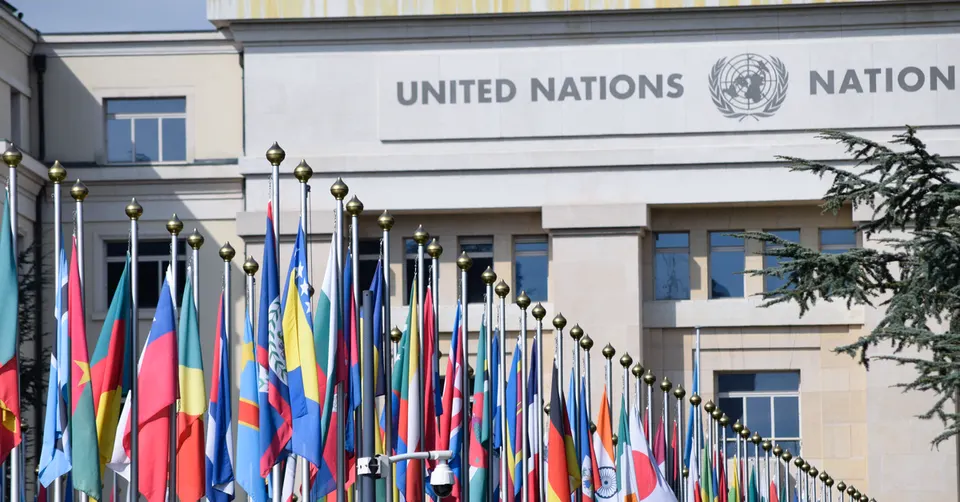
In a significant geopolitical development, the foreign ministers of the Shanghai Cooperation Organization (SCO) member states gathered in Cholpon-Ata, Kyrgyzstan, signing 25 cooperation documents. This meeting underscores the growing importance of the SCO as a platform for regional security and economic collaboration, particularly as global tensions escalate. The timing of this summit is crucial, occurring against a backdrop of heightened risks in critical global shipping lanes, such as the Strait of Hormuz, which has seen tanker traffic plummet to its lowest level since May. This reduction in transit is a direct indicator of the increasing war risk in the region, pushing crude oil prices back above $100 per barrel.
The SCO's emphasis on cooperation comes at a time when many member states are navigating complex relationships with global powers and dealing with their own internal economic pressures. The signing of these documents signals a commitment to strengthening ties and potentially creating alternative frameworks for trade and security that are less reliant on traditional Western-dominated institutions. For Iran, a key member of the SCO, these agreements could offer avenues for economic diversification and enhanced diplomatic engagement, particularly in the face of international sanctions and trade disruptions. The organization's collective efforts to foster stability and development in Central Asia and beyond are gaining prominence as a counterweight to prevailing geopolitical uncertainties.
---
Market Turmoil: Oil Surges, Crypto Holds Steady
Global oil markets are experiencing significant volatility, with Brent crude surging past $100 per barrel again, driven by escalating war risks in the Middle East and disruptions to key shipping routes. The Strait of Hormuz, a critical chokepoint for global oil supply, has seen tanker crossings drop dramatically, with only one oil tanker recorded transiting the waterway on Thursday. This sharp decline in traffic, coupled with reports of tankers using 'dark mode' to evade detection in other sensitive areas like the Bab al-Mandeb Strait, highlights the precarious state of maritime security. The WTI crude oil futures also saw a substantial weekly gain, reflecting the market's pricing in of a supply system with fewer reliable avenues for moving oil.
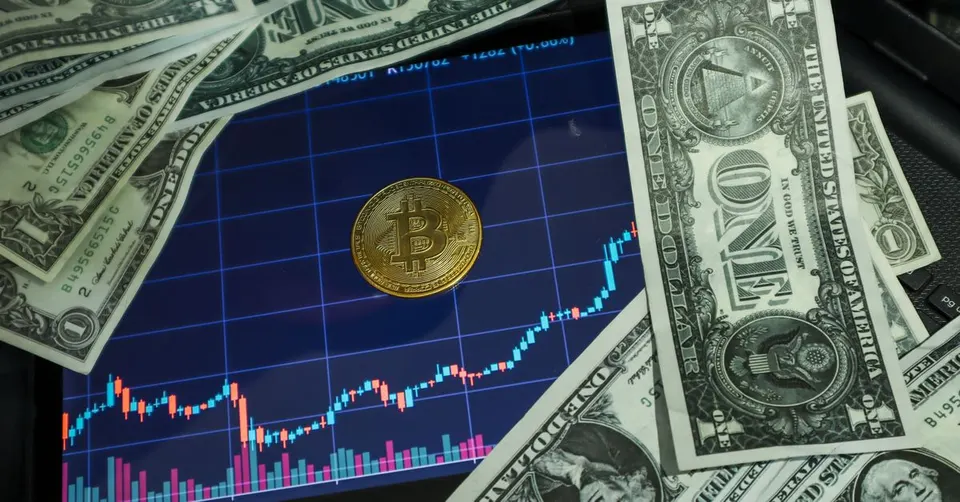
Despite the dramatic rise in oil prices and the broader geopolitical instability, the cryptocurrency market has shown remarkable resilience. Bitcoin has largely held its ground, settling near $65,000, with broader crypto markets also showing strength. This divergence is noteworthy; typically, such spikes in oil prices and geopolitical tensions could spook traditional markets and lead to outflows from riskier assets like cryptocurrencies. However, the current market sentiment suggests that investors may be differentiating between commodity-driven inflation and broader market sentiment, or perhaps seeing crypto as a potential hedge against traditional market instability. Options markets also indicate a bullish outlook for Bitcoin, with significant open interest in call options, suggesting confidence in its future price appreciation despite the turbulent global economic climate.
Frequently Asked Questions
What are the main criticisms of Trump's new tariffs?
What is the significance of the SCO foreign ministers' meeting?
Why have oil prices surged, and what is the impact on the Strait of Hormuz?
How is the cryptocurrency market reacting to global instability?
What is the stated justification for Trump's new tariffs?
Understanding Protectionism and Trade Wars
Protectionism refers to government policies that restrict international trade to help domestic industries. These policies are typically implemented with the goal of protecting local jobs, fostering national security, or nurturing nascent industries that might struggle against established foreign competitors. Common tools of protectionism include tariffs (taxes on imported goods), quotas (limits on the quantity of imported goods), and subsidies for domestic producers. While proponents argue that such measures can shield a nation's economy from external shocks and unfair competition, critics often point to their negative long-term consequences.
The most significant downside of protectionist policies is their tendency to escalate into "trade wars." When one country imposes tariffs or other trade barriers, affected nations often retaliate with their own restrictions on imports from the initiating country. This tit-for-tat exchange can quickly spiral, leading to a cycle of escalating duties and reduced trade volumes across multiple economies. The headline's mention of "Trump's Tariffs" sparking a "global backlash" is a prime example of such a scenario, where the US imposed tariffs on steel and aluminum, prompting retaliatory measures from countries like China and the European Union.
The consequences of trade wars are far-reaching. Consumers typically face higher prices for goods, as import taxes increase costs and reduce competition. Businesses, particularly those reliant on imported components or exporting to affected markets, can see their supply chains disrupted and their sales decline. Overall global trade volume tends to shrink, leading to reduced economic efficiency and potentially slowing down global economic growth. Furthermore, trade disputes can strain diplomatic relations, making international cooperation on other critical issues more challenging.