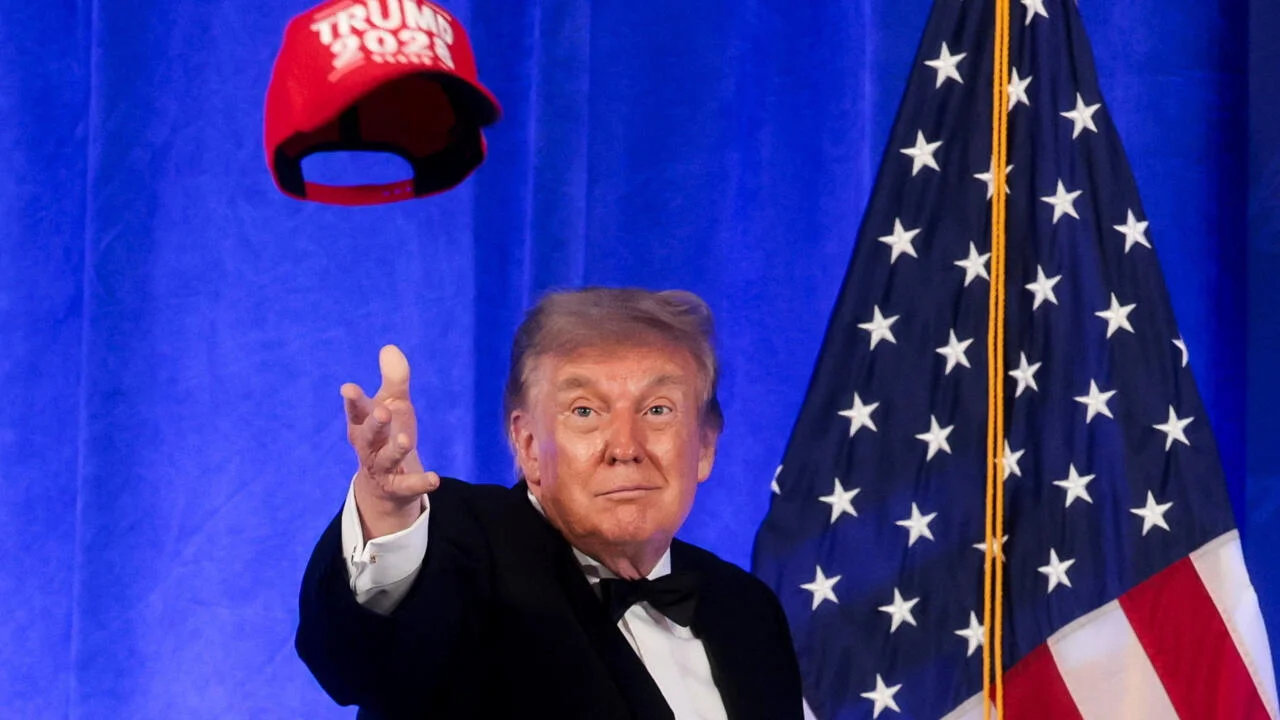
Trump Jokes of 2028 Run Amid Regional Firefights; Gold Slips in Tehran Markets
شوخی ترامپ با دور سوم ریاستجمهوری در اوج تنشهای منطقهای؛ ریزش قیمت طلا در تهران
President Trump’s defiant gala speech and jokes about a third term have stirred political waters as regional missile exchanges escalate. Meanwhile, Tehran's gold market has seen a sharp 2.2% correction despite global highs.
At time of publishing
USD
192,100
Toman
Gold 18K
18.27M
Toman / gram
Bitcoin
$63,942
US Dollar
Tether
192,000
Toman
Trump’s Defiant Return to the Press Gala
President Donald Trump delivered a characteristically polarizing speech at the rescheduled White House Correspondents' Dinner on Friday, marking his first major interaction with the press corps since an alleged assassination attempt three months ago. During the hour-long address, Trump alternated between hurling insults at his political rivals and joking about seeking a third presidential term in 2028. While the U.S. Constitution explicitly bars a third term, the quip has fueled intense debate among legal scholars and political opponents who view such rhetoric as a challenge to democratic norms.
The speech comes at a critical juncture for the administration, which is currently weighing a major escalation in its military posture toward Iran. Beyond the jokes, Trump used the platform to lash out at what he calls "fake news" while simultaneously threatening the European Union with substantial tariffs in retaliation for fines imposed on American tech giants. For global markets, this blend of domestic political confidence and aggressive trade protectionism signals a volatile second half of the year, as investors weigh the potential for renewed trade wars alongside geopolitical instability.
Regional Escalation: Missiles and Blockades
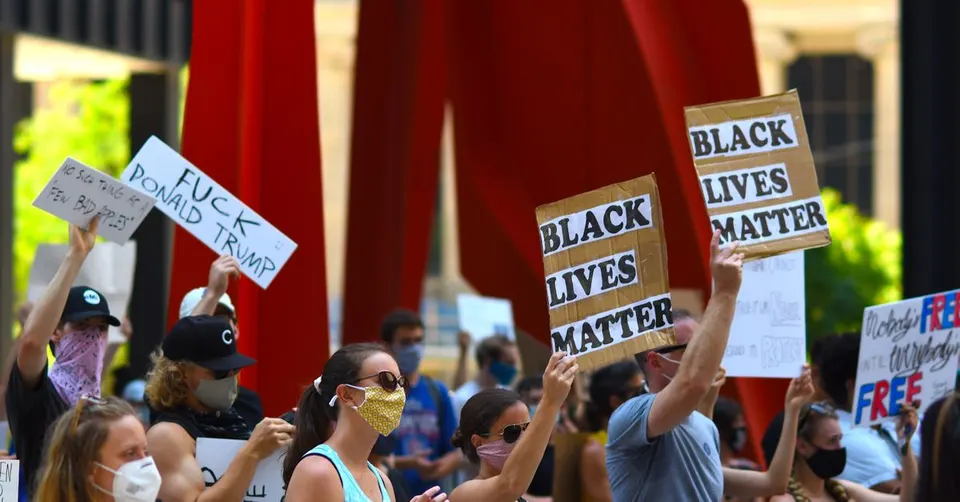
The security situation in the Middle East has taken a sharp turn for the worse as Iran-backed Houthi rebels claimed a fresh missile attack on Saudi Arabia. This development follows reports from the U.S. military that it successfully disabled a tanker attempting to evade the American blockade on Iranian ports. The tit-for-tat nature of the conflict was further emphasized by reports of U.S. strikes against targets inside Iran, which Tehran claimed were in retaliation for attacks on American bases in Bahrain, Jordan, and Kuwait.
This cycle of violence is no longer a localized skirmish; it has evolved into a sustained military campaign that has lasted nearly five months. For the average reader, this means continued pressure on global shipping lanes and heightened risk premiums in energy markets. While the Trump administration has characterized these operations as a short "excursion," the lack of an exit strategy is causing concern among regional allies and international observers who fear a full-scale regional war that could disrupt the global economy far beyond the borders of the Middle East.
Tehran Market Snapshot and Global Climate Risks
Domestically, the Iranian market is showing signs of localized volatility. Gold 18k/gram fell from 18,687,381 to 18,271,850 Toman, marking a significant -2.2% drop in just 24 hours. This correction comes even as global gold prices remain historically high at $4,053.70 per ounce. The USD/IRR exchange rate remained relatively stable, moving from 192,200 to 192,100 Toman (-0.1%), suggesting that while the currency is holding its ground, the precious metals market is reacting to internal liquidity shifts or a cooling of speculative fervor following the recent escalations.
In Europe, the economic and social landscape is being reshaped by extreme climate events. Thousands have been evacuated near Madrid as historic wildfires rage, driven by a heatwave that has seen temperatures peak near 35C in regions as far north as the UK. These environmental disasters are not just human tragedies; they represent a growing burden on national budgets and insurance markets. As the "smell of burning" reaches the Spanish capital, the economic cost of climate-driven displacement is becoming a primary concern for European policy-makers, potentially diverting funds from trade and industrial development.

Social Trends and Religious Logistics
Despite the geopolitical tension, social and religious activities continue to draw massive participation. Iranian state media reported that over 1.7 million citizens have already registered for the Arbaeen pilgrimage, a massive logistical undertaking that requires significant coordination between Tehran and Baghdad. The government is pushing these figures as a sign of social cohesion, though the economic strain of such a large-scale movement during a period of intense sanctions and military conflict remains a point of private concern for many households.
Meanwhile, in the United Kingdom, the Jalsa Salana—the country’s largest Muslim convention—is proceeding under unprecedented security. Following a rise in hate crimes and far-right threats that saw twelve arrests last month, several hundred additional security staff have been deployed to the event in Hampshire. This juxtaposition of massive religious gatherings—one in the heart of a conflict zone and the other in a Western democracy facing social unrest—highlights the persistent role of faith and identity in shaping the global social fabric during times of high political stress.
Frequently Asked Questions
Can Donald Trump actually run for a third term in 2028?
Why did gold prices drop in Iran despite high global prices?
How is the conflict in the Persian Gulf affecting shipping?
Why Gold Shines as a Safe‑Haven During Geopolitical Turmoil
Gold has long been viewed as a safe‑haven asset, meaning investors turn to it when political or economic uncertainty spikes. Unlike currencies that can be devalued by policy decisions, gold’s intrinsic value and limited supply make it a store of wealth that is less vulnerable to sudden shocks. When conflicts flare—such as the ongoing US‑Iran tensions, Houthi missile attacks in the Red Sea, or regional instability in the Middle East—investors often buy gold, driving up its price in markets worldwide, including Tehran.
The mechanism behind this behavior is the geopolitical risk premium. Traders price in an extra return for holding assets that could be affected by war, sanctions, or supply disruptions. As the perceived risk rises, the demand for gold increases, pushing its price higher. Conversely, when the geopolitical climate calms, the premium shrinks and gold may lose some of its shine, as seen in the modest slip in Tehran’s gold market after a brief lull in regional hostilities.
Gold’s appeal is also amplified in economies with currency volatility. Iran’s rial has faced chronic devaluation, making gold an attractive hedge for locals seeking to preserve purchasing power. Even when global gold prices dip, domestic factors like inflation expectations and capital controls can keep demand robust, creating a nuanced interplay between global and local market forces.
Understanding gold’s role helps investors and policymakers gauge market sentiment. A sudden surge in gold buying can signal rising anxiety about upcoming events—such as the anticipated 2028 US presidential race or large‑scale gatherings like the Arbaeen pilgrimage—allowing analysts to anticipate broader economic impacts before they fully materialize.
For anyone tracking global markets, watching gold price movements offers a real‑time barometer of geopolitical risk, reflecting everything from missile attacks to wildfires that can disrupt supply chains and investor confidence.