Araghchi Proposes SCO Development Bank as Regional Conflict and European Wildfires Escalate
پیشنهاد عراقچی برای تأسیس بانک توسعه شانگهای همزمان با تشدید درگیریهای منطقهای و آتشسوزیهای اروپا
Foreign Minister Araghchi has proposed a new SCO Development Bank to bypass Western financial systems, even as Houthi strikes on Saudi Arabia and Trump’s 'locked and loaded' rhetoric heighten regional risks. Meanwhile, Tehran's gold market sees a significant 1.9% correction despite the global ounce remaining near record highs.
At time of publishing
USD
192,100
Toman
Gold 18K
18.33M
Toman / gram
Bitcoin
$63,963
US Dollar
Tether
192,000
Toman
Iran Pushes for SCO Financial Autonomy Amid Sanctions Pressure
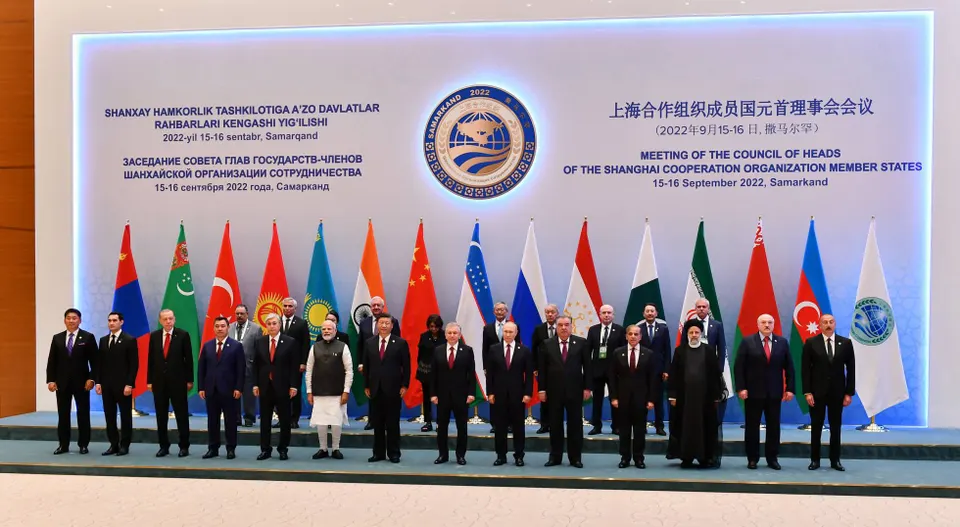
Iranian Foreign Minister Abbas Araghchi has officially proposed the establishment of a Shanghai Cooperation Organization (SCO) Development Bank, aiming to create a robust financial and monetary infrastructure that operates independently of Western-dominated systems. Speaking in Tehran, Araghchi emphasized that expanding economic cooperation and developing shared infrastructure are the primary vehicles for the SCO's future growth. He argued that such a bank would facilitate trade and investment among member states—including heavyweights like China and Russia—by providing a specialized mechanism for clearing transactions and funding large-scale regional projects.
This move is widely seen as a strategic attempt by Tehran to mitigate the impact of international sanctions and reduce its reliance on the US-led SWIFT network. By institutionalizing a development bank within the SCO framework, Iran hopes to secure more stable trade routes and financial channels with its Eastern partners. For the average Iranian reader, this signals a long-term pivot toward Eurasian integration, though the immediate impact on the Rial remains muted as the proposal moves through the complex bureaucratic layers of international diplomacy.
Regional Volatility: Houthi Strikes and the Trump Factor
The geopolitical landscape in the Middle East has grown increasingly precarious following a missile attack by Yemen's Houthi rebels on the Saudi Arabian city of Jizan. The Houthis, who have already declared a maritime blockade on Saudi shipping in the Red Sea, claim this latest strike is a response to the ongoing regional conflict. This escalation comes at a sensitive time, as U.S. President Donald Trump is reportedly meeting with top advisers to weigh a significant intensification of strikes against Iranian interests. Trump has characterized the U.S. posture as "locked and loaded," suggesting that while diplomatic channels remain technically open, the threshold for military action is narrowing.
For markets, this tension creates a persistent risk premium. While the USD/IRR exchange rate in Tehran has shown remarkable resilience, moving slightly from 192,200 to 192,100 (-0.1%), the underlying anxiety is palpable. The ongoing war, which Trump initially suggested would be a short "excursion," has now stretched into its fifth month with no clear exit strategy. This prolonged uncertainty continues to weigh on investor sentiment, keeping capital flows cautious and preventing any significant strengthening of the local currency despite high global energy prices.

Tehran Market Update: Gold Corrects as Global Ounce Remains High
Despite the heated rhetoric in the region, the domestic gold market in Tehran experienced a notable correction over the last 24 hours. Gold 18k per gram dropped from 18,687,381 to 18,329,562 Toman, representing a 1.9% decrease. Similarly, the Emami coin fell from 188,500,000 to 186,000,000 Toman (-1.3%). This downward movement in the face of rising geopolitical risks suggests a period of profit-taking by local investors or a reaction to a slight stabilization in the global gold ounce, which currently sits at a staggering $4,053.70.
In the currency market, the US Dollar remains the anchor of economic sentiment. The sell rate for USD is currently 192,100 Toman, with the buy rate at 190,963. The stability of the Greenback, even as gold fluctuates, indicates that the central bank may be actively managing liquidity to prevent a panic-driven spike. For consumers, the high cost of gold continues to make traditional savings methods difficult, even as the broader economy grapples with the inflationary pressures of the ongoing regional stalemate.

Climate Crisis: Wildfires Ravage France and Spain
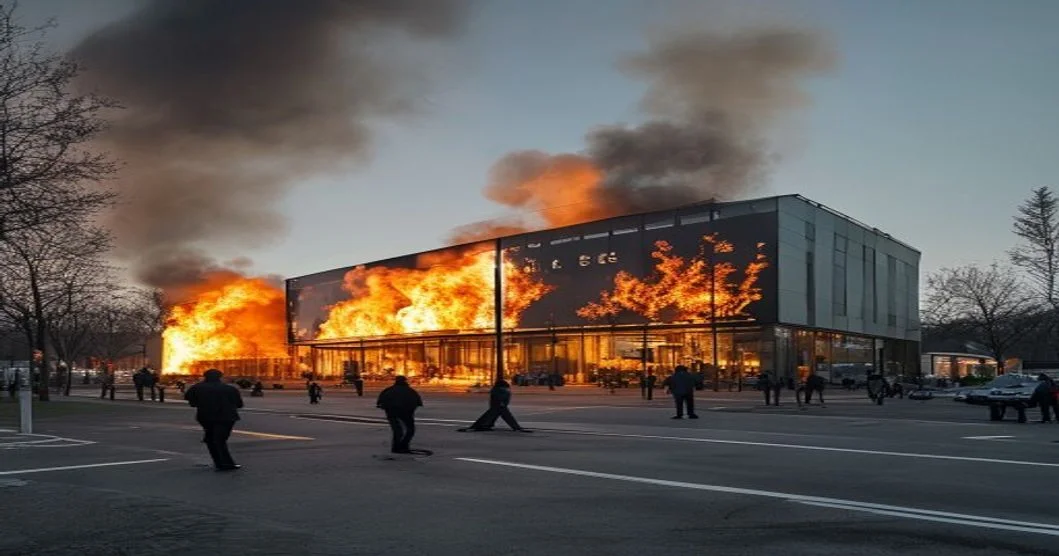
While the Middle East focuses on security, Europe is battling an environmental emergency. Firefighters in France and Spain are currently racing to contain massive wildfires that have forced the evacuation of suburbs near Bordeaux and threatened the outskirts of Madrid. In Spain, officials are warily watching wind patterns, which are expected to shift and potentially worsen the blazes by Saturday afternoon. Although a temporary drop in temperature and increased humidity provided a brief window for containment, the situation remains critical as heatwaves continue to bake the Mediterranean basin.
These wildfires are not just an environmental disaster but an economic one, disrupting tourism and destroying agricultural land during the peak summer season. The increasing frequency of these "mega-fires" across Europe underscores the growing volatility of the global climate, which indirectly impacts global food prices and insurance markets. As riverbanks in England become increasingly "off-limits" due to private ownership and drought conditions, the broader narrative of resource scarcity and environmental management is becoming a central pillar of European domestic policy.

Frequently Asked Questions
Why is Iran proposing an SCO Development Bank now?
Why did gold prices drop in Tehran despite high regional risks?
How is the US-Israeli war in Iran affecting the Rial?
Regional Development Banks: Crafting Financial Autonomy in a Multipolar World
Regional Development Banks (RDBs) are financial institutions established by groups of countries within a specific geographic region. Their primary role is to fund infrastructure projects, promote economic integration, and reduce poverty among member states. Unlike global institutions such as the World Bank or the International Monetary Fund, RDBs are characterized by their regional focus and often more tailored lending criteria, designed to address the specific development needs and priorities of their constituent members.
The proposal for an "SCO Development Bank," as mentioned in the headline, arises from a desire for greater financial autonomy. In an increasingly multipolar world, marked by geopolitical tensions and the strategic use of economic sanctions (as seen with Iran), RDBs can serve as a vital mechanism for member states to secure financing and facilitate trade outside traditional, Western-dominated financial systems. This pursuit of financial independence often involves efforts to reduce reliance on the U.S. dollar and to bypass international sanctions regimes imposed by certain global powers.
Such regional banks are instrumental in fostering intra-regional trade and investment by financing cross-border projects like railways, energy pipelines, and digital communication networks. For countries like Iran, which have faced significant international sanctions, an SCO Development Bank could offer a crucial alternative avenue for accessing development funding and settling trade transactions. This strengthens economic ties among SCO members and potentially mitigates the impact of external economic pressures.
While the establishment and effective operation of an RDB are complex, requiring substantial capital commitments, robust governance frameworks, and mutual trust among diverse member states, their emergence signifies a broader shift in the global financial landscape. They represent a move towards a more diversified and multipolar financial architecture, where regional blocs seek to assert greater control over their economic destinies and build resilience against external shocks and geopolitical leverage.