
U.S. Strikes Pause Amid Escalation Fears; Tehran Markets Cool as Pentagon Faces Casualty Cover-Up Claims
توقف موقت حملات آمریکا همزمان با نگرانی از تشدید تنش؛ عقبنشینی قیمتها در بازار تهران و اتهام پنهانکاری علیه پنتاگون
While direct U.S. strikes on Iranian soil have paused for the first time in two weeks, tensions remain at a breaking point as Donald Trump considers further escalation. Meanwhile, Tehran's markets saw a slight correction today, with the Dollar and Gold prices retreating from recent highs.
At time of publishing
USD
190,200
Toman
Gold 18K
18.34M
Toman / gram
Bitcoin
$63,968
US Dollar
Tether
190,208
Toman
The Lull Before the Storm? U.S. Pauses Strikes as Trump Eyes Escalation
For the first time in nearly two weeks, U.S. forces did not announce any overnight strikes on southern Iran, providing a fragile moment of quiet in an otherwise explosive month. However, this pause should not be mistaken for a de-escalation. Reports from Washington suggest that Donald Trump is actively considering a significant escalation of the conflict, even as Saudi-led forces continue to strike Houthi targets over the Red Sea. The situation remains a powder keg; the lack of kinetic action over the last 24 hours appears more like a tactical regrouping than a diplomatic breakthrough.
Adding fuel to the domestic fire in the United States, former Defense Secretary and CIA Director Leon Panetta has leveled serious accusations against the Pentagon. Panetta claims the Department of Defense is engaged in a "shameful" cover-up regarding the true number of U.S. military casualties in the ongoing war with Iran. No formal press briefings have been held for over two months, leading to suspicions that the administration is hiding the human cost of Trump’s "war of choice" to avoid a public backlash ahead of the critical November midterm elections. This lack of transparency is creating a vacuum of information that is being filled by speculation and growing anti-war sentiment globally.

Tehran Markets Retreat: Gold and USD See Brief Correction
Following days of intense volatility and record-breaking highs, the Iranian markets showed signs of a cooling-off period this Saturday. The USD sell rate moved from 192,200 Toman down to 190,200 Toman, marking a 1.0% decrease. This slight strengthening of the Toman is largely attributed to the temporary pause in U.S. strikes, which has provided a psychological breather for local traders who were bracing for an immediate regional conflagration. Despite the dip, the market remains on high alert, with the "buy" rate sitting closely at 189,074 Toman, suggesting that liquidity is still tight and sentiment remains fragile.

Gold and coinage followed a similar downward trajectory. The price of 18k gold per gram dropped from 18,687,381 Toman to 18,341,105 Toman, a 1.9% decline. The prestigious Emami coin saw an even sharper correction, falling from 188,500,000 Toman to 184,000,000 Toman (-2.4%). While these numbers represent a relief for some, analysts warn that the underlying geopolitical drivers have not changed. As long as the threat of a full-scale ground war or expanded naval blockade persists, these market retreats are likely temporary corrections rather than a long-term trend reversal. Investors are currently moving toward more liquid assets, waiting for the next signal from the White House or the Iranian military command.
Trump’s Rhetoric and the Crypto Slump: A Weekend of Uncertainty
In a move that has baffled both political commentators and sports fans, Donald Trump used a recent press conference to take a bizarre swipe at NBA legend LeBron James, suggesting the athlete "might be a racist." While seemingly unrelated to the geopolitical crisis, this rhetoric highlights the increasingly erratic nature of the U.S. executive branch during a time of war. For international observers and market participants, such outbursts contribute to a sense of unpredictability that is currently weighing on global risk appetite. When the leader of the world’s largest economy focuses on personal grievances during a military standoff, it signals a domestic political landscape that is deeply fractured and potentially unstable.
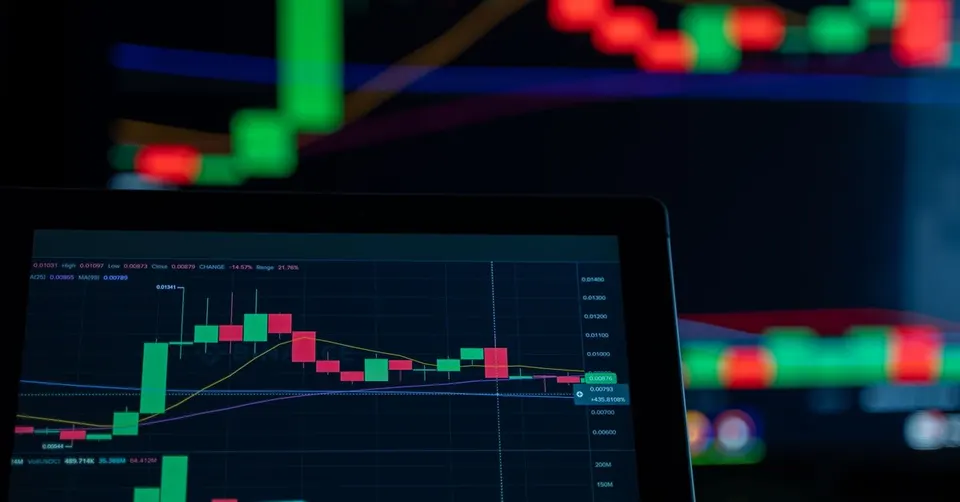
This atmosphere of uncertainty is clearly reflected in the cryptocurrency markets. Bitcoin (BTC) has slipped below the critical $64,000 support level, currently trading at $63,968. The decline is being driven by weakening stablecoin inflows, which usually serve as the primary fuel for crypto rallies. As geopolitical tensions simmer without a clear resolution, investors are de-risking and moving toward the safety of the U.S. Dollar (even with its own inflationary pressures) or physical gold. For Iranian crypto holders, the dual pressure of a volatile Toman and a dipping Bitcoin price has made for a challenging trading environment, as the USDT rate in Tehran remains pegged high at 190,208 Toman, reflecting the persistent local demand for digital dollars as a hedge against regional instability.
Frequently Asked Questions
Why did the price of the Dollar and Gold drop in Tehran today?
What are the allegations against the Pentagon regarding casualties?
Is the current Bitcoin dip related to the Iran conflict?
Geopolitical Risk and its Impact on Financial Markets
Geopolitical risk refers to the potential for political events, conflicts, or instability in one region to have widespread economic and financial consequences globally. When tensions escalate, such as during military confrontations or significant diplomatic disputes, markets react swiftly to the increased uncertainty. Investors become wary, fearing disruptions to trade, supply chains, and overall economic stability, leading to shifts in asset allocation and pricing. This immediate response is a crucial indicator of how interconnected global finance is with international relations.
One of the most visible impacts is on currency markets. In times of heightened geopolitical risk, currencies of countries directly involved or perceived to be vulnerable often depreciate sharply against more stable, globally recognized currencies like the U.S. dollar. This depreciation reflects a loss of confidence in the local economy and a flight of capital as investors seek safer havens for their wealth. Conversely, the U.S. dollar often strengthens during global crises, acting as a "safe-haven currency" due to the perceived stability of the U.S. economy and its financial system.
Another key phenomenon is the movement of safe-haven assets. Gold, in particular, has historically served as a traditional store of value during periods of economic and political turmoil. As uncertainty rises, demand for gold typically increases, driving up its price. Investors flock to gold, perceiving it as a tangible asset less susceptible to the volatility of stock markets or the depreciation of fiat currencies. Other commodities, like oil, can also be significantly affected, with prices surging if a conflict threatens major production or transit routes, leading to fears of supply disruption.
Ultimately, geopolitical risk introduces significant volatility and unpredictability into financial markets. It can trigger stock market sell-offs, alter investment flows, and even influence the monetary policies of central banks. Understanding this dynamic is essential for anyone tracking global events, as political developments frequently translate directly into economic ripples that affect everything from national budgets to the price of everyday goods.