
Europe Ablaze: 340,000 Evacuated as Wildfires Ravage France and Spain; BitMart Exchange Shuts Down
اروپا در آتش: تخلیه ۳۴۰ هزار نفر در فرانسه و اسپانیا؛ سقوط ناگهانی صرافی بیتمارت
Record-breaking wildfires have triggered the largest peacetime evacuations in French history, while the crypto market reels from BitMart's sudden collapse and a deadly Ukrainian-Iranian escalation in the Caspian Sea.
At time of publishing
USD
188,800
Toman
Gold 18K
17.87M
Toman / gram
Bitcoin
$64,308
US Dollar
Tether
188,510
Toman
Historic Wildfires Force Mass Exodus Across Southern Europe
Southern Europe is currently grappling with an environmental catastrophe of unprecedented proportions. More than 340,000 people have been forced to flee their homes and holiday accommodations as uncontrollable wildfires sweep through vast regions of France and Spain. In Spain, the government has taken the extraordinary step of declaring a national emergency for the first time due to a wildfire, specifically targeting the rapidly advancing blazes near Madrid and Toledo. Firefighters on the ground describe a "difficult night" where the primary objective was preventing multiple fire fronts from merging into a single, unstoppable wall of flame.

The situation in France is equally dire, with the Interior Ministry reporting what is likely the largest peacetime civilian evacuation in the country’s history. Firefighters are battling unique and terrifying phenomena described as "fire whirlwinds"—vortices of flame and ash that make traditional containment nearly impossible. Beyond the immediate human cost and the displacement of over 250,000 people in France alone, the economic impact on the region's vital tourism sector is expected to be staggering. As major transport routes are severed and entire resorts are emptied, the long-term ecological and financial recovery for these Mediterranean hubs remains deeply uncertain.
Crypto Shock: BitMart Collapses After Nine Years of Operation
The cryptocurrency sector was hit by a major shock this hour as BitMart, a mainstay exchange for the past nine years, announced it would be winding down all operations. The news triggered an immediate and violent sell-off of its native BMX token, which plummeted by over 58% within minutes of the announcement. While the exchange has provided a one-month window for users to close their active trades and a six-month period for withdrawals, the lack of a specific reason for the closure has sparked widespread panic and speculation regarding potential liquidity issues or regulatory pressure.
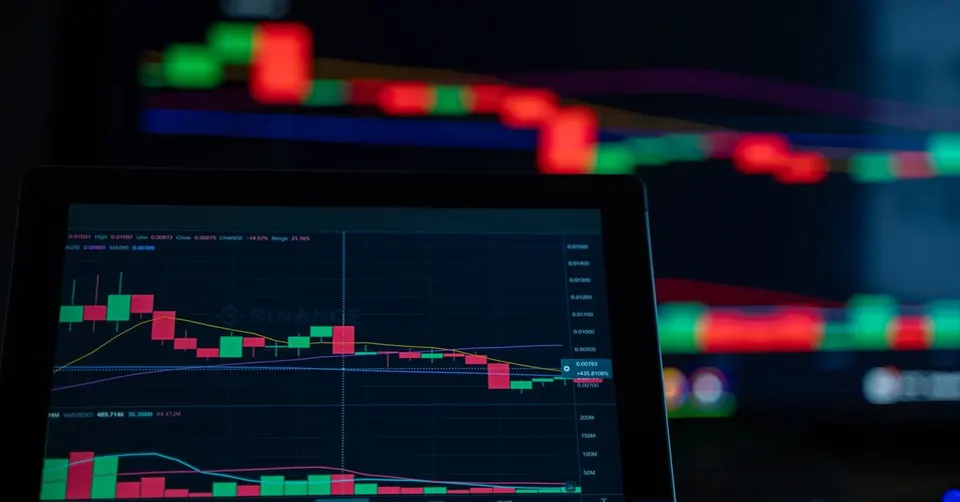
This collapse serves as a stark reminder of the inherent risks remaining in the centralized exchange (CEX) landscape, even for established players. Users had already begun reporting withdrawal delays in the days leading up to this announcement, which in hindsight served as a classic red flag. For the broader market, BitMart’s exit reduces global liquidity and heightens the scrutiny on other mid-tier exchanges. Investors are once again being reminded of the "not your keys, not your coins" mantra as they rush to secure assets before the January final shutdown deadline.
Caspian Conflict: Tehran Summons Kyiv Over Ship Attack
Geopolitical tensions have taken a dangerous turn in the Caspian Sea, a region traditionally insulated from the direct theater of the Ukraine war. The Iranian government has officially summoned the Ukrainian diplomat in Tehran following a deadly attack on an Iranian commercial vessel. According to reports, the attack resulted in the death of at least one sailor and left another wounded. While Ukraine has been targeting Russian logistics and assets globally, this direct strike on an Iranian ship in the Caspian marks a significant escalation in the scope of the conflict, as Tehran continues to be accused by the West of providing military hardware to Moscow.

Tehran has condemned the strike as a "criminal act," but the incident highlights the increasing vulnerability of Iranian trade routes that were previously considered safe. For the international community, this development suggests that the Caspian Sea is no longer a neutral sanctuary for commercial shipping. The move could prompt a heightened military presence in the region, potentially disrupting energy and goods transit. As the US military also reports disabling tankers accused of breaking blockades elsewhere, the maritime security environment for Iranian-linked vessels is becoming increasingly precarious on multiple fronts.
Market Update: Gold and Coin Prices Retreat in Tehran
In the local Iranian markets, the start of the week has been characterized by a notable retreat in the price of gold and benchmark coins. The price of an Emami coin dropped significantly from 184,500,000 Toman to 180,000,000 Toman, representing a 2.4% decrease within the last 24 hours. Similarly, 18-karat gold saw its value per gram fall from 18,137,956 Toman to 17,874,786 Toman (-1.5%). This local cooling occurs despite the global gold ounce price holding at a historically high level of $4,053.70, suggesting that domestic factors or a temporary shift in liquidity are driving the current downward trend.

Meanwhile, the currency market remains relatively stable but slightly bearish. The USD/IRR exchange rate moved from 188,900 to 188,800, a marginal decline of 0.1%. In the crypto space, Bitcoin (BTC) continues to hover around the $64,308 mark, with technical analysts observing a compressing "bull flag" pattern on hourly charts. However, weakening stablecoin inflows suggest that the momentum for a breakout may be stalling. For Iranian investors, the divergence between falling local gold prices and a steady global market presents a complex decision-making environment for the coming days.
Watch
'Firefighters are hoping that more of those fires don't join up': Spain steps up wildfire response
FRANCE 24 English
Frequently Asked Questions
Why is BitMart shutting down after nine years?
How long do I have to withdraw funds from BitMart?
What caused the sudden drop in Iranian gold prices today?
Is the Caspian Sea safe for commercial shipping now?
Understanding the Risks of Centralized Cryptocurrency Exchanges and Exchange Tokens
Centralized cryptocurrency exchanges (CEXs) are platforms like BitMart that allow users to buy, sell, and trade digital assets. Much like traditional stockbrokers, CEXs act as intermediaries, holding users' funds in custody and facilitating transactions. Their appeal lies in their user-friendliness, liquidity, and often, lower transaction fees compared to decentralized alternatives. However, this convenience comes with significant inherent risks. Unlike self-custody where users directly control their private keys, on a CEX, you effectively entrust your assets to the exchange, making them a "counterparty."
This counterparty relationship introduces several vulnerabilities. Firstly, CEXs are prime targets for cyberattacks; a successful hack can lead to the loss of user funds, as seen in numerous historical incidents. Secondly, regulatory uncertainty or direct government intervention can force an exchange to shut down or restrict withdrawals, freezing user assets. Thirdly, operational failures, mismanagement, or even outright fraud by the exchange itself pose a risk. When an exchange like BitMart shuts down, users can face immense difficulty, or even total inability, to recover their deposited cryptocurrencies.
Furthermore, many centralized exchanges issue their own "exchange tokens," such as BitMart's BMX token. These tokens often provide benefits within the exchange's ecosystem, like reduced trading fees or participation in governance. However, their value is intrinsically tied to the health, reputation, and continued operation of the issuing exchange. If the underlying exchange faces severe issues, regulatory action, or a complete shutdown, the value of its associated exchange token can plummet dramatically, often to near zero, as its utility and the entity backing it cease to exist. Understanding these risks is crucial for anyone engaging with centralized crypto platforms.
Topics
Related Articles