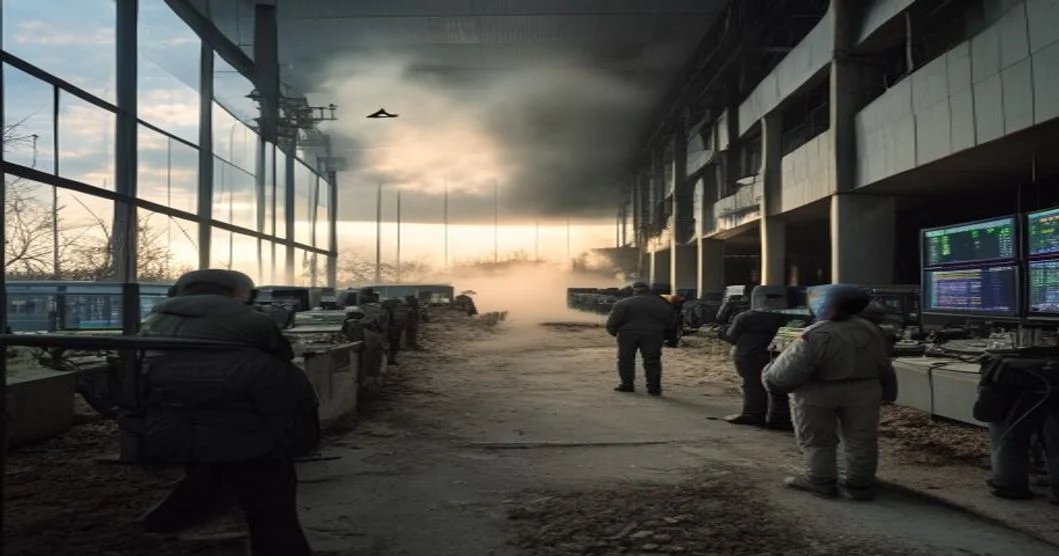
War Pause Driven by Missile Shortages Stabilizes Rial; Trump Pushes Saudi Nuclear Deal Amid European Wildfires
توقف درگیریها به دلیل کمبود موشک در آمریکا؛ آرامش نسبی در بازار ارز و پیشروی آتش در اروپا
A strategic pause in U.S.-Iran hostilities, reportedly caused by a shortage of American interceptor missiles, has led to a slight recovery for the Iranian Rial. Meanwhile, Donald Trump intensifies efforts for a Saudi nuclear deal as record wildfires displace hundreds of thousands in France and Spain.
At time of publishing
USD
187,300
Toman
Gold 18K
17.97M
Toman / gram
Bitcoin
$64,476
US Dollar
Tether
187,327
Toman
The Logistics of Peace: Why the U.S.-Iran War Paused
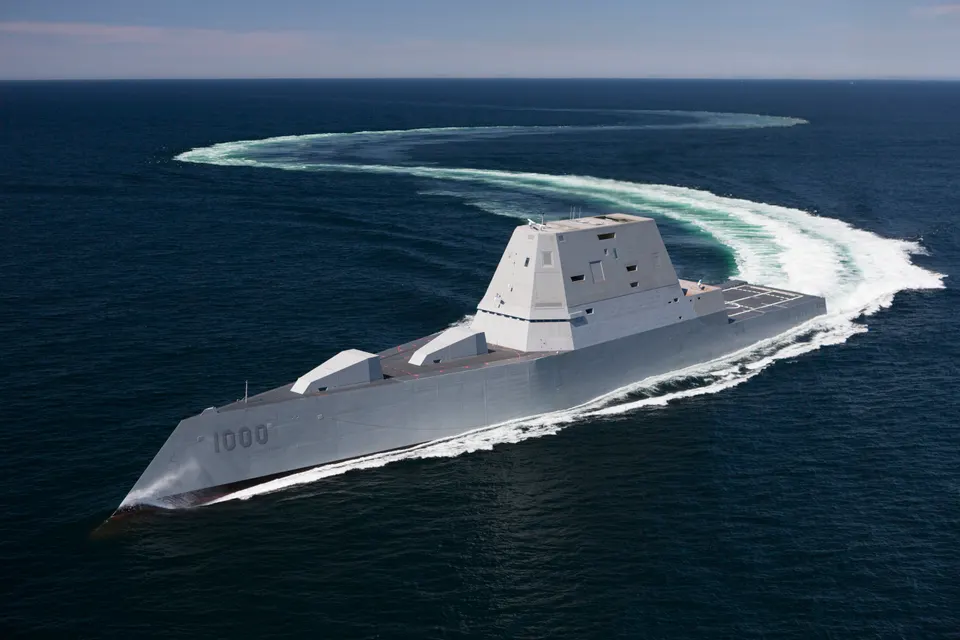
For the second consecutive day, the direct military confrontation between the United States and Iran has seen a significant de-escalation. According to American officials, President Donald Trump has temporarily halted plans for further strikes, not necessarily out of a diplomatic breakthrough, but due to a pragmatically dire situation: the dwindling stockpiles of interceptor missiles. The intense pace of recent aerial engagements has exhausted the immediate supply of high-end munitions required to defend regional bases and naval assets, forcing Washington to reconsider the sustainability of a prolonged kinetic conflict. This pause provides a rare window of operational silence, though officials warn it remains a tactical necessity rather than a permanent ceasefire.
For the Iranian market, this military breather has translated into immediate relief. The USD/IRR exchange rate, which had been under immense pressure, moved from 188,900 down to 187,300, marking a 0.8% appreciation for the Rial. Similarly, gold prices reflected the cooling of immediate war fears; 18k gold per gram dropped from 18,137,956 to 17,971,743 (-0.9%), while the benchmark Emami coin saw a more pronounced decline of 1.6%, falling from 184,500,000 to 181,500,000 Toman. Investors are currently recalibrating their portfolios, moving away from panic-buying of hard currency as the immediate threat of a full-scale invasion or total infrastructure destruction momentarily recedes.
Nuclear Ambitions and Family Interests
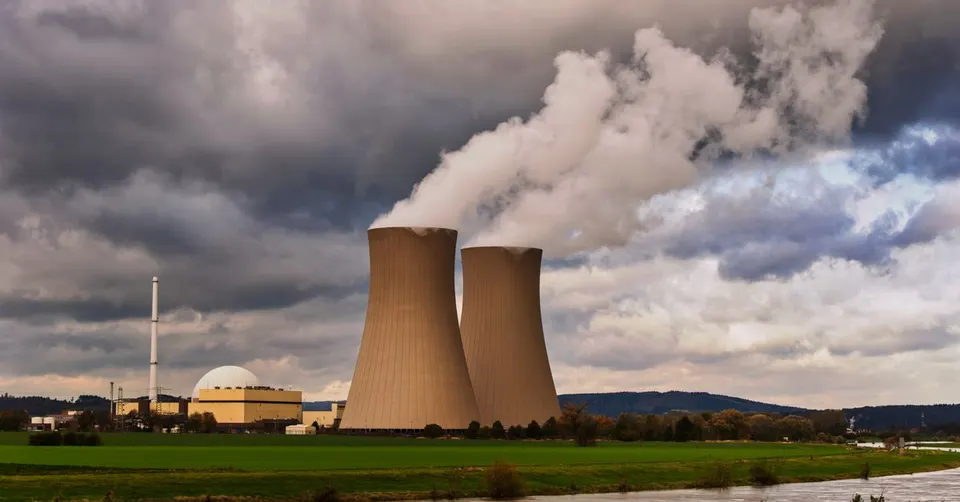
While the guns have quieted in the Persian Gulf, a new geopolitical front is opening through civilian energy policy. President Trump is reportedly intensifying his push for a major nuclear energy deal with Saudi Arabia. While the administration frames this as a necessary step to modernize the Middle Eastern energy grid and counter Chinese influence, critics and investigative reports highlight a complex web of overlapping business interests. It appears that several of Trump’s family members and close political supporters are positioned to benefit significantly from the supply chains and consulting contracts associated with exporting American nuclear technology to the Kingdom. This move could fundamentally alter the regional power balance, potentially ending Iran’s long-standing status as the primary holder of nuclear infrastructure in the Middle East.
This development is particularly sensitive for Tehran, which has historically used its nuclear program as its ultimate leverage in international negotiations. If Riyadh successfully secures a U.S.-backed nuclear framework, Iran’s "nuclear card" loses its uniqueness and much of its strategic value. Furthermore, the involvement of private family interests in such a high-stakes geopolitical deal suggests that U.S. foreign policy in the region is becoming increasingly transactional. For the Iranian leadership, this signals that future negotiations might not just be about security and sanctions, but about competing with a multi-billion dollar business alliance between Washington and Riyadh that seeks to dominate the regional energy market for decades to come.
Diplomatic Defiance and a Cultural Farewell
On the diplomatic front, the United Kingdom has signaled that it will not be swayed by recent Iranian threats. Defense Secretary Wes Streeting explicitly stated that Iran’s "sabre-rattling" should not and would not intimidate Britain or its allies. This comes as the Royal Navy continues to coordinate with U.S. forces to maintain maritime security in the region, despite the current pause in active strikes. The British stance remains firm: any escalation against UK assets or commercial shipping will be met with a coordinated response. This rhetoric underscores a growing European consensus that is increasingly aligned with the more hawkish elements of the U.S. administration, leaving Tehran with fewer diplomatic escape hatches in the West.
Amidst these high-level tensions, the Iranian public gathered in Tehran to mourn a cultural icon. The funeral procession for Akbar Abdi, the legendary actor who passed away at the age of 66, was held today in front of Vahdat Hall. Abdi was a rare figure who transcended political divides, known for his versatility and his ability to represent the struggles of the common Iranian through comedy and drama. His burial in the Artists’ Section of Behesht-e Zahra Cemetery serves as a somber reminder of the domestic life that continues in Iran, often overshadowed by the relentless cycle of international sanctions and military threats. For many, Abdi’s death marks the end of an era of Iranian cinema that felt more connected to the people than to the state.

Europe Ablaze: A Continent in Crisis
While the Middle East grapples with man-made conflict, Western Europe is facing a catastrophic natural disaster. Massive wildfires are currently ravaging southwest France and parts of Spain, forcing over 300,000 people to flee their homes in what is being described as one of the largest peacetime evacuations in European history. In the Gironde region alone, more than 55,000 people were moved overnight as shifting winds pushed flames toward the historic city of Bordeaux. Spanish Prime Minister Pedro Sanchez has warned that "difficult hours lie ahead," as a relentless heatwave continues to evaporate soil moisture and turn forests into tinderboxes. The scale of the destruction is unprecedented, with scientists pointing to climate breakdown as the primary driver of these extreme weather events.
For global markets, the European crisis adds another layer of complexity to an already volatile summer. The displacement of hundreds of thousands of people and the destruction of agricultural land—including prime wine-producing regions—will likely have long-term economic consequences for the Eurozone. Furthermore, the diversion of government resources toward disaster management may limit the ability of these nations to provide financial or military support to other global hotspots. As the smoke from European forests drifts across the continent, the reality of climate-driven instability is becoming just as tangible for global investors as the threat of regional war in the Middle East.
Frequently Asked Questions
Why did the U.S. pause its strikes against Iran?
How did the Iranian market react to the two-day pause in hostilities?
What is the significance of Trump's proposed nuclear deal with Saudi Arabia?
What is the scale of the current wildfire crisis in Europe?
The Impact of Geopolitical Stability on Currency Exchange Rates
The recent news highlighting a "war pause" and its subsequent stabilization of the Iranian Rial offers a clear illustration of a fundamental economic principle: the profound impact of geopolitical stability on a nation's currency exchange rate. When a country faces the threat or reality of conflict, its currency typically weakens significantly against major global currencies. Conversely, a reduction in tensions or a cessation of hostilities often leads to a strengthening or stabilization of the local currency.
This phenomenon occurs for several interconnected reasons. Geopolitical instability erodes investor confidence, prompting both foreign and domestic capital to flee the country in search of safer havens. This "capital flight" increases the demand for foreign currencies (like the US Dollar) and decreases the demand for the local currency, driving down its value. Furthermore, conflict disrupts trade routes, supply chains, and production, negatively impacting exports and making imports more expensive, which further pressures the exchange rate. The perceived risk of doing business in a conflict zone also deters new investment.
A "war pause" or de-escalation can reverse these trends, even if temporarily. The reduced immediate risk can encourage some capital to return, slow down capital flight, and restore a degree of confidence among traders and investors. This shift in sentiment and capital flows can increase demand for the local currency, helping it to strengthen or, at the very least, stabilize after a period of depreciation. For ordinary citizens, a stable currency means more predictable prices for imported goods, greater purchasing power, and a reduction in economic uncertainty.
Understanding this dynamic is crucial for interpreting global economic news. A nation's currency is often a barometer of its overall economic health and, critically, the political and security environment in which it operates. Events that alter the perception of risk, whether positive or negative, will almost invariably be reflected in the daily fluctuations of its exchange rate.
Topics
Related Articles