Saudi Arabia Joins US Strikes on Iran-Backed Militias; Gold Surges 3.6% in Tehran
مشارکت عربستان در حملات علیه نیروهای نیابتی؛ جهش ۳.۶ درصدی قیمت طلا در بازار تهران
In a major regional escalation, Saudi Arabia has officially joined US forces in striking Iran-backed militias following attacks on energy infrastructure. The news has sent Tehran's gold market into a frenzy, with prices jumping over 3.6% in a single morning.
At time of publishing
USD
191,000
Toman
Gold 18K
19.00M
Toman / gram
Bitcoin
$64,434
US Dollar
Tether
193,458
Toman
Saudi Arabia Joins US Forces in Direct Strikes on Militias
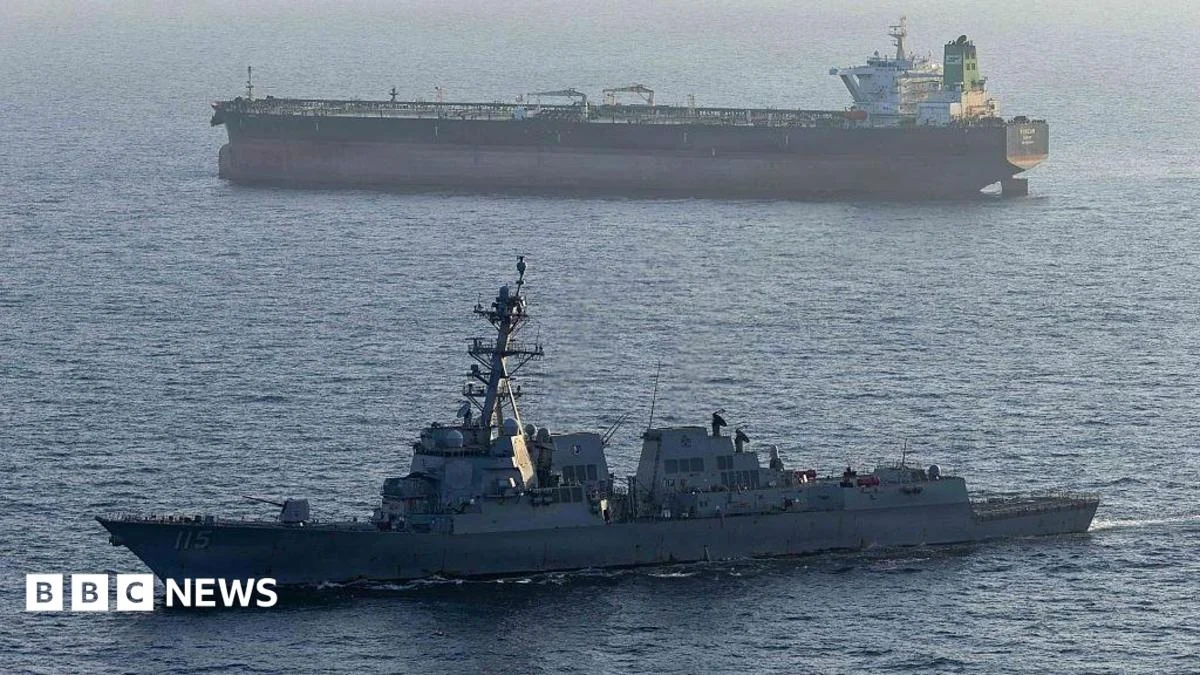
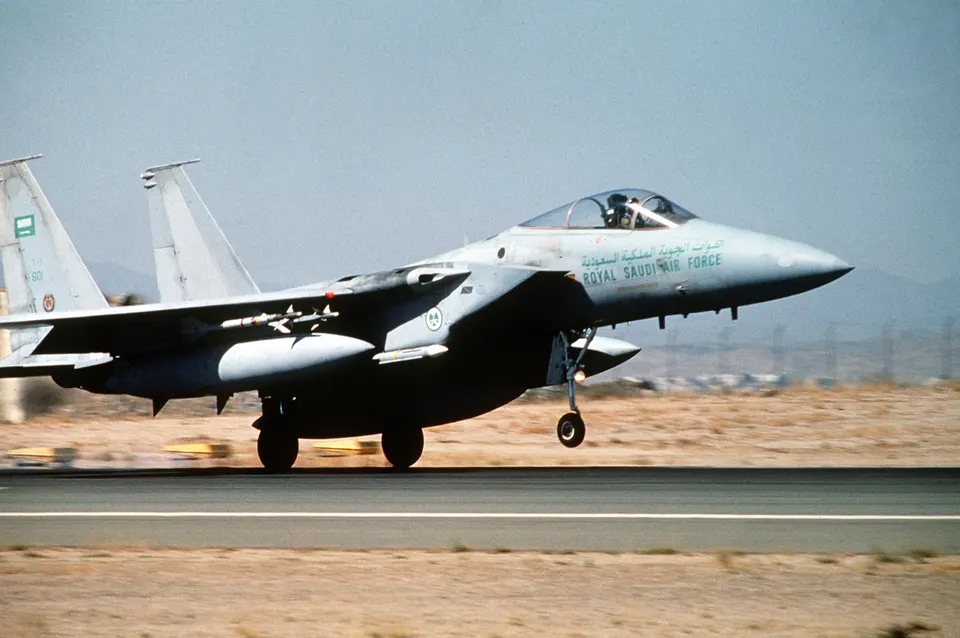
In a dramatic shift in Middle Eastern geopolitics, US Central Command has confirmed that Saudi Arabia participated in a series of coordinated air and missile strikes against Iran-backed militia groups. The operation, which took place in the early hours of Wednesday, targets assets used to launch recent attacks against Saudi energy infrastructure and US military bases in the region. This marks a significant departure from Riyadh's recent policy of de-escalation with Tehran, suggesting that the threat to global energy security has reached a breaking point that necessitates a direct military response alongside its Western allies.
The involvement of Saudi forces is particularly noteworthy given the delicate diplomatic balance the Kingdom has attempted to maintain since the China-brokered normalization deal with Iran. By taking a front-line role in these strikes, Riyadh is signaling that its patience with regional proxy activity has exhausted, especially when its own oil facilities are in the crosshairs. This escalation threatens to unravel years of diplomatic progress and could lead to a wider maritime or aerial conflict that directly involves the Iranian Revolutionary Guard Corps (IRGC), which remains the primary patron of these targeted groups.
Tehran Gold Market Surges as War Fears Grip Investors
The immediate impact of the military escalation was felt in the domestic markets of Tehran, where gold prices witnessed a sharp spike. Gold 18k per gram rose from 18,336,488 to 18,999,030 Toman, marking a substantial 3.6% increase within just 24 hours. Similarly, the Emami gold coin jumped from 184,000,000 to 188,000,000 Toman (+2.2%). This surge reflects a classic flight to safety by Iranian citizens who are increasingly wary of the potential for a direct confrontation between the Islamic Republic and a coalition of regional and global powers.
Interestingly, the currency market remained relatively stagnant despite the gold rally. The USD sell rate moved slightly from 191,200 to 191,000 Toman, a negligible decrease of 0.1%. This divergence suggests that while the Central Bank of Iran may be aggressively intervening to stabilize the Rial, it cannot control the psychological demand for physical gold. For the average Iranian, gold remains the ultimate hedge against geopolitical instability and the recurring threat of expanded sanctions that often follow such military flare-ups.

Diplomatic Backchannels: Araghchi Consults EU Amid Crisis
As the military situation intensifies, Iran’s Foreign Minister Abbas Araghchi has initiated an urgent telephone conversation with the European Union’s foreign policy chief. According to reports from Iranian state media, the call focused on reviewing regional developments and discussing ways to reduce the mounting tensions. While the official narrative emphasizes a desire for peace, the timing of the call suggests that Tehran is attempting to use the EU as a buffer to prevent further strikes or to gauge the extent of Western resolve following the Saudi-US joint operation.
This diplomatic maneuvering occurs against a backdrop of massive internal mobilization, with over 2.3 million Iranians already registered for the mandatory Arbaeen pilgrimage. The government is currently managing a logistical challenge of enormous proportions while simultaneously navigating a high-stakes security crisis. The contrast is stark: while millions prepare for a religious journey, the nation's leadership is locked in a military standoff that could jeopardize the very stability required for such mass gatherings. The EU's role as a mediator remains tenuous, as Brussels faces pressure to align more closely with the US-Saudi security architecture.
Japan Earthquake: Death Toll Rises to 13 in Kyushu
Beyond the Middle East, a humanitarian crisis is unfolding in southern Japan following a powerful magnitude 7.1 earthquake that struck the Kumamoto region. Emergency teams are currently engaged in a "race against time" to locate survivors trapped under the rubble of collapsed buildings and landslides. The death toll has officially risen to at least 13 people, with dozens more reported missing. The devastation has severed major transportation links and damaged industrial facilities, raising concerns about potential disruptions to global tech supply chains that rely on Japanese precision manufacturing.

Prime Minister's office has deployed thousands of self-defense force personnel to assist in the rescue efforts, but aftershocks and the threat of further landslides are hampering the operation. For the global community, the disaster serves as a reminder of the fragility of logistical hubs in the Pacific. While the immediate focus is on the human cost, markets are also monitoring the impact on Japanese semiconductor and electronics exports, which could see price volatility if the recovery effort extends into weeks or months.
Frequently Asked Questions
Why did Saudi Arabia join the US strikes instead of remaining neutral?
Why is the price of gold rising in Iran while the USD remains stable?
What are the implications of the Japan earthquake for global markets?
Gold as a Safe-Haven Asset
The recent surge in gold prices in Tehran, following reports of escalating tensions and military strikes in the Middle East, vividly illustrates gold's enduring role as a "safe-haven asset." In times of geopolitical uncertainty, economic instability, or market volatility, investors often flock to assets perceived as reliable stores of value, and gold has historically been the quintessential choice. This phenomenon reflects a fundamental shift in investor sentiment from risk-taking to capital preservation.
A safe-haven asset is an investment that is expected to retain or increase in value during periods of market turbulence. Gold fits this description due to several unique characteristics. Unlike fiat currencies, its value is not tied to a specific government or central bank, making it immune to political interference or the risk of devaluation through excessive money printing. Its physical nature means it carries no counterparty risk, a concern that can plague other financial instruments during crises.
When headlines signal conflict or instability, such as the reported strikes in the Middle East, investors typically become risk-averse. They tend to sell off more volatile assets like stocks or bonds from affected regions and reallocate their capital into assets considered less susceptible to economic shocks. This increased demand for gold, driven by fear and the desire for security, directly pushes up its market price, as observed in Tehran.
While other factors like interest rates, inflation expectations, and currency strength also influence gold prices, its safe-haven characteristic often dominates during acute crises. For a curious reader, understanding this dynamic is key to interpreting how global events, even those seemingly distant, can directly impact local economies and investment choices, making gold a barometer of global anxiety.
Topics
Related Articles