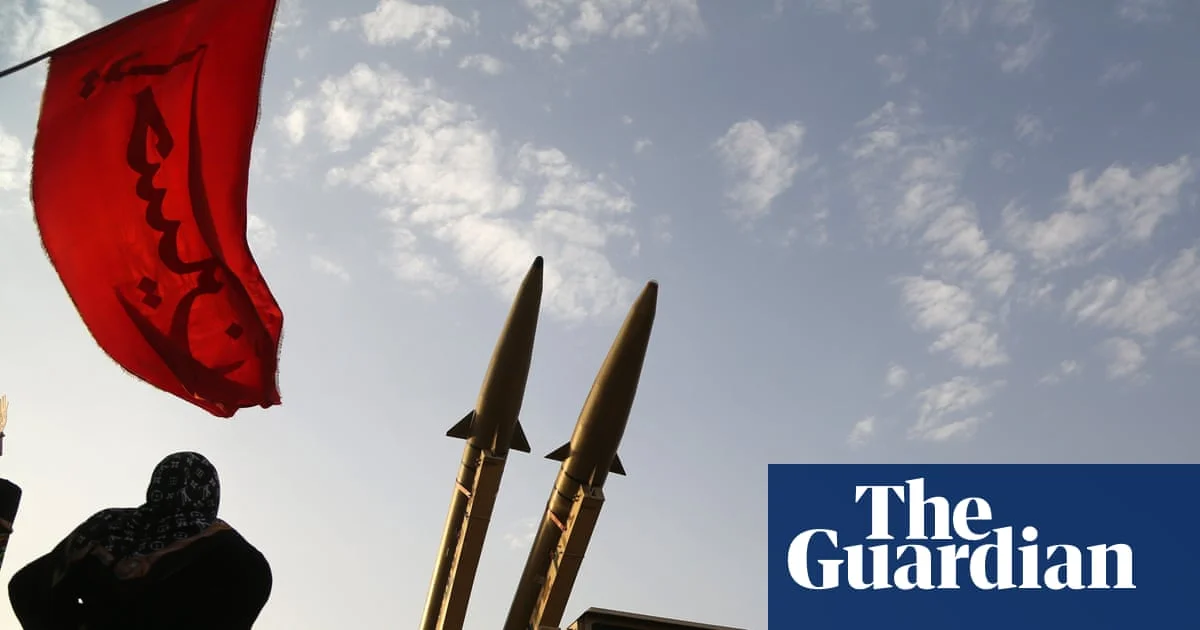
US-Saudi Strikes Hit Pro-Iran Militias After Missile Barrage; Tehran Markets React with Sharp Gold and Dollar Surge
حملات مشترک آمریکا و عربستان به شبهنظامیان تحت حمایت ایران؛ جهش نرخ دلار و طلا در بازار تهران
The US and Saudi Arabia have launched coordinated airstrikes against Iranian-backed militias in Iraq following a massive ballistic missile barrage intercepted by US forces. In Tehran, markets have responded with immediate volatility, as the US Dollar and Gold prices climb amid fears of a wider regional conflict.
At time of publishing
USD
193,600
Toman
Gold 18K
18.76M
Toman / gram
Bitcoin
$64,563
US Dollar
Tether
193,572
Toman
US and Saudi Arabia Launch Joint Strikes as Ceasefire Crumbles
The US military, in a significant escalation of regional tensions, has confirmed it intercepted a massive Iranian ballistic missile barrage aimed at US assets in the Middle East. This "attempted surprise attack" by Tehran, as described by Washington, effectively shattered a fragile pause in regional hostilities that many hoped would lead to a lasting ceasefire. In a rare and decisive move, US forces coordinated with the Saudi Arabian military to conduct retaliatory airstrikes on sites in Iraq linked to pro-Iran militias. These sites were reportedly used as launchpads for recent attacks, and the joint operation resulted in at least 20 casualties among paramilitary groups.
The involvement of Saudi Arabia in active combat operations alongside the United States marks a critical pivot in Riyadh's regional strategy. Previously, the Kingdom had focused on diplomatic mediation and de-escalation; however, the recent Houthi-led attacks on Saudi oil tankers in the Red Sea appear to have pushed Riyadh toward a more confrontational stance. US Central Command (Centcom) stated that the joint strikes were a necessary response to protect international shipping lanes and regional stability from "unprovoked aggression."
---
Tehran Markets Reeling: Gold and Dollar Prices Skyrocket
The immediate fallout of these military actions was felt most acutely in the Tehran markets, where the psychological impact of potential war always translates into currency devaluation. As news of the missile interceptions and subsequent US-Saudi strikes broke, the Iranian Rial plummeted. Based on the latest data, the USD rose from 191,200 to 193,600 Toman, representing a 1.3% increase in a single day. This surge reflects a panicked rush toward hard currency as citizens seek to protect their savings from the looming threat of further economic isolation.
Gold prices followed a similar, even more aggressive trajectory. Gold 18k per gram rose from 18,336,488 to 18,756,636 Toman, a sharp 2.3% jump. Meanwhile, the Emami gold coin moved from 184,000,000 to 187,500,000 Toman (+1.9%). In the Iranian context, gold is the ultimate safe-haven asset, and such a rapid increase in price indicates that market participants are pricing in a high probability of extended military conflict. If ceasefire talks are indeed derailed, as international observers fear, the psychological barrier of the 200,000 Toman dollar may soon be tested.

---
Global Markets Shaken by AI Sell-off and Energy Risks
Beyond the Middle East, the global financial landscape is reeling from a "double whammy" of geopolitical risk and a deepening tech sell-off. Dow Jones futures have fallen sharply as oil prices jump in response to the news of the US-Saudi strikes. Simultaneously, the artificial intelligence sector is facing its own internal crisis. Shares in South Korean chip giant SK Hynix plunged by as much as 12.6% following disappointing earnings that failed to meet the aggressive expectations of AI investors. This has triggered a wider rout in Asian semiconductor stocks, with Seoul’s Kospi index suffering its worst two-day decline since April.
The intersection of these two trends—rising energy costs and a deflating tech bubble—creates a volatile environment for global investors. While oil prices are surging due to the perceived threat to the Strait of Hormuz, the broader market is struggling to maintain its AI-driven momentum. For Iranian investors, this means that even as local prices rise due to Rial weakness, the global value of tech-heavy assets and certain cryptocurrencies may remain suppressed, complicating the search for a truly stable hedge against local inflation.
---
Russia Charges Telegram Founder Durov with Facilitating Terrorism
In a separate but equally significant development for the Iranian digital landscape, Russian authorities have officially charged Telegram founder Pavel Durov with "facilitating terrorism." The charges reflect an ongoing battle between the Russian state and one of the world's most popular messaging apps. For millions of Iranians, Telegram is not just an app but a critical infrastructure for bypassing state censorship, conducting business, and accessing independent news. The legal pressure on Durov raises existential questions about the platform's future neutrality and its ability to resist government demands for data access.
If Telegram is forced to comply with state moderation or data-sharing requirements in Russia, the ripple effects will be felt immediately in Iran. The Iranian government has long sought greater control over the platform, and a Russian legal precedent could provide the justification needed for further domestic restrictions. As the platform that hosts the majority of Iran's informal economy and political discourse, any compromise to Telegram's security or independence would be a devastating blow to digital freedom in the region.

Frequently Asked Questions
Why did Saudi Arabia take part in the airstrikes against pro-Iran militias?
Does the 2.3% jump in gold prices in Tehran signal a long-term trend?
What does the Russian charge against Pavel Durov mean for Iranian users?
The Lure of Safe-Haven Assets During Geopolitical Turmoil
In times of heightened geopolitical tension, such as the US-Saudi strikes and missile barrages mentioned in the headline, financial markets often react dramatically. A key concept that explains the observed "sharp gold and dollar surge" in Tehran markets is the phenomenon of safe-haven assets. These are investments that are expected to retain or increase in value during periods of market turbulence, economic uncertainty, or political instability. Investors, fearing potential losses in more volatile assets or a depreciation of local currency, flock to these perceived havens to protect their wealth.
Gold has historically been the quintessential safe-haven asset. Its value is not tied to any single government or economy, making it a universal store of value that has endured across millennia. During crises, demand for gold typically rises, pushing up its price. Similarly, certain strong and stable currencies, most notably the U.S. dollar, also serve as safe havens. Despite the U.S. being a party to the conflict, the dollar's status as the world's primary reserve currency, backed by a large and relatively stable economy, makes it a preferred choice for international transactions and a refuge for capital during global uncertainty.
The market reactions in Tehran—a surge in gold prices and a depreciation of the Iranian Rial against the U.S. dollar—perfectly illustrate this flight to safety. As geopolitical risks escalate in the Middle East, investors and ordinary citizens alike seek to convert their wealth into assets perceived as more stable and less susceptible to the immediate impacts of conflict or potential economic sanctions. The local currency's value erodes as confidence wanes, driving up the demand for gold and foreign currency as hedges against inflation and instability. Understanding safe-haven assets is crucial for comprehending how global events translate into tangible financial shifts, especially in regions directly affected by geopolitical currents.
Topics
Related Articles