Trump Diplomacy Reshapes War Outlook as UK Eyes Hormuz Coalition; Gold Surges 2.5% in Tehran
دیپلماسی ترامپ و ائتلاف دریایی در هرمز؛ جهش ۲.۵ درصدی قیمت طلا در بازار تهران
Donald Trump hosts the leaders of Ukraine and Israel at the White House as conflicts in the Middle East and Europe reach a critical juncture. Meanwhile, the UK moves to secure the Strait of Hormuz with a new naval coalition, sparking a 2.5% surge in Tehran's gold market.
At time of publishing
USD
193,400
Toman
Gold 18K
18.79M
Toman / gram
Bitcoin
$64,245
US Dollar
Tether
193,620
Toman
The Trump Summit: A New Geopolitical Pivot
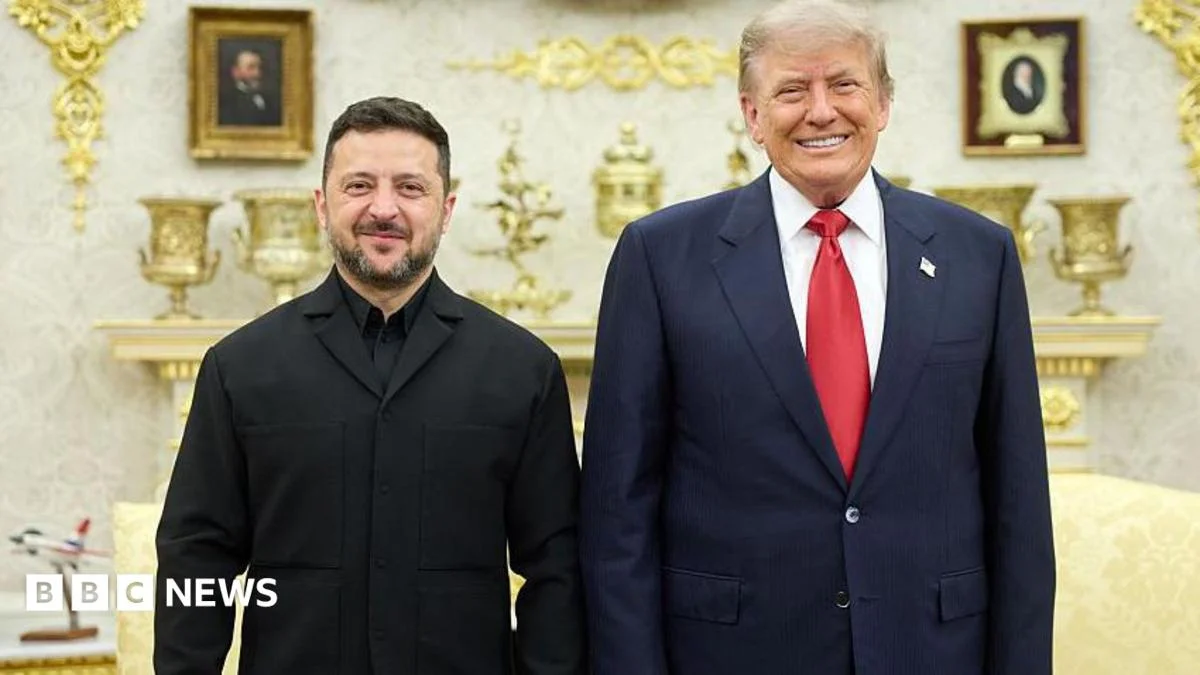
In a move that has sent shockwaves through global diplomatic circles, Donald Trump has held back-to-back bilateral meetings at the White House with Ukrainian President Volodymyr Zelensky and Israeli Prime Minister Benjamin Netanyahu. These meetings come as the conflicts in both Ukraine and the Middle East continue to drag on with no clear end in sight. The optics of these meetings suggest a significant shift in American foreign policy, with Trump positioning himself as the primary deal-maker capable of forcing a resolution to the grinding wars that have defined the mid-2020s. For Iran, this summit is particularly critical, as any grand bargain involving Israel or a shift in U.S. focus could lead to heightened sanctions or a total restructuring of regional security dynamics.
Zelensky and Netanyahu both appeared encouraged following their discussions, signaling that a Trump administration (or the current political trajectory in Washington) is moving toward a more transactional approach to international security. This "America First" mediation style often prioritizes rapid de-escalation over long-term ideological goals, which could leave regional actors in a precarious position. For the Iranian leadership, the spectacle of Netanyahu and Trump coordinating so closely at the White House serves as a stark reminder of the potential for a "maximum pressure" revival, which historically has devastated the value of the Toman and restricted oil exports.

UK Naval Coalition and the Battle for Hormuz
As tensions in the Persian Gulf reach a fever pitch, the United Kingdom has announced plans to build a new naval coalition specifically designed to secure shipping lanes in the Strait of Hormuz. This decision follows a series of strikes by U.S. and Saudi forces against pro-Iran militant alliances in Iraq, marking a significant expansion of the regional conflict. The UK’s move is a direct response to the perceived instability in the world's most critical oil and LNG chokepoint. While Oman had proposed a shared control model for the Strait, Iranian officials have reportedly rejected the plan, demanding primary control over the waterway. This refusal has effectively killed immediate hopes for a diplomatic solution to the maritime standoff.
The formation of this naval coalition signifies that international powers are no longer willing to rely on de-escalation rhetoric alone. By placing more warships in the region, the UK and its allies are preparing for a long-term presence to counter the influence of Iranian proxies. For global markets, this means a permanent "risk premium" will likely be baked into oil prices for the foreseeable future. If the Strait becomes a zone of active naval confrontation, the cost of insurance for tankers will skyrocket, leading to higher energy prices globally and further economic isolation for Tehran as shipping companies avoid the route.
Industrial Tremors: BMW and Caterpillar Face Reality
The global economy is showing signs of a major industrial realignment as BMW announces plans to cut up to 8,000 jobs in Germany. This drastic measure comes under intense pressure from Chinese electric vehicle (EV) rivals who have managed to undercut European manufacturers on both price and technology. The layoffs will primarily affect administrative and development divisions, signaling that even the most prestigious legacy brands are struggling to adapt to the new AI-driven, EV-centric world order. This is not just a corporate restructuring; it is a symptom of Europe losing its competitive edge to the East, a shift that will have long-term implications for global trade balances.
Simultaneously, in the United States, Caterpillar (CAT) has seen a significant stock downgrade as data center moratoriums begin to hamper industrial growth. While the AI boom was expected to fuel endless demand for infrastructure, the reality of power grid limitations and regulatory hurdles is starting to bite. These developments suggest that the "infinite growth" narrative surrounding AI-adjacent industries is facing a reality check. For investors, the combination of European industrial decline and American infrastructure bottlenecks points toward a more volatile period for global equities, making traditional safe havens like gold increasingly attractive.
Tehran Market Reaction: Gold and Dollar Surge
The combination of geopolitical uncertainty and the threat of new naval coalitions has triggered a sharp reaction in the Iranian markets. In the last 24 hours, the price of 18k gold in Tehran has surged from 18,336,488 to 18,791,264 Toman per gram, a significant +2.5% increase. This move reflects a flight to safety by domestic investors who fear that the escalating rhetoric in the Strait of Hormuz and the Trump-Netanyahu meetings will lead to further currency devaluation. The Emami coin followed suit, rising from 184,000,000 to 187,500,000 Toman (+1.9%), as the public scrambles to preserve purchasing power.
The foreign exchange market also remains under pressure, with the USD selling price moving from 191,200 to 193,400 Toman (+1.2%). While the central bank often attempts to stabilize these rates, the sheer volume of negative geopolitical news is making it difficult to maintain the Toman's value. As long as the threat of maritime conflict persists and the U.S. political landscape shifts toward a more hawkish stance on Iran, market participants expect the dollar to continue its upward trajectory. For the average citizen, this translates to immediate inflationary pressure on imported goods and a general sense of economic anxiety.
Watch
Benjamin Netanyahu: I'm going to New York #shorts #israel #foxnews #worldnews
Fox News
Frequently Asked Questions
Why is the UK forming a new naval coalition in the Strait of Hormuz?
How does the Trump-Zelensky-Netanyahu meeting impact Iran's economy?
What is causing the massive layoffs at BMW?
Why did gold prices in Tehran rise more than the dollar today?
Understanding Safe-Haven Assets: Why Gold Shines During Uncertainty
During periods of market turbulence, economic uncertainty, or geopolitical instability, investors often seek out safe-haven assets. These are investments that are expected to retain or even increase in value when other markets decline, providing a refuge for wealth. Gold is the quintessential example of a safe-haven asset, historically sought after when traditional markets like stocks and bonds become volatile or when faith in fiat currencies wavers.
The enduring appeal of gold as a safe haven stems from several key characteristics. Its intrinsic value, universal acceptance across cultures and economies, and its physical nature mean it doesn't rely on the creditworthiness of a single government or corporation. Unlike fiat currencies, gold cannot be printed into oblivion, nor does it carry the counterparty risk associated with bank deposits or corporate bonds. This makes it particularly attractive during times of heightened geopolitical tensions, such as those implied by discussions of a "Strait of Hormuz naval coalition" and broader "Iran regional conflict," as investors seek to protect their wealth from potential disruptions and the erosion of purchasing power.
This dynamic is vividly illustrated by the "Tehran gold price surge" mentioned in the headline, especially when considered alongside the "USD IRR exchange rate." In economies facing significant currency depreciation, like Iran's Rial, and heightened regional instability, gold becomes a crucial hedge against both inflation and a collapsing local currency. The surge in gold prices in Tehran isn't merely a reflection of global gold trends; it's a potent signal of local anxieties, a flight from the depreciating Rial, and a strong desire among individuals to preserve their purchasing power amidst geopolitical risks, economic sanctions, and domestic uncertainty. It underscores gold's role as a tangible store of value when confidence in other assets diminishes.
Topics
Related Articles