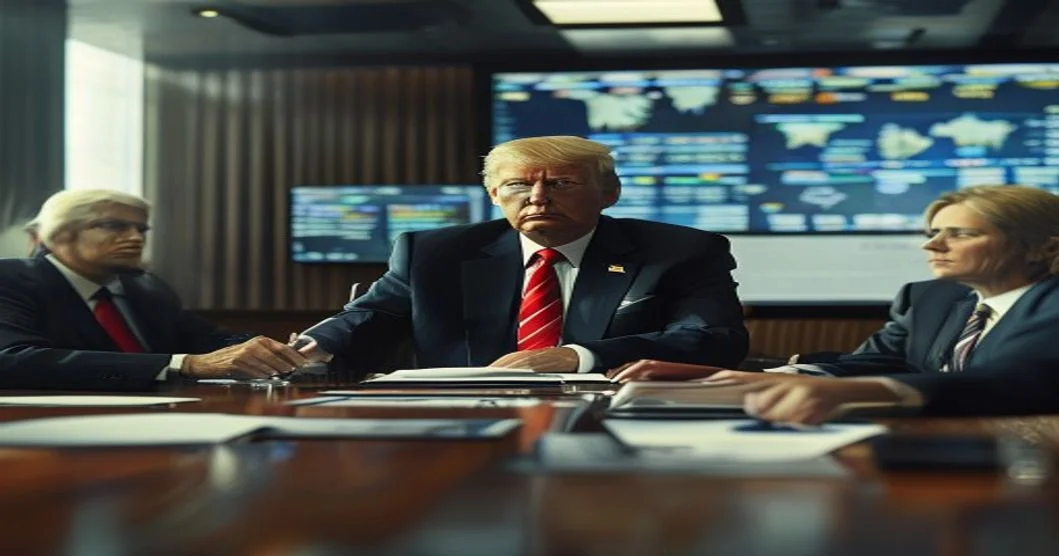
Oil Hits $87 as Trump Threatens Retaliation; US Senate Passes Sweeping Iran Sanctions Bill Amid Isfahan Unrest
جهش قیمت نفت به ۸۷ دلار با تهدیدهای ترامپ؛ تصویب تحریمهای گسترده علیه ایران در سنا همزمان با ناآرامی در اصفهان
Global energy markets are in turmoil as President Trump vows heavy strikes following attacks on US troops, while the US Senate fast-tracks a massive sanctions package. In Tehran, the dollar and gold have surged over 1% and 2% respectively as domestic tensions rise following public executions in Isfahan.
At time of publishing
USD
193,700
Toman
Gold 18K
18.77M
Toman / gram
Bitcoin
$64,174
US Dollar
Tether
194,386
Toman
The Shadow of Justice: From UK Life Sentences to Isfahan Executions
The global judicial landscape saw a stark contrast this Wednesday as a high-profile serial killer case in the United Kingdom concluded just as fresh unrest flared in Iran. James Desborough, a 40-year-old triple killer who dismembered his victims and strangled a cellmate, was handed a whole-life order at Winchester Crown Court. Mr. Justice Saini described the case as unique and uniquely horrific, ensuring Desborough will never be released. This sentencing comes as British police continue to investigate four additional unexplained deaths at a homeless shelter where the killer previously stayed, suggesting a much wider path of destruction than initially known.
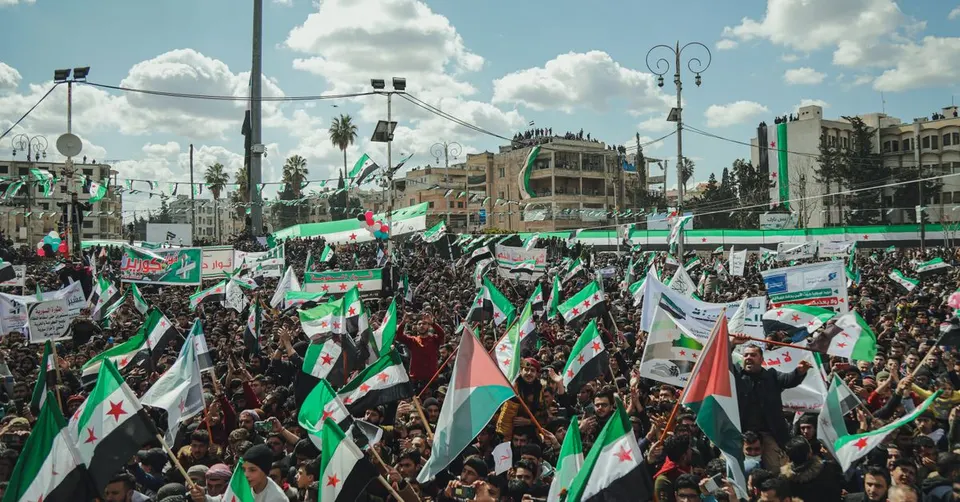
While the UK legal system dealt with a criminal psychopath, the streets of Isfahan became a theater of political defiance. The Islamic Republic’s decision to carry out public executions of two protesters at Alikhani Square at dawn on July 28 backfired significantly. Instead of the intended chilling effect, several hundred citizens gathered to chant anti-regime slogans against the police and the judiciary. The subsequent deployment of anti-riot units to disperse the crowd underscores a growing volatility within the country, where state-sanctioned violence is increasingly met with immediate public backlash rather than submission.
Geopolitical Escalation: Trump’s Retaliation and the 86-12 Sanctions Vote
Geopolitical tensions reached a boiling point today as President Donald Trump confirmed that the United States and Saudi Arabia have begun coordinated strikes against Iran-backed militias in Iraq. Speaking on Fox News, Trump signaled a massive escalation, stating that the U.S. would order even heavier strikes following ballistic missile attacks on American forces overnight. This move has already created a diplomatic rift, with the Iraqi government labeling the strikes a "blatant violation" of sovereignty and the Iraqi Prime Minister canceling a high-stakes meeting with Saudi Crown Prince Mohammed bin Salman. The regional security architecture is fracturing as the U.S. shifts from containment to active retaliation.
Simultaneously, the U.S. Senate delivered a crushing blow to Tehran’s economic hopes with an 86-12 vote to advance a sweeping sanctions bill targeting both Russia and Iran. The legislation, which was the final project of the late Senator Lindsey Graham, received a boost from a surprise closed-door appeal by Ukrainian President Volodymyr Zelenskyy. This bipartisan consensus signals that regardless of domestic political squabbles, the U.S. legislature is committed to a policy of maximum economic pressure. For the Iranian economy, this means any hope of sanctions relief or normalized trade remains a distant fantasy, further depressing the value of the national currency.
---
Market Reaction: Oil Surges and Tehran’s Risk Premium Peaks
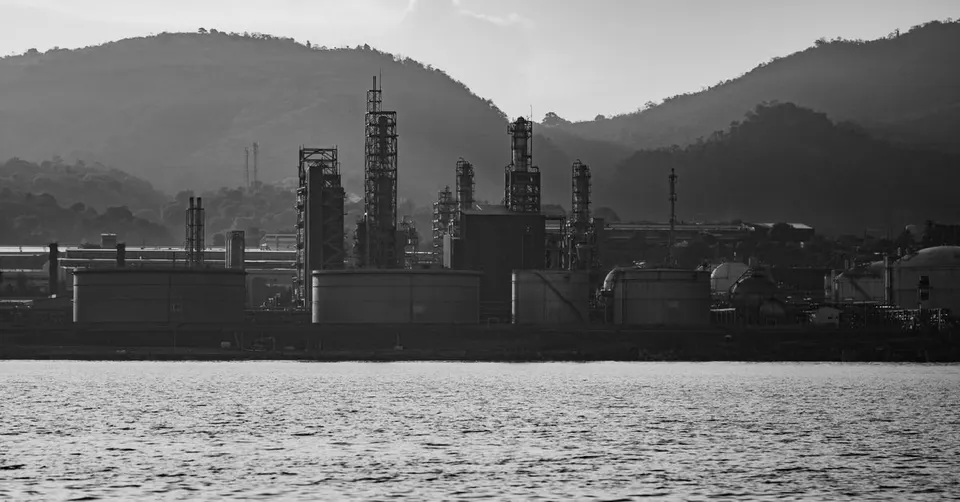
The combination of military threats and legislative pressure has sent shockwaves through the global energy and currency markets. Global oil prices surged above $87 a barrel on Wednesday as traders priced in the risk of a wider conflict in the Middle East and the potential for disrupted supply lines. The market is also grappling with a potential profit squeeze in the tech sector, leading some investment managers to shift capital toward more traditional "unglamorous" stocks like refiners and tanker operators, which stand to benefit from the current volatility and the burgeoning El Niño climate disruption.
In Tehran, the local markets responded with immediate and sharp devaluations. The USD/IRR exchange rate moved from 191,200 to 193,700, representing a 1.3% increase in just 24 hours. The precious metals market saw even more aggressive movement as citizens sought refuge from the dual threats of inflation and war. Gold 18k per gram jumped from 18,336,488 to 18,768,179 (+2.4%), while the benchmark Emami coin rose from 184,000,000 to 188,000,000 (+2.2%). These moves reflect a deepening lack of confidence in the rial as the "war premium" becomes a permanent fixture of the Iranian financial landscape.
The Bigger Picture: Economic Growth vs. Inflationary Pressure
Underpinning this chaos is a complex economic reality in the United States. While the U.S. economy is poised to show robust second-quarter growth, the underlying figures tell a more nuanced story. The war with Iran and the resulting spike in energy costs have significantly boosted inflation, a factor that might be masked in the headline GDP reports. This persistent inflation is complicating the Federal Reserve's path toward interest rate cuts, as the "inflation tax" from geopolitical conflict offsets the gains from domestic productivity.
For the Iranian reader, this global dynamic translates into a "double squeeze." Not only is the domestic economy suffering from direct sanctions and mismanagement, but the global inflationary environment makes imported goods and basic necessities even more expensive. As the U.S. Senate tightens the screws and military actions escalate, the Iranian government's ability to stabilize the market is effectively non-existent. The current trend suggests that the volatility seen in the 18:00 Tehran session is likely to persist as the market awaits the next move from the White House and the potential for further civil unrest at home.
Frequently Asked Questions
Why did the US Senate pass the sanctions bill with such a high majority?
How do the protests in Isfahan impact the currency market?
What is the likelihood of further oil price increases?
Topics
Related Articles