
War Profits and Global Crime: Tehran Gold Surges 2.5% as Glencore Nets $3.3B from Regional Conflict
سود جنگ و جنایت جهانی: جهش ۲.۵ درصدی طلا در تهران همزمان با سود ۳.۳ میلیارد دلاری گلنکور از تنشهای منطقه
As the 'Iran War' rattles global energy markets, commodity giant Glencore reports a massive $3.3 billion profit from volatility. Meanwhile, a Norwegian teen's conviction for an Iran-linked contract killing in the UK adds to the geopolitical pressure pushing Tehran's gold and dollar prices to new highs.
At time of publishing
USD
193,900
Toman
Gold 18K
18.79M
Toman / gram
Bitcoin
$63,894
US Dollar
Tether
194,717
Toman
The War Premium: Glencore’s Windfall and Tehran’s Market Stress
The global energy landscape is currently being reshaped by the escalating conflict in the Middle East, a situation that has proven incredibly lucrative for some while devastating for others. Commodity trading titan Glencore has announced a staggering $3.3 billion in trading profits for the first half of the year, explicitly citing the extreme market volatility generated by the ongoing "Iran War." As oil prices top $88 a barrel following President Trump’s vows of heavy retaliation for missile strikes on American forces, the "war premium" is no longer a theoretical concept—it is a massive transfer of wealth. For Glencore, the chaos in shipping lanes and the uncertainty of supply mean record earnings before interest and tax (EBIT) in their marketing segment.
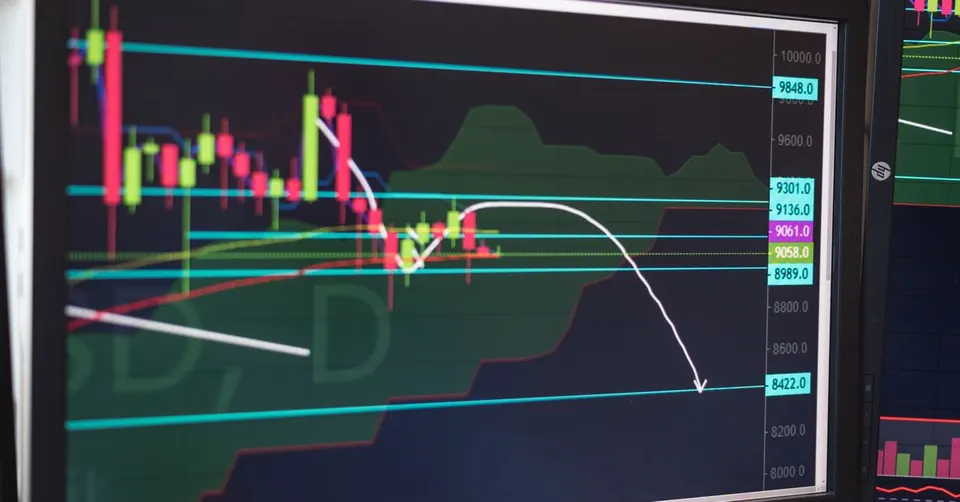
However, for the Iranian public, this global volatility translates into immediate domestic economic pressure. In the last 24 hours, the USD/IRR exchange rate has climbed from 191,200 to 193,900 Toman, marking a 1.4% increase. This surge is not happening in a vacuum; it is a direct reflection of the market's fear that the conflict with the US-Saudi coalition is entering a more destructive phase. When global giants like Glencore profit from volatility, it usually means that local currencies in the heart of the conflict zone are being devalued as investors flee to the safety of hard assets.
Transnational Crime: The Chilling Case of the Norwegian Teen and the Iran Link
Geopolitical tensions are increasingly manifesting in the world of international crime, as evidenced by the conviction of 19-year-old Johannes Kongsnes Natland in the UK. The Norwegian teenager was found guilty of traveling to England to carry out a contract killing ordered by an international crime gang with documented links to Iran. Natland was reportedly recruited for a sum of €25,000 to shoot an unknown target in Huddersfield, a plot that was only foiled when armed police arrested him in a hotel room. This case highlights a dangerous trend where regional conflicts spill over into Western cities through proxy criminal networks, further isolating Tehran from the international community.
For the Iranian reader, this story is more than a crime headline; it is a signal of the increasing "securitization" of the Iranian diaspora and the state's foreign relations. Such incidents often trigger a wave of secondary sanctions and heightened scrutiny of financial transactions involving Iranian entities. The conviction of a European national in a plot linked to Tehran provides Western hawks with the ammunition needed to push for even more stringent economic blockades. As these stories circulate, the perceived risk of doing business with or within Iran grows, which inevitably puts more upward pressure on the price of the US dollar in Tehran's open market.
---
Gold’s Record Run: Survival Mode in the Tehran Market
Gold has become the ultimate barometer of fear in the Iranian capital. In just one day, the price of 18k gold has surged by 2.5%, moving from 18,336,488 to 18,791,264 Toman per gram. The Emami gold coin followed suit, jumping 2.4% to reach 188,500,000 Toman. These are not merely adjustments to global spot prices—which have themselves crossed the historic $4,000 per ounce threshold—but a frantic rush for local capital preservation. As Saudi Arabia joins US strikes in Iraq and the prospect of a wider regional war looms, Iranians are liquidating Toman-based assets in favor of anything that can survive a total economic blackout.

This flight to safety is further complicated by a sense of cultural and diplomatic fragmentation. Even in the world of entertainment, the announcement that K-pop superstars BTS are withdrawing from Grammy consideration to protest "regional division" mirrors the broader global trend of decoupling. The world is becoming more segmented, and for a country like Iran, which is already heavily sanctioned, this lack of global integration means that market shocks are felt more acutely. With no diplomatic off-ramp in sight and major powers doubling down on military postures, the record-high gold prices in Tehran are likely a floor, not a ceiling, for the coming weeks of uncertainty.
Justice and Insecurity: The Desborough Sentence and Public Safety
In a separate but equally grim development, serial killer James Desborough has been handed a whole-life order in the UK for the murder of two men, while police investigate four more suspicious deaths at a homeless shelter where he stayed. While this case is not directly related to Middle Eastern geopolitics, it contributes to a general atmosphere of global instability and the failure of social safety nets. The fact that such extreme violence can persist undetected in a developed nation’s shelter system has sparked a heated debate about social care and government oversight, echoing the domestic frustrations many Iranians feel regarding their own state’s inability to provide basic security and welfare.

Ultimately, these disparate threads—from Glencore’s billions to a teenager’s failed assassination plot and the surge in Tehran’s gold bazaar—paint a picture of a world in transition. We are moving away from a period of relative stability into an era where conflict is a primary driver of economic value for some, and a primary driver of poverty for others. For those watching the tickers in Tehran, the message is clear: the cost of conflict is rising, and it is being paid in the value of the Toman every single hour.
Frequently Asked Questions
Why is Glencore profiting from the conflict involving Iran?
What is the significance of the Norwegian teenager's conviction?
Why did gold prices in Tehran rise faster than the US dollar today?
War Profiteering: How Conflict Fuels Specific Economic Gains
War profiteering refers to the act of making excessive or unfair profits from a state of war or armed conflict. This phenomenon often arises when individuals or corporations capitalize on the unique economic conditions created by conflict, such as supply shortages, increased demand for certain goods, or the instability of traditional markets. While not all business activity during wartime is inherently unethical or illegal, the term "war profiteering" typically implies exploitation, price gouging, fraud, or taking advantage of human suffering for financial gain. The headline, with its mention of Glencore netting billions from regional conflict and a surge in gold prices, points directly to this complex economic reality.
One primary mechanism of war profiteering involves the manipulation or natural escalation of commodity prices. During times of geopolitical instability, supply chains for essential goods like oil, natural gas, and strategic minerals can be disrupted, leading to significant price spikes. Simultaneously, assets traditionally considered "safe havens," such as gold, often see increased demand as investors seek to protect their wealth from currency devaluation and economic uncertainty. The reported surge in Tehran gold prices and the volatility in Middle East oil markets are classic examples of how conflict can drive up the value of such commodities, creating lucrative opportunities for those positioned to trade them.
Companies involved in resource extraction, logistics, arms manufacturing, or even humanitarian aid can find themselves in a position to profit handsomely during conflicts. These profits might stem from securing high-value government contracts for military supplies or reconstruction efforts, often with reduced oversight, or from actively trading commodities whose prices have been inflated by the conflict. The significant financial gains reported by entities like Glencore in the context of regional instability highlight how large corporations, through their global reach and market power, can navigate and benefit from the economic turbulence of war.
Understanding war profiteering is crucial for comprehending the broader economic consequences of conflict. It sheds light on why certain sectors thrive amidst chaos, how wealth can be redistributed, and the ethical dilemmas faced by businesses operating in war zones. While some profits may be a legitimate outcome of providing necessary goods and services under difficult circumstances, the line between legitimate commerce and exploitative profiteering often becomes blurred, necessitating scrutiny and regulatory oversight to prevent egregious abuses.
Topics
Related Articles