Athens Burns as Tehran Markets Cool: Gold and USD Slide Amid Regional De-escalation Rumors
شعلههای آتش در آتن و ریزش قیمتها در تهران؛ طلا و دلار در مسیر کاهشی
As Greece battles catastrophic wildfires near Athens, Tehran's financial markets have seen a significant retreat with gold and USD prices dropping over 2%. Meanwhile, a deadly blast in Moscow and strategic proposals to bypass the Strait of Hormuz are reshaping the geopolitical risk map.
At time of publishing
USD
191,800
Toman
Gold 18K
18.33M
Toman / gram
Bitcoin
$63,094
US Dollar
Tether
192,358
Toman
Europe’s Wildfire Crisis Peaks in Athens
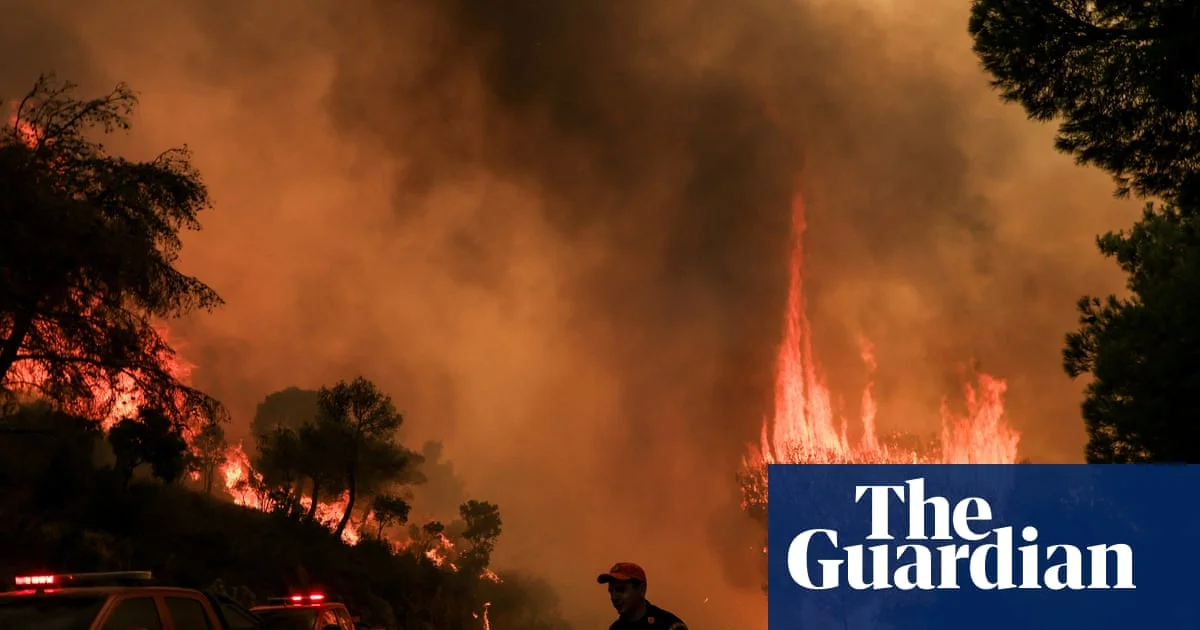
The environmental crisis in Southern Europe has taken a terrifying turn as gale-force winds pushed massive wildfires deeper into the Attica region, threatening the outskirts of Athens. While blazes in France and Spain have begun to stabilize, the situation in Greece remains critical. Firefighting aircraft have struggled to operate effectively due to violent gusts that prevent them from safely collecting water from the sea, leaving ground crews to battle flames that are now encroaching on industrial districts and residential villages near Megara.
This climate-driven catastrophe is not just a local tragedy but a signal of the increasing volatility facing Mediterranean economies. The destruction of infrastructure and the repeated evacuation of productive regions place a heavy burden on national budgets and the insurance sector. For international observers, the persistent nature of these fires suggests that the 'new normal' of extreme weather is accelerating, forcing a re-evaluation of regional stability and tourism-dependent economies across the European Union.

Tehran Markets: The De-escalation Discount
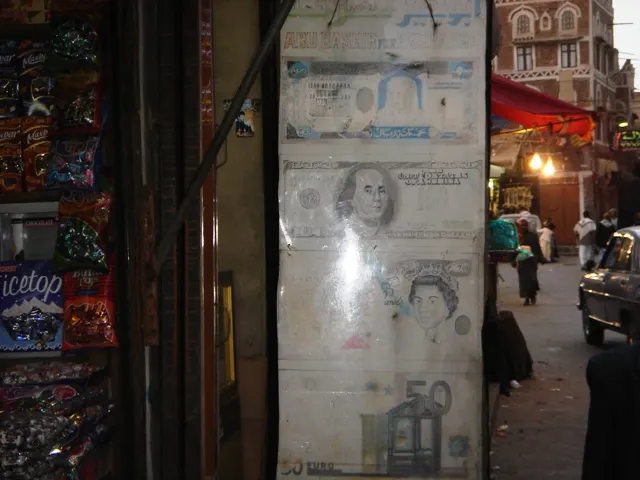
Inside Iran, the financial markets are telling a story of cautious optimism, or perhaps a temporary reprieve from war fever. The US Dollar (USD) has moved from 194,400 to 191,800 Toman, marking a 1.3% decrease in just 24 hours. Even more pronounced is the retreat in the gold market; 18k gold fell from 18,733,551 to 18,334,179 Toman per gram, a significant 2.1% drop. The Emami coin followed suit, sliding from 188,000,000 to 184,000,000 Toman.
This downward trend is largely attributed to circulating rumors of a 'rapid deal' being brokered to avoid direct military strikes. Traders who were hedging against immediate conflict are now liquidating positions, leading to a cooling effect across the board. However, experienced analysts warn that these price drops are highly sensitive to political rhetoric; any breakdown in the perceived diplomatic progress could see these gains for the Rial erased overnight. For the average Iranian citizen, this volatility remains a double-edged sword, offering a brief respite from inflation while maintaining a high-stress environment for long-term savings.
Geopolitical Shocks: Moscow Bombing and the Hormuz Bypass
The global security landscape was further rattled by a deadly explosion in central Moscow. A homemade device carried by a woman exploded near the Italian restaurant Balzi Rossi, located in one of the city’s iconic Stalin-era skyscrapers. The blast killed at least three people and injured dozens more, sparking immediate speculation regarding links to the ongoing conflict in Ukraine. Such high-profile attacks in the heart of the Russian capital continue to erode the sense of domestic security and complicate the Kremlin's narrative of a controlled special operation.
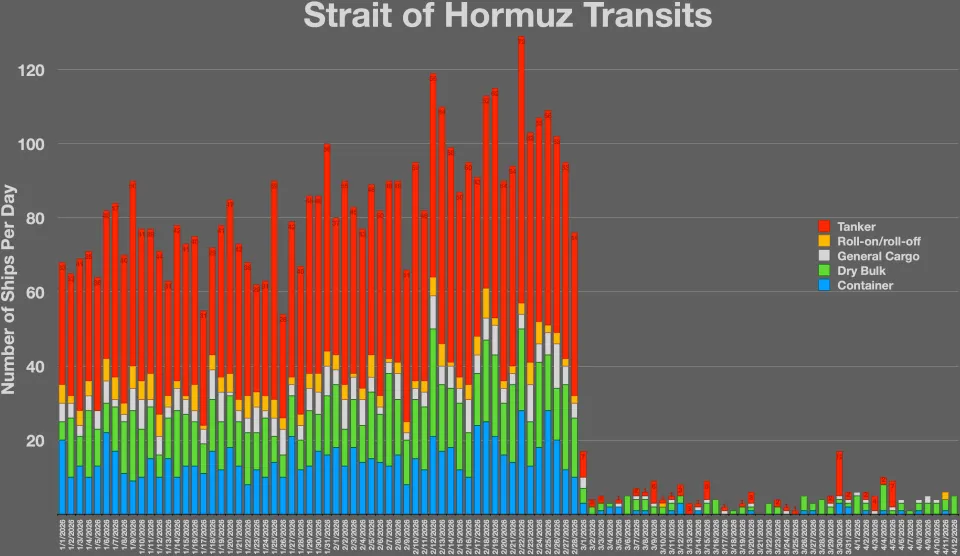
Simultaneously, the strategic importance of the Strait of Hormuz is being challenged by new political proposals in Washington. Marco Rubio’s plan to bypass the Hormuz chokepoint via alternative pipelines and Red Sea routes is gaining traction among policy experts. While the plan faces massive logistical hurdles and threats from regional proxies, the mere discussion of 'escaping' the Strait signals a long-term shift in how the West views energy security. For Iran, any successful diversification of oil routes by its neighbors would represent a direct blow to its most significant geopolitical leverage, potentially altering the balance of power in the Persian Gulf for decades to come.
AI Drives Market Resilience: The Amazon Factor
In the corporate world, the S&P 500 continues to defy gravity, driven largely by the massive earnings growth of Big Tech. Amazon has become the latest standout, reporting 'wild' profit growth that exceeded most analyst expectations. This surge is not just from traditional e-commerce but is heavily bolstered by paper gains from its strategic investments in AI startup Anthropic. This highlights a growing trend where the valuation of legacy tech giants is becoming inextricably linked to their ability to integrate and monetize artificial intelligence.
This 'AI-fueled' resilience in the US markets provides a stark contrast to the volatility seen in emerging and frontier markets. As companies like Amazon and Apple—with its new budget MacBook Neo—redefine their market dominance, the gap between tech-integrated economies and those reliant on traditional commodities continues to widen. For investors, the message is clear: the AI revolution is no longer a future prospect but the primary engine of current market growth, even as geopolitical tensions simmer in the background.
Frequently Asked Questions
Why did the price of gold and USD drop in Tehran today?
How significant is the Moscow bombing for regional stability?
What is the 'Hormuz bypass plan' mentioned by experts?
Understanding Safe-Haven Assets in Times of Uncertainty
When headlines speak of "de-escalation rumors" causing assets like gold and the U.S. dollar to "slide" in markets like Tehran, it points directly to the critical concept of safe-haven assets. A safe-haven asset is an investment that is expected to retain or even increase in value during periods of market turbulence, economic downturns, or geopolitical instability. Investors flock to these assets when they perceive increased risk in the broader market, seeking to preserve their capital from potential losses in more volatile investments.
Gold is perhaps the quintessential safe-haven asset, prized for millennia for its intrinsic value and its historical role as a store of wealth. Its supply is limited, it's not tied to any single economy or government, and it tends to perform well when confidence in fiat currencies or financial systems wanes. Similarly, the U.S. dollar often acts as a safe haven due to its status as the world's primary reserve currency, backed by the stability of the U.S. economy and its deep, liquid financial markets. In regions prone to geopolitical tensions, local populations often convert savings into gold or foreign currencies like the dollar as a hedge against local currency depreciation and political risk.
The "slide" in gold and USD prices in Tehran amid "de-escalation rumors" perfectly illustrates this dynamic. When the perception of regional risk decreases, the urgency to hold safe-haven assets diminishes. Investors and individuals who had sought refuge in gold and dollars during times of heightened tension may begin to divest, moving back into local assets or simply reducing their demand for these hedges. This shift in sentiment and demand can lead to a decrease in their market value, reflecting a collective sigh of relief and a renewed confidence in a more stable environment.