US Refunds $100bn in Illegal Tariffs; Michael Burry Warns of 1987-Style Market Crash
بازگشت ۱۰۰ میلیارد دلار تعرفههای غیرقانونی آمریکا؛ هشدار «مایکل بری» درباره سقوط سهمگین بازارها
The US government is refunding $100 billion in illegal trade tariffs as global markets face a dire warning from 'Big Short' investor Michael Burry. Meanwhile, a major hardware wallet hack has sparked on-chain panic in the crypto sector.
At time of publishing
USD
188,900
Toman
Gold 18K
18.42M
Toman / gram
Bitcoin
$64,032
US Dollar
Tether
188,767.959
Toman
The $100 Billion Reversal: US Court Rules Against Trump-Era Tariffs
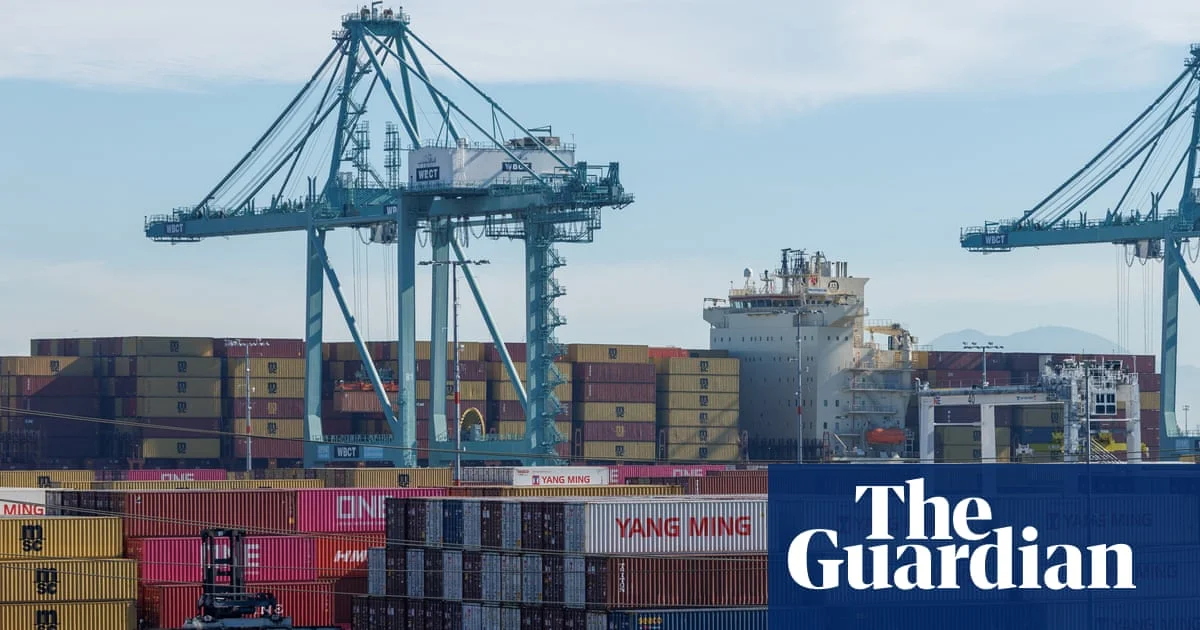
In a landmark decision that has sent shockwaves through the global trade community, the US Court of International Trade (CIT) has confirmed that the federal government has begun refunding approximately $100 billion in tariffs collected during the previous administration's 'liberation day' trade policies. This figure represents roughly 60% of the total $165 billion levied, which the Supreme Court recently deemed illegal. The move is a significant victory for major retailers and importers who have spent years arguing that these protectionist measures were an overreach of executive authority and a primary driver of domestic price hikes.
This massive liquidity injection back into the private sector comes at a critical time for the US economy. While the refund provides relief to businesses, it also highlights the legal fragility of aggressive trade wars. For global markets, this signifies a potential shift toward more predictable trade frameworks, though the immediate impact is a complex mix of corporate balance sheet strengthening and questions about future fiscal gaps. The refund process, handled by customs officials, marks one of the largest financial reversals in the history of US trade law.
The 'Big Short' Returns: Michael Burry Warns of a 1987-Style Collapse
Despite the S&P 500 reaching record highs this week, famed investor Michael Burry—of The Big Short fame—is sounding the alarm on what he describes as a looming 1987-style market crash. Burry’s bearish stance focuses on the extreme concentration in a handful of tech stocks and the unsustainable momentum of the current rally. He suggests that the current market structure, heavily influenced by passive indexing and AI-driven speculation, has created a brittle environment where a single catalyst could trigger a systemic deleveraging event similar to the infamous 'Black Monday.'
While some analysts argue that the 60/40 portfolio is proving its resilience, Burry’s warnings have historically commanded attention due to his contrarian successes. His skepticism coincides with a notable surge in gold prices, which rose 1.1% over the last 24 hours to reach 18,421,903 Toman per gram in the local market. This flight to safety suggests that institutional and retail investors alike are beginning to hedge against the volatility that Burry predicts, even as equity indices continue their upward climb.
Crypto Panic: Coldcard Hack and the $120 Million Exodus
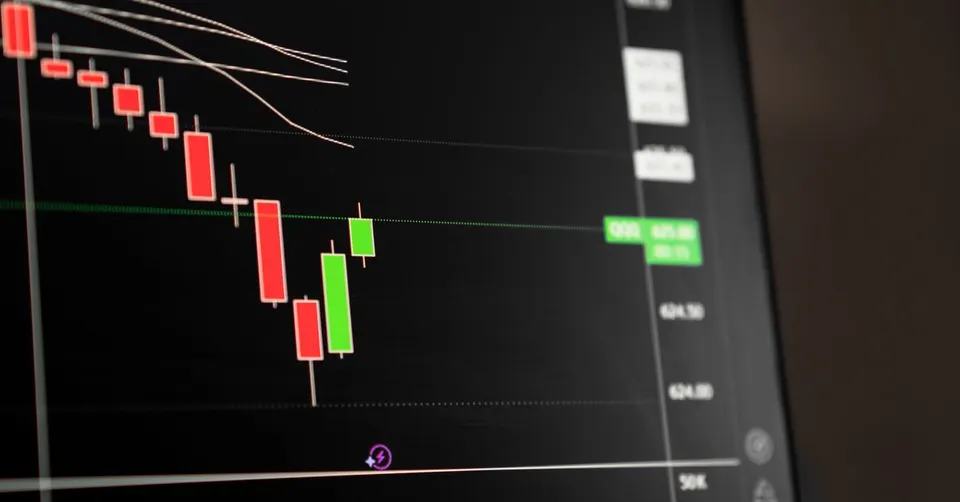
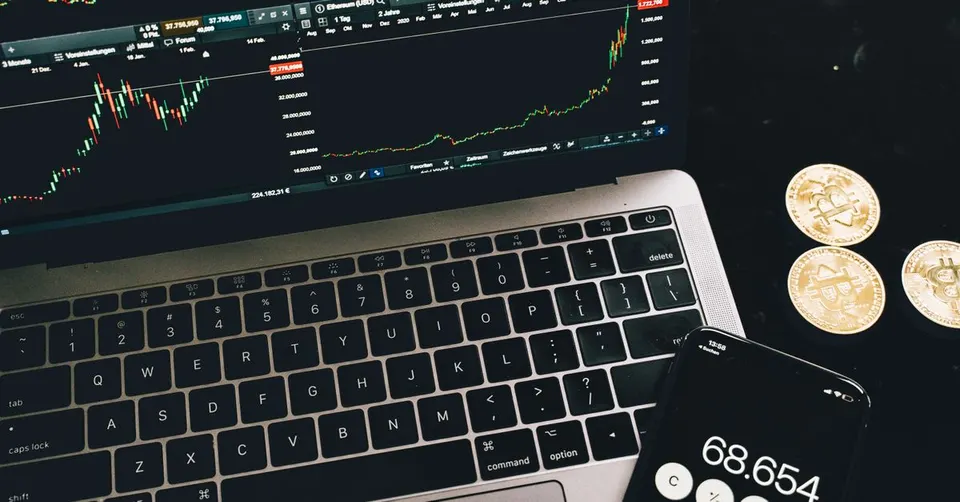
The cryptocurrency market is currently grappling with 'visible on-chain panic' following a devastating $120 million hack targeting the Coldcard hardware wallet ecosystem. Data from K33 Research shows that Bitcoin activity has hit a 2026 high, with over 890,000 BTC moving in just one week as users scramble to secure their assets. This breach has shattered the perceived invulnerability of cold storage solutions, leading to a temporary decoupling of crypto assets from the broader rally seen in global equities.
Bitcoin (BTC) is currently trading at $64,032, struggling to maintain its footing as the memory pool remains congested with emergency transfers. The hack has not only caused immediate financial loss but has also triggered a crisis of confidence in self-custody tools. While some analysts see this as a 'bottoming pattern' where weak hands are flushed out, the sheer volume of movement suggests that the market is in a high-alert phase. In the local Iranian market, the US Dollar saw a slight dip of -0.3%, moving from 189,500 to 188,900 Toman, reflecting a cautious wait-and-see approach among currency traders.
Soft Diplomacy: Japan and Iran Mark a Century of Ties
Amidst the backdrop of global economic tension, Japan’s Ambassador to Iran, Tsukada Tamaki, has engaged in a unique act of soft diplomacy to celebrate the 100th anniversary of Tehran-Tokyo relations. By performing the iconic theme music from the Japanese series Oshin alongside Tehran’s Istgah Orchestra, the envoy signaled a desire to maintain cultural and diplomatic bridges despite the heavy weight of international sanctions. This anniversary comes at a time when Iran is seeking to diversify its diplomatic engagements beyond the immediate regional sphere.
While the cultural celebration provides a positive headline, the practicalities of the relationship remain constrained by global geopolitical realities. President Pezeshkian has recently reiterated Iran's stance on regional negotiations, while the Interior Ministry continues to hold high-level meetings with neighboring envoys, including Pakistan’s new ambassador. For the average Iranian, these diplomatic gestures are often viewed through the lens of economic potential; any easing of tensions with a major economy like Japan is seen as a possible precursor to future trade relief, though such outcomes remain distant in the current climate.

Frequently Asked Questions
Why is the US government refunding $100 billion in tariffs?
What is the 1987-style crash Michael Burry is referring to?
Is the Coldcard hack a threat to all Bitcoin holders?
Understanding Tariffs: Tools of Trade Policy and Their Global Impact
Tariffs are essentially taxes imposed by a government on imported goods or services. While they might seem like a simple revenue-generating tool, their primary purposes are often more complex: to protect domestic industries from foreign competition (a policy known as protectionism), and to serve as leverage in international trade negotiations or disputes. By making imported goods more expensive, tariffs aim to encourage consumers to buy domestically produced alternatives, theoretically boosting local employment and production.
The economic consequences of tariffs are far-reaching. While they can offer a temporary shield to specific domestic industries, they often lead to higher prices for consumers, as the cost of the tariff is typically passed on. Businesses that rely on imported raw materials or components also face increased input costs, which can reduce their competitiveness or necessitate price hikes. Perhaps the most significant risk is that tariffs can provoke retaliatory tariffs from other countries, escalating into a 'trade war' where multiple nations impose duties on each other's goods, ultimately harming global trade and economic growth.
The mention of "illegal tariffs" in the headline highlights a crucial aspect of international trade: the existence of a global legal framework, primarily governed by the World Trade Organization (WTO). Tariffs can be deemed illegal if they violate a country's commitments under WTO agreements or other bilateral trade treaties, or if they are imposed without following proper domestic legal procedures. When a legal challenge to such tariffs is successful, as implied by the $100 billion refund, it underscores the importance of adhering to agreed-upon trade rules and the mechanisms for dispute resolution within the international system. This demonstrates that trade policy, while a sovereign right, is often constrained by a web of international laws and agreements designed to foster fair and predictable global commerce.
Topics
Related Articles