UK Firms Warn Profits Plummet Amid Iran War Costs; AI Giant Anthropic Pledges 5% for Public Benefit
هشدار سوددهی شرکتهای بریتانیایی به دلیل جنگ ایران؛ آنتروپیک ۵٪ سهام خود را به امور عامالمنفعه اختصاص داد
UK-listed companies are issuing profit warnings at the highest rate in two years, citing escalating costs driven by the ongoing conflict involving Iran. Meanwhile, AI leader Anthropic has pledged to allocate 5% of its shares to a public benefit fund, signaling a new trend in corporate social responsibility within the tech sector.
At time of publishing
USD
262,000
Toman
Gold 18K
25.91M
Toman / gram
Bitcoin
$82,684
US Dollar
Tether
259,493
Toman
Market Open: Navigating Geopolitical Headwinds
Welcome to Monday, October 19th, 2026. The Tehran market opens today with a slight dip in the USD/IRR, reflecting a cautious sentiment that seems to be rippling across global markets. The US dollar sold for 262,000 Toman, down 0.1% from yesterday, indicating a minor stabilization in the currency after recent fluctuations. Gold also saw a marginal uptick, with the 18k gram price nudging up by 0.2% to 25,913,015 Toman. The Emami coin remained flat, holding steady at 266,000,000 Toman, suggesting a wait-and-see attitude from investors in the precious metals market.
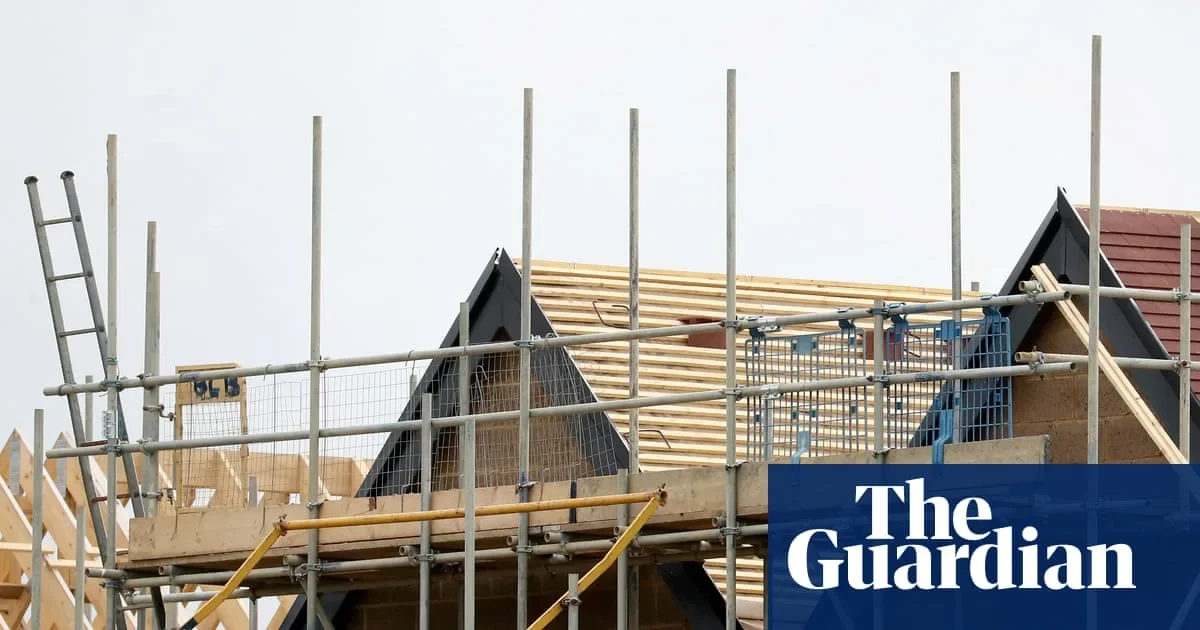
This cautious mood isn't confined to Iran. Across the Atlantic, UK-listed companies are issuing profit warnings at a pace not seen in two years. Consultancy firm EY-Parthenon reported 65 such warnings in the three months leading up to the end of September, a stark indicator of the economic pressures businesses are facing. The primary culprit identified is the escalating cost environment exacerbated by the ongoing conflict involving Iran, which is disrupting supply chains and driving up operational expenses for firms operating on the London Stock Exchange. This has a clear knock-on effect, dampening investor confidence and potentially influencing currency and commodity markets globally, including our own.
---
UK Firms Sound Alarm: Iran War's Ripple Effect on Profits
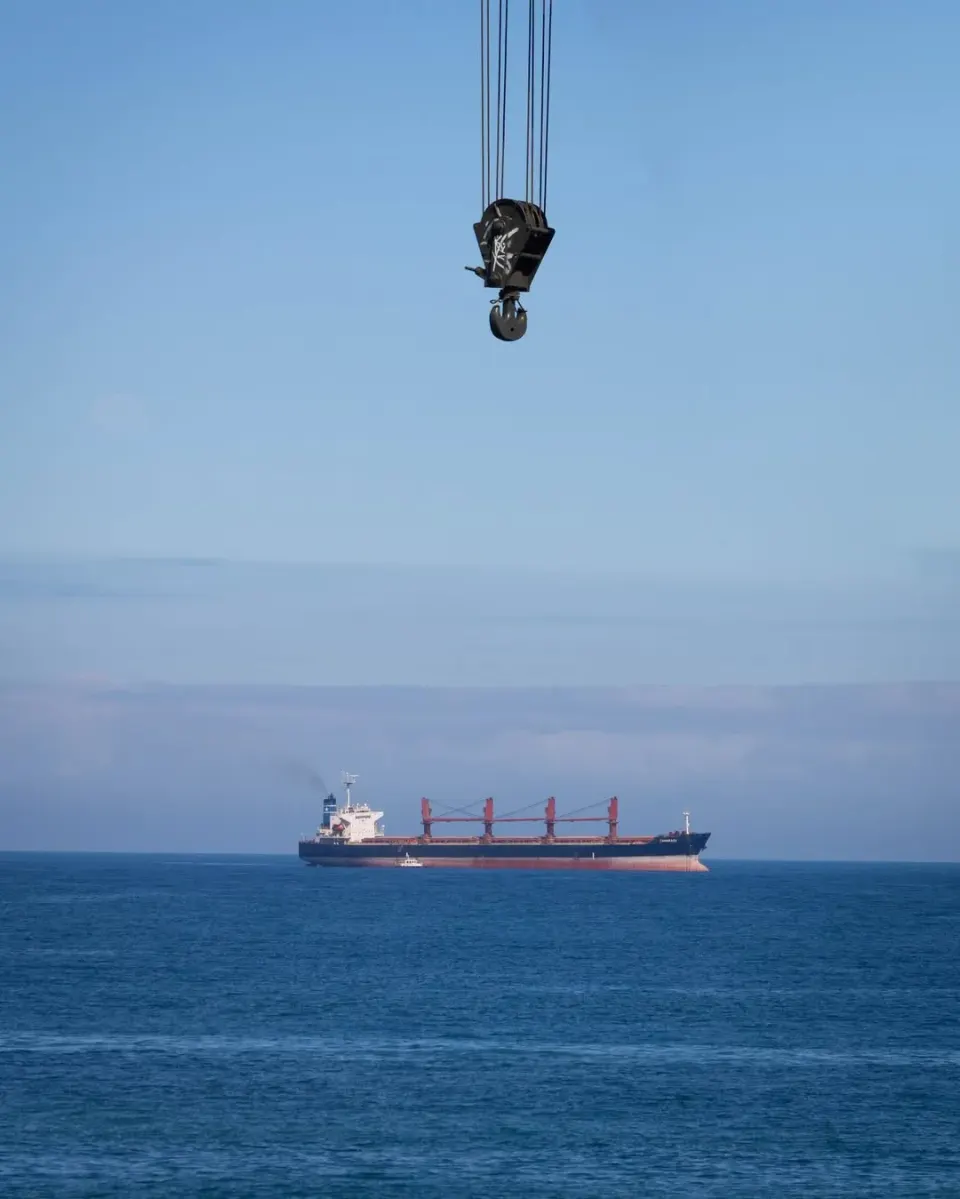
The latest figures from EY-Parthenon paint a grim picture for the UK's corporate landscape. Sixty-five profit warnings in just three months signal a significant downturn, with the ongoing conflict in the Middle East and its associated cost implications being a major driver. Companies are grappling with inflated energy prices, disrupted shipping routes, and the general uncertainty that such geopolitical instability breeds. This situation is particularly acute as the UK government prepares for its budget, with Chancellor John Healey facing the challenge of navigating these economic headwinds.
For Iran, this global economic fragility underscores the interconnectedness of international markets. The increased costs faced by UK firms translate into higher prices for imported goods, potential reductions in demand for exports, and a general tightening of global credit conditions. This can indirectly impact the value of the Rial, the price of gold, and the overall confidence in the Iranian economy. The news serves as a potent reminder that even distant conflicts can have tangible financial consequences at home, influencing everything from business investment to household budgets.
---
AI Giant Anthropic Pledges 5% of Shares to Public Benefit
In a move that could set a new precedent in the technology sector, AI research firm Anthropic, the creator of the Claude chatbot, has announced it will commit 5% of its shares to a 'public benefit fund'. This initiative, revealed by BBC World and Al Jazeera, signals a growing trend among major tech companies to integrate social responsibility directly into their corporate structure, especially as they gear up for potential stock market listings. The fund is intended to support non-governmental organizations (NGOs) and potentially facilitate direct distributions to specific populations, reflecting a desire to use their burgeoning influence and wealth for broader societal good.
This commitment from Anthropic is significant not just for its philanthropic aspect, but also for its potential market implications. As AI companies like Anthropic are valued in the billions, such a pledge demonstrates a forward-thinking approach to corporate governance and public perception. In a sector often scrutinized for its impact on jobs and society, this move could preemptively address concerns and build goodwill. For investors and the public alike, it raises questions about how other tech giants will respond and whether this will become a new benchmark for ethical business practices in the age of advanced artificial intelligence. The commitment could influence how investors view AI companies, potentially favoring those with a demonstrable commitment to social impact alongside technological innovation.

---
Geopolitical Tensions Simmer: IRGC Warns of Retaliation
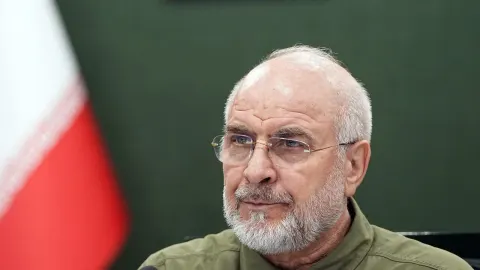
Adding to the prevailing sense of global unease, Iran's Islamic Revolution Guards Corps (IRGC) has issued a stern warning regarding potential retaliation against any attacks on its energy infrastructure. Brigadier General Hossein Mohebi, spokesperson for the IRGC, stated that any such aggression would face severe consequences. This statement comes amid heightened regional tensions and serves as a clear signal to potential adversaries about Iran's resolve to protect its critical assets. The rhetoric from Foreign Minister Abbas Araghchi, who responded to Israeli Prime Minister Benjamin Netanyahu by stating Iran also has 'unfinished jobs,' further underscores the precarious geopolitical climate.
These pronouncements highlight the persistent risks associated with the ongoing conflict in the Middle East. The threat to energy infrastructure, particularly in a region that is a major global oil producer, carries significant economic implications. Disruptions could lead to supply shortages, price spikes, and further volatility in international energy markets, impacting everything from shipping costs to inflation. For Iran, such threats and warnings are part of a broader strategic posture that influences its foreign relations, its economic planning, and the perception of its stability among international investors and trading partners. The market will be watching closely for any escalation or de-escalation in these tensions.

---
Wrestling Glory Amidst Global Turmoil
On a brighter note, Iran's U23 freestyle wrestling team has secured a significant victory, clinching the world title in Las Vegas. With four gold, one silver, and four bronze medals, the team amassed 180 points, demonstrating their prowess on the international stage. While this achievement is a source of national pride, it occurs against a backdrop of complex international relations and economic challenges.
This sporting success, while separate from direct market impacts, contributes to a nation's morale and international standing. In times of economic hardship and geopolitical tension, such victories can offer a welcome boost to public sentiment. It reminds us that national narratives are woven from diverse threads, including athletic achievement, even as the larger economic and political currents continue to shape daily life and market dynamics.
Frequently Asked Questions
Why are UK companies issuing so many profit warnings?
What does Anthropic's commitment to a 'public benefit fund' mean?
What is the significance of the IRGC's warning about energy infrastructure?
How do these global events affect the Iranian market?
Public Benefit Corporations and the Rise of AI‑Focused Public Benefit Funds
Public Benefit Corporations (PBCs) are a relatively new legal form that allows companies to pursue both profit and a stated public‑interest purpose. Unlike traditional corporations, which are legally obligated to maximize shareholder value, PBCs must consider the impact of their decisions on workers, the community, and the environment. This hybrid model gives firms a framework to embed social or environmental goals into their charter, while still operating under normal market pressures.
In the fast‑moving artificial‑intelligence sector, the public‑benefit model is gaining traction as a way to address concerns about bias, safety, and the broader societal effects of powerful AI systems. Anthropic’s recent pledge to allocate 5 % of its equity to a public‑benefit fund is a concrete example: the fund will be used to support research, safety work, and initiatives that aim to ensure AI development aligns with the public good. By tying a portion of ownership to a dedicated pool of resources, the company creates a financial incentive to prioritize responsible innovation.
The structure of a public‑benefit fund typically includes clear governance rules, such as independent trustees and transparent reporting requirements. This helps prevent the fund from becoming a mere marketing gimmick and ensures that the resources are directed toward measurable outcomes. For AI firms, this might involve funding open‑source safety tools, supporting policy research, or subsidizing access to AI technologies for underserved communities.
Adopting a PBC status or establishing a public‑benefit fund can also affect a company’s relationship with investors. Some venture capitalists are increasingly comfortable with “impact‑aligned” capital, seeing long‑term value in mitigating regulatory risk and building public trust. However, the dual mandate can create tension when short‑term profit pressures clash with longer‑term societal goals, requiring strong leadership and clear communication with stakeholders.
Overall, the public‑benefit corporate model offers a promising avenue for aligning the rapid advancement of AI with broader societal interests. As more firms like Anthropic adopt this approach, it could reshape how the tech industry balances innovation with responsibility, setting new standards for corporate purpose in the digital age.
Topics
Related Articles