Hanieh Rostamian Hits Top 5 Global Rank as UK Pushes for Hormuz Reopening
صعود هانیه رستمیان به رتبه ۵ جهان؛ فشار بریتانیا بر آمریکا برای بازگشایی تنگه هرمز
Iranian shooter Hanieh Rostamian has reached a career-high world ranking while diplomatic pressure mounts on the US to resolve the Strait of Hormuz crisis. Meanwhile, Iraq and Syria eye a pipeline revival to bypass the volatile shipping lane.
At time of publishing
USD
188,500
Toman
Gold 18K
18.48M
Toman / gram
Bitcoin
$64,091
US Dollar
Tether
188,704
Toman
Hanieh Rostamian Climbs to World Number Five
Iranian sports fans have a major reason to celebrate this hour as Hanieh Rostamian, the prominent pistol shooter, has officially climbed to the fifth spot in the women’s 10m air pistol category. According to the latest rankings released by the International Shooting Sport Federation (ISSF), Rostamian’s consistent performance on the international stage has propelled her into the elite top tier of global competitors. This achievement is not merely a personal milestone; it represents a significant boost for the profile of Iranian athletics during a period where positive international headlines for the country are often scarce.
For the domestic audience, Rostamian’s ascent serves as a reminder of the potential for Iranian talent to excel despite the logistical and financial hurdles often faced by national federations. Her success is expected to draw more attention to shooting sports in Iran, potentially attracting new sponsorships and government support for training facilities. In a broader context, such high-profile athletic success often translates into national pride, which can provide a brief but necessary psychological reprieve for a public currently navigating a complex economic landscape.

Diplomatic Push to Reopen the Strait of Hormuz
In a significant geopolitical development, UK Foreign Secretary David Miliband is reportedly preparing to meet with US Senator Marco Rubio to discuss the urgent need to reopen the Strait of Hormuz. Miliband has characterized the ongoing closure as a primary driver of "cost-of-living pressures" across Europe and the Middle East. The diplomatic effort highlights the growing desperation among Western allies to stabilize global energy markets and reduce the inflationary spikes that have plagued global economies throughout 2026. The meeting in Washington is seen as a pivotal attempt to harmonize US and UK policy regarding maritime security in the Persian Gulf.
For the Iranian market, these negotiations are being watched with extreme scrutiny. Any signal of a potential deal or a de-escalation in the Strait typically leads to immediate volatility in the currency markets. Today, the USD moved from 189,500 to 188,500 Toman, a decrease of 0.5%. This slight downward trend suggests that traders are cautiously optimistic—or at least hesitant—as they wait for the outcome of these high-level talks. If a breakthrough is achieved, it could lead to a more sustained strengthening of the Toman, though the structural issues of the economy remain a persistent headwind.
The Three-Year Plan: Bypassing Hormuz via Syria
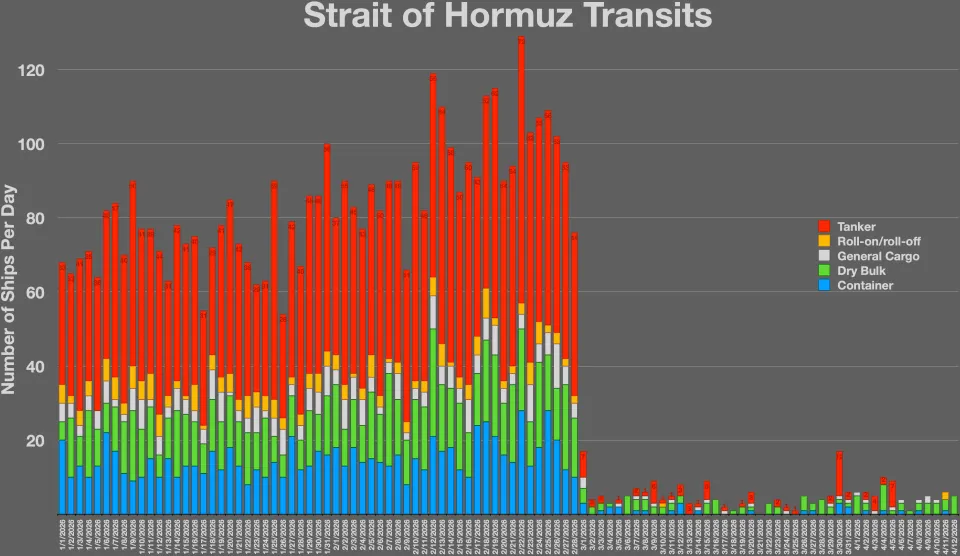
As the crisis in the Strait of Hormuz continues to disrupt global oil flows, Iraq and Syria have announced an ambitious plan to revive a long-dormant energy corridor. Syrian officials, including the CEO of the relevant state energy firm, have claimed that the pipeline running from Haditha in Iraq to the Syrian port of Baniyas could be fully operational within three years. This project aims to provide a direct outlet for Iraqi crude to the Mediterranean, effectively bypassing the strategic chokepoint of the Strait of Hormuz altogether. The revival of this infrastructure is a direct response to the vulnerability exposed by recent maritime blockades.
While the plan sounds promising for regional energy security, it faces massive hurdles, including the need for extensive repairs to infrastructure damaged during years of conflict and the complex task of securing the route through volatile territories. For the global energy market, a successful bypass would dilute the strategic leverage currently held by those who can threaten the Strait. For Iranian observers, this move signals a regional shift toward long-term independence from the Persian Gulf shipping lanes, which could alter the geopolitical weight of the region’s traditional powers over the next decade.
Market Realities: Gold Rises While AMD Stumbles
In the financial sector, the mood remains mixed as investors balance geopolitical risks with corporate earnings. In the local Tehran market, Gold 18k/gram rose from 18,214,137 to 18,479,615 Toman (+1.5%), reflecting a continued flight to safety among domestic savers. Even as the dollar saw a minor dip, the appetite for gold remains robust, driven by fears that the current diplomatic efforts in the Strait might not yield a permanent solution. This divergence between the dollar's slight retreat and gold's gain underscores the deep-seated uncertainty currently felt by Iranian investors.

On the global stage, tech giant AMD has seen its stock price falter despite a seemingly positive earnings report. Analysts point to three primary reasons for the decline: a "muted upside" in the company's future guidance, investor disappointment over margin outlooks, and the simple reality of impossibly high market expectations. This tech-sector cooling serves as a cautionary tale for those heavily invested in AI and hardware stocks, proving that even strong performance isn't always enough to satisfy a market that has already priced in perfection. For the broader global economy, the AMD slip suggests a period of consolidation may be ahead for the high-flying tech sector.
Frequently Asked Questions
How significant is Hanieh Rostamian's new world ranking?
Is the Iraq-Syria pipeline a realistic alternative to the Strait of Hormuz?
Why did the price of gold rise in Tehran while the dollar fell slightly?
The Strait of Hormuz: A Global Energy Chokepoint
The Strait of Hormuz, a narrow waterway connecting the Persian Gulf with the Arabian Sea and the Gulf of Oman, stands as one of the world's most strategically vital maritime chokepoints. Its geographical position makes it an indispensable conduit for a significant portion of the world's oil and liquefied natural gas (LNG) supplies. Understanding its role is crucial for grasping global energy dynamics and geopolitical tensions, as any disruption to its passage can send ripple effects across international markets and political landscapes.
Economically, the Strait's importance cannot be overstated. Roughly one-fifth of the world's total petroleum consumption and a substantial percentage of global LNG trade pass through this 21-mile-wide channel. This immense volume includes crude oil and refined products from major producers like Saudi Arabia, Iran, UAE, Kuwait, and Iraq. The reliance of major economies on these energy flows means that even the slightest threat of closure or disruption can trigger sharp spikes in global oil and gas prices, impacting everything from transportation costs to manufacturing expenses worldwide.
Geopolitically, the Strait of Hormuz is a constant flashpoint. Bordered by Iran to the north and Oman and the United Arab Emirates to the south, it has been at the center of numerous international disputes and security concerns. Iran has, at various times, threatened to close the strait in response to international sanctions or military pressures, underscoring its potential as a leverage point. International naval forces, including those from the United States and the United Kingdom, maintain a presence in the region to ensure the freedom of navigation, highlighting the global commitment to keeping this critical artery open.
Therefore, when headlines mention a push for its "reopening" or raise concerns about its security, it speaks to the deep-seated understanding among global powers that the unimpeded flow of energy through the Strait of Hormuz is fundamental to global economic stability and energy security. Its vulnerability makes it a barometer of regional tensions and a focal point for international diplomacy and military strategy, far beyond the immediate geography of the Middle East.
Topics
Related Articles