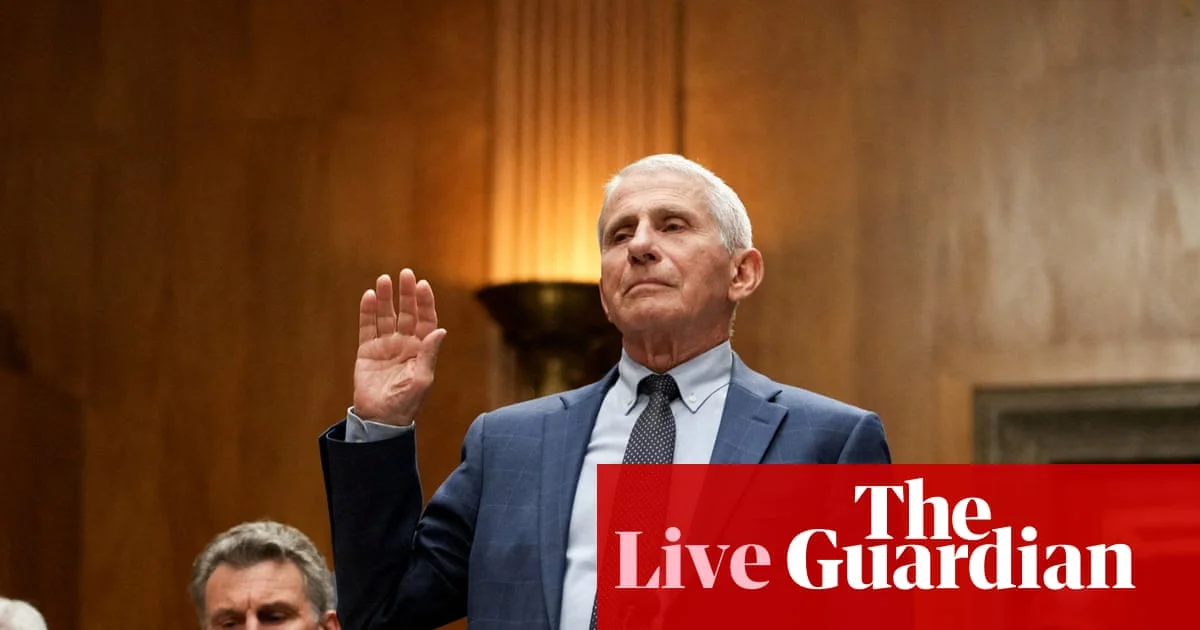
Fauci Held in Contempt by Senate Committee; US Layoffs Hit 1969 Lows as Iran Tightens Security Grip
رای کمیته سنا به توهین آنتونی فائوچی به کنگره؛ کمترین نرخ تعدیل نیرو در آمریکا از زمان فرود بر ماه
A US Senate committee has voted to hold Dr. Anthony Fauci in contempt of Congress following a heated hearing over COVID-19 origins. Meanwhile, US labor markets show historic strength with layoffs hitting a 50-year low, and Iran intensifies domestic security measures amid ongoing regional tensions.
At time of publishing
USD
187,400
Toman
Gold 18K
18.58M
Toman / gram
Bitcoin
$64,535
US Dollar
Tether
187,530
Toman
Senate Committee Escalates Legal Battle Against Anthony Fauci
In a move that underscores the deep political fractures in Washington, the Senate Homeland Security and Governmental Affairs Committee has officially voted to hold retired public health official Dr. Anthony Fauci in contempt of Congress. The decision follows a contentious hearing where Fauci repeatedly invoked the Fifth Amendment, citing concerns over potential self-incrimination and prosecution. This legal strategy, while a constitutional right, has fueled the Republican majority's narrative that the former NIAID director is withholding critical information regarding the federal government's handling of the COVID-19 pandemic and the origins of the virus.
While the committee's vote is a significant escalation, the path to a full criminal referral remains steep. With Republicans holding only 53 seats in the Senate, they fall short of the 60-vote threshold required to advance the resolution to the Department of Justice through standard procedures. However, figures like Senator Rand Paul have suggested alternative routes to pressure the DOJ into action. For the public, this represents more than just a legal skirmish; it is a symbolic battle over accountability and the transparency of scientific institutions during global crises. The outcome could set a precedent for how high-ranking officials interact with congressional oversight in the future.

US Labor Market Hits Historic Milestone as Layoffs Vanish
The American economy is currently defying traditional cooling expectations, with new data revealing that layoffs have plummeted to their lowest levels since 1969—the same year NASA put men on the moon. This extraordinary resilience in the labor market is driven by a unique combination of sustained consumer demand and a persistent labor shortage that has made companies extremely hesitant to let go of staff, even in the face of high interest rates. Jobless claims have reached a floor that hasn't been seen in over half a century, signaling that the much-anticipated "hard landing" for the US economy remains elusive.
For global markets, this strength is a double-edged sword. On one hand, it confirms the robustness of the world's largest economy; on the other, it provides the Federal Reserve with very little incentive to aggressively cut interest rates. As long as the labor market remains this tight, wage-driven inflation remains a theoretical risk, keeping the US Dollar strong against a basket of currencies. In the local Iranian market, this dollar strength has translated into a slight upward tick. The USD/IRR rate moved from 187,300 to 187,400 Toman (+0.1%) over the last 24 hours, reflecting the continued dominance of the greenback on the global stage.
Iran Intensifies Security Grip Amid Regional Uncertainty
Inside Iran, the atmosphere has become increasingly restrictive as the government tightens its security grip on the domestic front. Reports indicate an uptick in arrests, executions, and the closure of public gathering spaces, a move that rights groups and analysts interpret as an effort to maintain absolute control while "war conditions" with the US and its allies linger in the background. The government's strategy appears to be one of preemptive suppression, aiming to prevent any domestic dissent from surfacing during a period of high-stakes geopolitical maneuvering and economic strain.
This tightening of control often has a direct psychological impact on the national economy. When security measures intensify, public confidence typically wavers, leading to increased demand for hard assets. This is reflected in the gold market, where prices have seen a steady climb. The price of Gold 18k per gram rose from 18,555,796 to 18,584,653 Toman (+0.2%), while the Emami coin saw a more pronounced jump from 184,000,000 to 185,000,000 Toman (+0.5%). For the average Iranian citizen, these shifts are a reminder that domestic policy and regional security are inextricably linked to the value of their savings.
China’s Nuclear Surge Redefines Global Energy Leadership
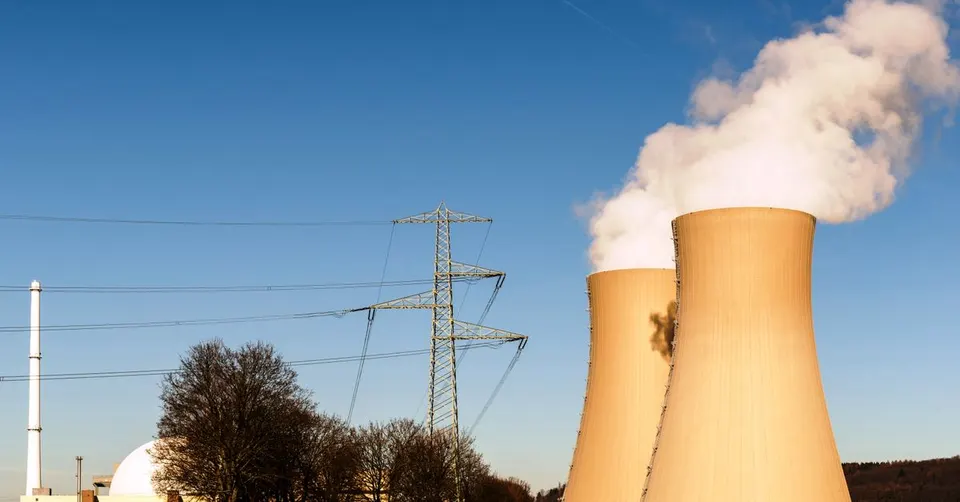
China has achieved a staggering feat in the energy sector, adding more nuclear power capacity over the last decade than the rest of the world combined. According to the latest Statistical Review of World Energy, global nuclear generation reached an all-time high in 2025, but this growth was almost entirely supplied by China. Without the massive expansion of Chinese nuclear plants, global output would have actually declined. This shift marks a transition from Western dominance in nuclear technology to a new era where Beijing dictates the pace of the global energy transition.
This massive investment in nuclear energy is not just about meeting carbon goals; it is a strategic move to ensure long-term energy security and reduce dependence on imported fossil fuels. As China continues to build out its nuclear fleet, its demand for oil and gas may plateau sooner than expected, which could have profound long-term consequences for oil-exporting nations in the Middle East. For now, the global energy market remains focused on immediate supply disruptions, but China's nuclear success story is the quiet undercurrent that will redefine global trade and geopolitical leverage in the coming decade.
Watch
BREAKING: Senate votes to hold Fauci in contempt of Congress
Fox News
Frequently Asked Questions
Why was Anthony Fauci held in contempt of Congress?
What does the 1969 layoff milestone mean for the US economy?
How is China's nuclear growth affecting the global oil market?
Understanding Initial Jobless Claims: A Key Economic Barometer
When headlines declare that "US Layoffs Hit 1969 Lows," they are often referring to a critical economic indicator known as Initial Jobless Claims. This weekly statistic measures the number of individuals who filed for unemployment benefits for the first time in the preceding week. It's a real-time snapshot of the health of the labor market, reflecting how many people are losing their jobs and seeking government assistance.
Initial jobless claims are highly valued by economists and policymakers because they serve as a leading economic indicator. Unlike some other economic data that might be backward-looking, these claims offer an immediate pulse on employer confidence and the pace of layoffs. A sustained increase in claims often signals a weakening economy and potential recession, as businesses cut back. Conversely, a consistent decline suggests a robust job market where employers are retaining staff and potentially hiring, indicating economic expansion.
The significance of "1969 lows" in initial jobless claims cannot be overstated. Such historically low numbers point to an exceptionally strong labor market, where layoffs are minimal, and job security is high. This environment typically fosters consumer confidence, encourages spending, and can lead to wage growth as companies compete for scarce labor. However, an extremely tight labor market can also contribute to inflationary pressures, as businesses might pass on higher labor costs to consumers.
Policymakers, including the Federal Reserve, closely monitor initial jobless claims to gauge the economy's momentum and inform decisions on monetary policy, such as interest rate adjustments. Investors also scrutinize this data for insights into corporate health and future economic performance, making it a crucial piece of the puzzle for understanding the broader economic landscape.
Topics
Related Articles