Israel Charges Settler in Activist's Death; SpaceX Shares Unlock; Bird Flu Hits Australia
اسرائیل یک شهرکنشین را به اتهام قتل فعال فلسطینی متهم کرد؛ سهام اسپیسایکس آزاد شد؛ آنفولانزای پرندگان در استرالیا
Israeli prosecutors have charged a West Bank settler in the death of a Palestinian activist, marking a rare indictment in the occupied territories. Meanwhile, early SpaceX employees are poised for a significant payday as shares unlock, and Australia grapples with an escalating bird flu outbreak impacting wildlife and local communities.
At time of publishing
USD
187,000
Toman
Gold 18K
18.54M
Toman / gram
Bitcoin
$64,766
US Dollar
Tether
187,401
Toman
Israel Charges Settler in Palestinian Activist's Death
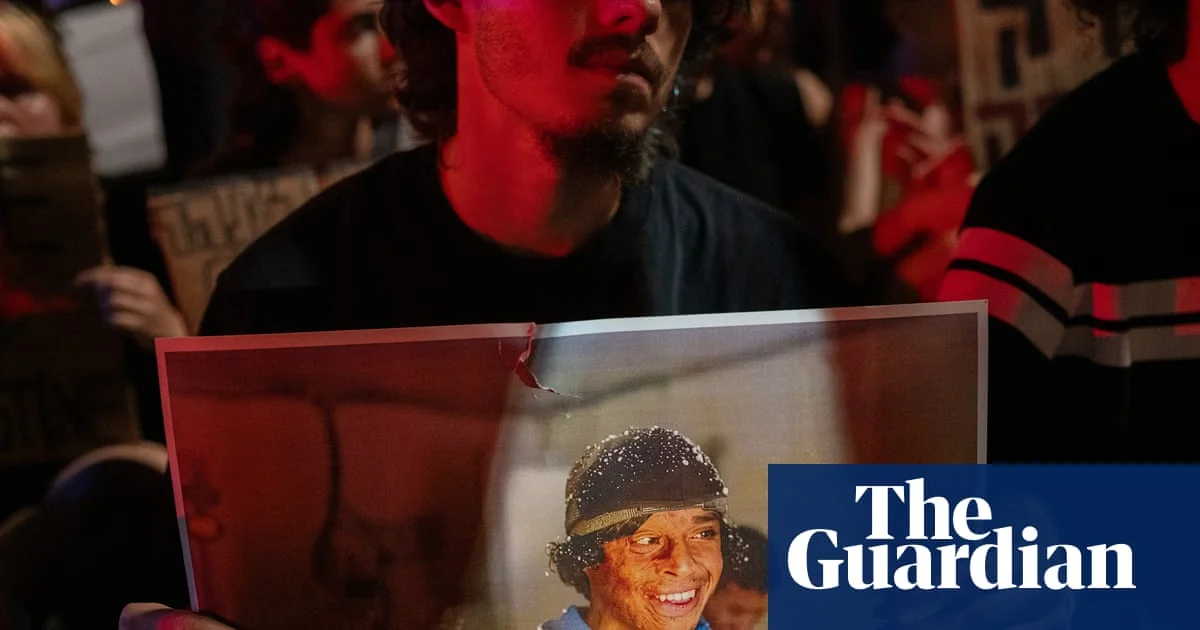
Israeli prosecutors have taken a significant step by charging a Jewish settler with reckless manslaughter in the death of Awdah Hathaleen, a renowned Palestinian activist and community leader. This indictment, the first of its kind in nearly three years concerning the killing of a Palestinian in the occupied West Bank, stems from an incident last year. Hathaleen was known for his involvement in the 2025 Oscar-winning documentary "No Other Land," which shed light on the challenges faced by Palestinians in the region.
The legal action against Yinon Levi, the accused settler, signifies a rare instance of accountability within the Israeli justice system for acts committed by settlers against Palestinians. Human rights organizations have long documented widespread violence by settlers, often with impunity, making this charge a point of contention and a potential indicator of shifting legal approaches. For the Palestinian community, this development, while long overdue, offers a glimmer of hope for justice, though many remain skeptical about the ultimate outcome of the trial and its broader implications for settler violence.
---
SpaceX Employee Windfall Amid Share Unlock
Early employees and investors of SpaceX are set to experience a significant financial event as a substantial number of company shares become available for trading. This unlocking of shares, occurring on Thursday, presents a potential multi-billion dollar windfall for those who have been with the private space exploration company since its inception or made early investments. Reports indicate that up to 911.5 million SpaceX shares could be unlocked, although a separate tranche of shares will remain locked due to the company's recent stock performance.
This event underscores SpaceX's continued private valuation and its trajectory as a highly sought-after, albeit private, asset. While the unlocking of shares offers liquidity and rewards for early stakeholders, it also comes at a time when the broader market for tech and growth stocks has experienced volatility. The success of SpaceX in achieving its ambitious goals, from satellite internet to lunar missions, has fueled its valuation, making this share unlock a closely watched moment for both employees and the wider investment community seeking exposure to the burgeoning space economy.
---
Australia Grapples with Bird Flu Outbreak
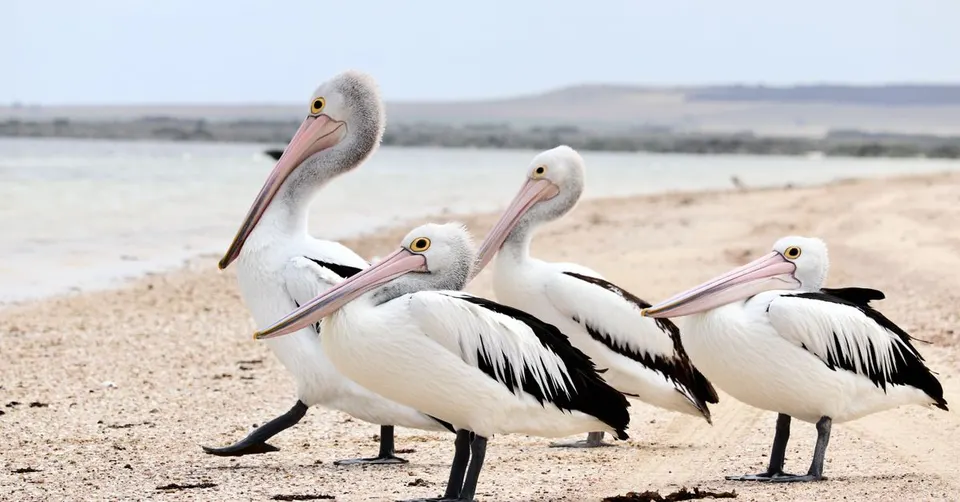
Australia is facing a growing crisis as the H5 bird flu strain has been detected and is beginning to impact wildlife populations, particularly on the Limestone Coast of South Australia. Residents in areas like Carpenter Rocks are already witnessing a distressing increase in encounters with sick and deceased birds, signaling the escalating spread of the highly pathogenic avian influenza. The detection, which occurred just three weeks ago, has prompted concern among locals and authorities alike about the potential for the virus to affect a wide range of species.
The situation highlights the ongoing global threat posed by avian influenza, which can have significant economic and ecological consequences. While the immediate focus is on wildlife and potential impacts on domestic poultry, the spread of bird flu also raises long-term questions about ecosystem health and the preparedness of public health systems to manage such outbreaks. As Australia braces for further spread, the distress among frontline communities like those on the Limestone Coast serves as a stark reminder of the tangible impacts of zoonotic diseases on both nature and human well-being.
---
Tesla and SpaceX Plan Massive Texas Chip Factory
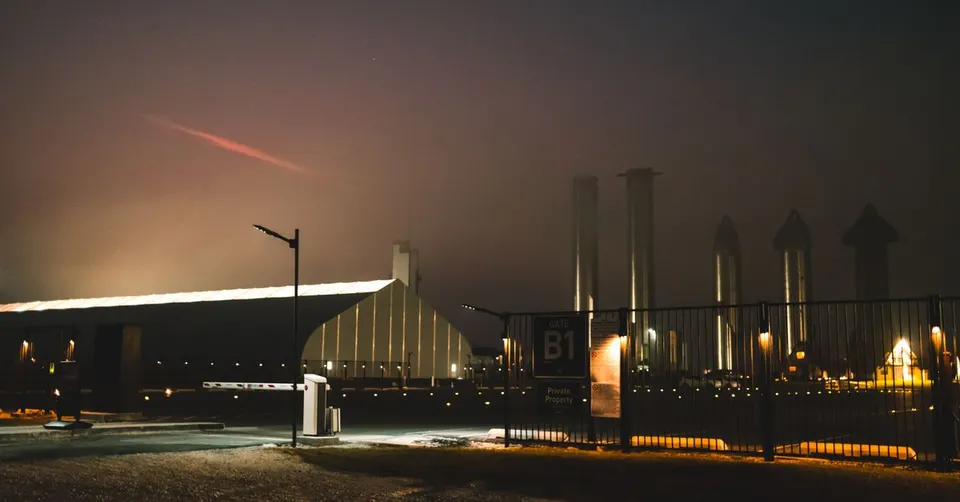
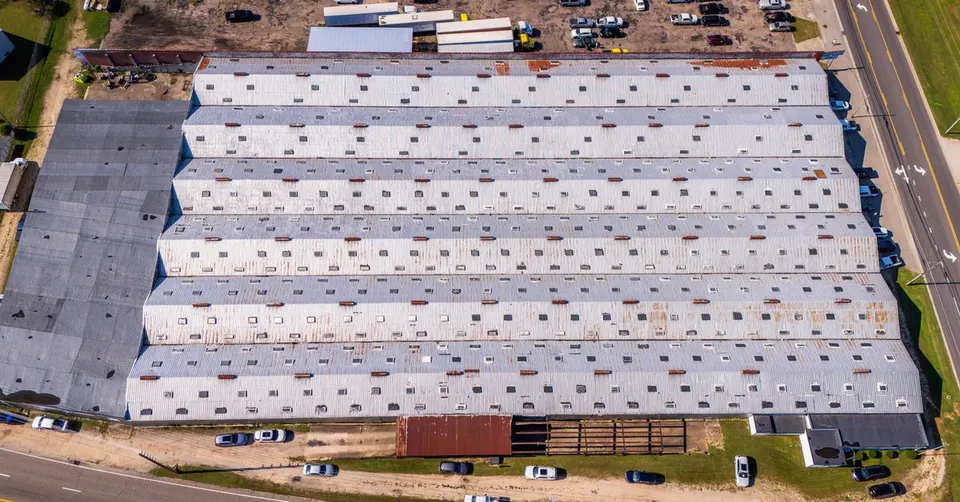
In a move set to bolster domestic semiconductor manufacturing, Tesla and SpaceX have formally announced plans to invest $16.8 billion in a new "Terafab" chip factory located just north of Houston, Texas. This colossal project, following months of speculation, signifies a major commitment by Elon Musk's ventures into the critical field of advanced chip production, aiming to reduce reliance on foreign supply chains.
The establishment of such a large-scale facility underscores the strategic importance of semiconductor independence for both the companies and the United States. By bringing chip manufacturing in-house, Tesla and SpaceX aim to secure a stable supply of essential components for their rapidly growing operations, potentially leading to faster innovation and cost efficiencies. This investment could also have ripple effects across the Texas economy, creating jobs and fostering a hub for advanced manufacturing in the region, while aligning with broader national efforts to strengthen domestic technological capabilities. The scale of the investment suggests a long-term vision for vertical integration and control over key technological resources.
Frequently Asked Questions
What is the significance of Israel charging a West Bank settler?
Why are SpaceX shares unlocking, and who benefits?
What are the immediate concerns regarding the bird flu outbreak in Australia?
What is the purpose of Tesla and SpaceX building a large chip factory in Texas?
Understanding Employee Stock Options and Private Company Liquidity
When headlines mention companies like SpaceX having their employee shares 'unlock,' it points to a crucial aspect of compensation in the tech and startup world: Employee Stock Options (ESOPs) and the unique challenges of liquidity in private companies. ESOPs are a form of equity compensation that gives employees the right, but not the obligation, to purchase a company's stock at a pre-determined price (the 'strike price') within a specified period. This mechanism is designed to align employee interests with the company's long-term success, as the value of their options grows if the company's valuation increases.
Typically, these options come with a 'vesting schedule,' meaning employees earn the right to exercise their options over time, often four years with a one-year 'cliff' (no options vest until after one year of employment). Once vested, employees can 'exercise' their options, purchasing the shares at the strike price. For publicly traded companies, these shares can then be sold on the open market, providing immediate liquidity. However, for private companies like SpaceX, the situation is more complex.
Since private companies are not traded on public stock exchanges, there isn't a readily available market for employees to sell their vested shares. This is where 'unlocking' events become significant. These events often refer to specific windows or opportunities – sometimes facilitated by the company itself, or through secondary markets – where employees can sell a portion of their shares to external investors, venture capitalists, or even other employees. Such opportunities provide much-needed liquidity for employees who might otherwise be holding valuable but illiquid assets. These secondary sales help employees realize gains from their hard work without waiting for a major liquidity event like an Initial Public Offering (IPO) or an acquisition.
Understanding ESOPs and private company liquidity is vital for anyone working in or investing in the startup ecosystem. It highlights how companies attract top talent, motivate performance, and eventually provide a pathway for employees to benefit financially from their contributions, even before the company goes public. The difference between a public company like Tesla, where employee shares are liquid after vesting, and a private one like SpaceX, where specific 'unlock' events are necessary, underscores the distinct financial realities of these different corporate structures.
Topics
Related Articles