
Boxer Charged in Athens Killing; Aramco Cuts Oil Prices Amid Hormuz Deal Hopes
بوکسور متهم به قتل در آتن؛ آرامکو قیمت نفت را با امید توافق هرمز کاهش داد
A boxer of Afghan origin has been charged in Athens with the murder of an aid worker, with his wife reportedly providing key details. Meanwhile, Saudi Aramco has deepened oil discounts for Asia, signaling potential shifts in regional energy dynamics as a deal for the Strait of Hormuz appears to be nearing completion.
At time of publishing
USD
187,000
Toman
Gold 18K
18.53M
Toman / gram
Bitcoin
$64,616
US Dollar
Tether
188,150
Toman
Boxer Charged in Athens Aid Worker Murder
Sharif Ahmadzai, a 26-year-old boxer from Afghanistan, has been formally charged with homicide with intent, robbery, and weapons offenses in connection with the killing of an aid worker in Athens. The breakthrough in the investigation reportedly came after his wife provided crucial details to the police, leading to his apprehension and subsequent charges. This development brings a measure of closure to the case but also highlights ongoing security concerns and the complexities of identifying perpetrators in international contexts.
This case underscores the challenges faced by law enforcement in tracking down individuals involved in violent crimes, particularly when they have crossed international borders. The involvement of a spouse in providing evidence against a partner is a significant and often difficult aspect of such investigations. For the aid community, the incident serves as a stark reminder of the risks faced by those working in challenging environments, even in perceived safe havens like Athens, and emphasizes the need for continued vigilance.
---
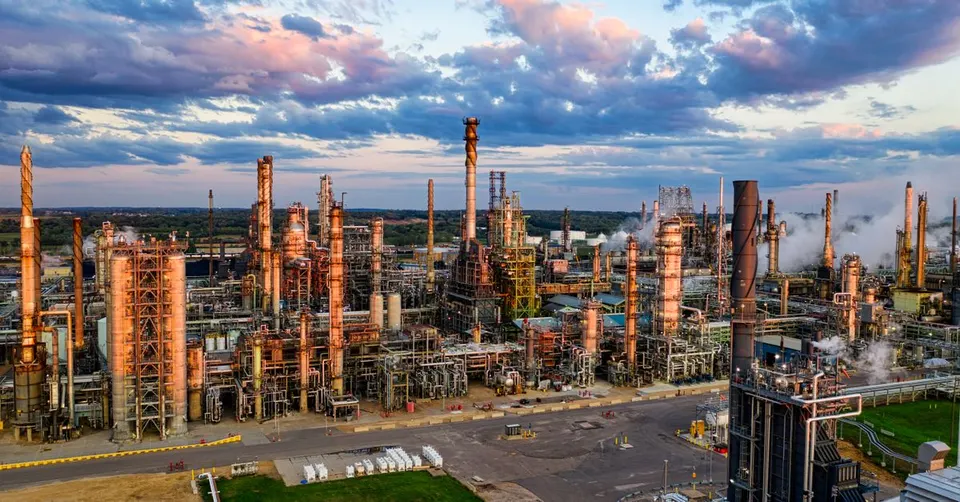
Aramco Deepens Asia Oil Discounts Amid Hormuz Deal Hopes
Saudi Aramco has further reduced its official selling prices (OSPs) for crude oil destined for Asian buyers for September delivery. The flagship Arab Light grade will see its price cut by 50 cents a barrel, placing it at a $2 discount to the regional benchmark. This move comes as market sentiment is increasingly influenced by expectations of a resolution regarding shipping through the Strait of Hormuz, a critical chokepoint for global oil trade. The deepening discounts suggest Saudi Arabia is keen to maintain market share and perhaps stimulate demand in Asia, even as broader geopolitical tensions persist.
The timing of these price cuts is significant. With Iran indicating that an agreement with Oman to facilitate smoother passage through the Strait of Hormuz is in its final stages, traders are betting on a potential easing of supply risks. Brent crude has already seen a notable decline, falling to around $80 per barrel. This strategy by Aramco, while seemingly counterintuitive during periods of potential supply disruption, could be aimed at securing long-term contracts and reinforcing its position as a reliable supplier, especially if the Hormuz situation stabilizes. The market will be closely watching how these discounts impact Asian refining margins and overall demand, as well as the actualization of any Hormuz transit deal.
---
Weak Energy Demand Signals Deeper Economic Woes
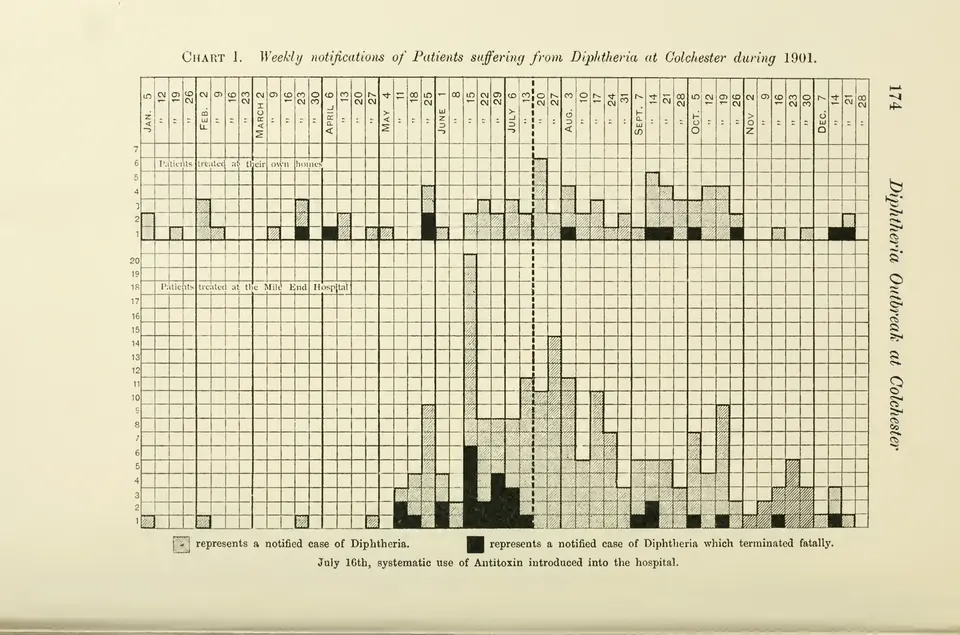
The persistent softness in global energy demand, even in the face of potential supply disruptions like those historically associated with the Strait of Hormuz, is raising red flags about the broader economic outlook. Despite the critical nature of the Hormuz shipping lane, oil prices have not seen a sustained surge, a departure from historical patterns. When adjusted for inflation, recent price spikes appear even less significant than in the past, suggesting that underlying demand is fundamentally weak. This trend, stretching back decades, has historically been a precursor to significant financial downturns.
This low demand scenario is more than just a blip; it points to potential structural issues within the global economy. Factors such as slowing growth in major economies, persistent inflation eroding purchasing power, and potentially the lingering effects of global supply chain disruptions could be dampening consumer and industrial energy consumption. The inability of even geopolitical flashpoints to significantly move energy prices underscores the depth of this demand-side weakness. Investors and policymakers will be watching closely to see if this trend continues, as it could signal a more prolonged period of economic stagnation or recession, impacting everything from corporate earnings to government revenues.
---
Diageo's Turnaround Plan: Doubling Guinness Production Amid Job Cuts
Diageo's new chief executive, Dave Lewis, has unveiled an ambitious strategic overhaul aimed at revitalizing the spirits giant. The plan includes a significant increase in Guinness production, potentially doubling output, alongside a substantial reduction in its global workforce of 30,000 employees. This decisive approach, earning Lewis the nickname "Drastic Dave," has been met with a positive market reaction, with Diageo's shares rising following the announcement. The move signals a clear intent to streamline operations and focus on core growth areas, even if it involves difficult workforce adjustments.
This strategic shift comes at a time when the consumer goods sector is navigating complex economic conditions, including fluctuating consumer spending and inflationary pressures. By concentrating on a flagship brand like Guinness and implementing cost-saving measures, Diageo aims to improve profitability and shareholder value. The market's initial approval suggests that investors believe Lewis's plan is the right medicine for the company's recent struggles. However, the success of this turnaround will ultimately depend on the execution of these plans, the ability to maintain brand loyalty during periods of change, and the broader economic environment impacting discretionary spending on premium beverages.

Frequently Asked Questions
What is the significance of Saudi Aramco deepening oil discounts for Asia?
Why is weak energy demand a concern for the global economy?
What is Diageo's new turnaround strategy?
What role did the boxer's wife play in the Athens murder investigation?
How are oil prices reacting to potential Hormuz deal developments?
The Geopolitical Significance of the Strait of Hormuz
The Strait of Hormuz is a narrow, strategically vital waterway connecting the Persian Gulf to the Arabian Sea and the wider Indian Ocean. It is arguably the world's most important oil transit choke point, a critical artery for global energy supplies. Flanked by Iran to the north and Oman's Musandam Governorate to the south, its narrowest point is just 21 nautical miles (39 km) wide, making it a highly sensitive and closely monitored maritime passage.
This strait's immense importance stems from the sheer volume of oil and liquefied natural gas (LNG) that passes through it daily. Approximately one-fifth of the world's total petroleum consumption, and roughly one-third of the world's seaborne oil, transits through the Strait of Hormuz. This includes nearly all of the crude oil exports from Saudi Arabia, Iran, Iraq, Kuwait, Qatar, and the United Arab Emirates. For major energy-consuming nations in Asia, Europe, and North America, the uninterrupted flow of resources through this strait is paramount to their economic stability and energy security.
Given its critical role, the Strait of Hormuz is a focal point of geopolitical tensions. Any disruption or threat of disruption in this waterway—whether due to regional conflicts, naval incidents, or political disputes—can send immediate shockwaves through global energy markets. Such events typically trigger sharp spikes in crude oil prices, impacting everything from transportation costs to consumer goods. Conversely, "Hormuz Deal Hopes," as mentioned in the headline, refer to diplomatic efforts or de-escalation initiatives that promise stability in the region, which can calm markets and potentially lead to decisions like Saudi Aramco's oil price cuts, reflecting reduced perceived supply risks.
Ensuring the free and safe passage of commercial vessels through the Strait of Hormuz is therefore a top priority for international powers and a constant concern for global policymakers. The strategic implications extend beyond oil, affecting global trade routes and the broader economic outlook. Its continued stability is not just an energy issue but a fundamental pillar of global economic predictability.
Topics
Related Articles