Hormuz Shipping Deal Nears Finalization as Alphabet Taps Bond Markets for AI War Chest
توافق نهایی برای بازگشایی تنگه هرمز؛ گوگل برای جنگ هوش مصنوعی وام میگیرد
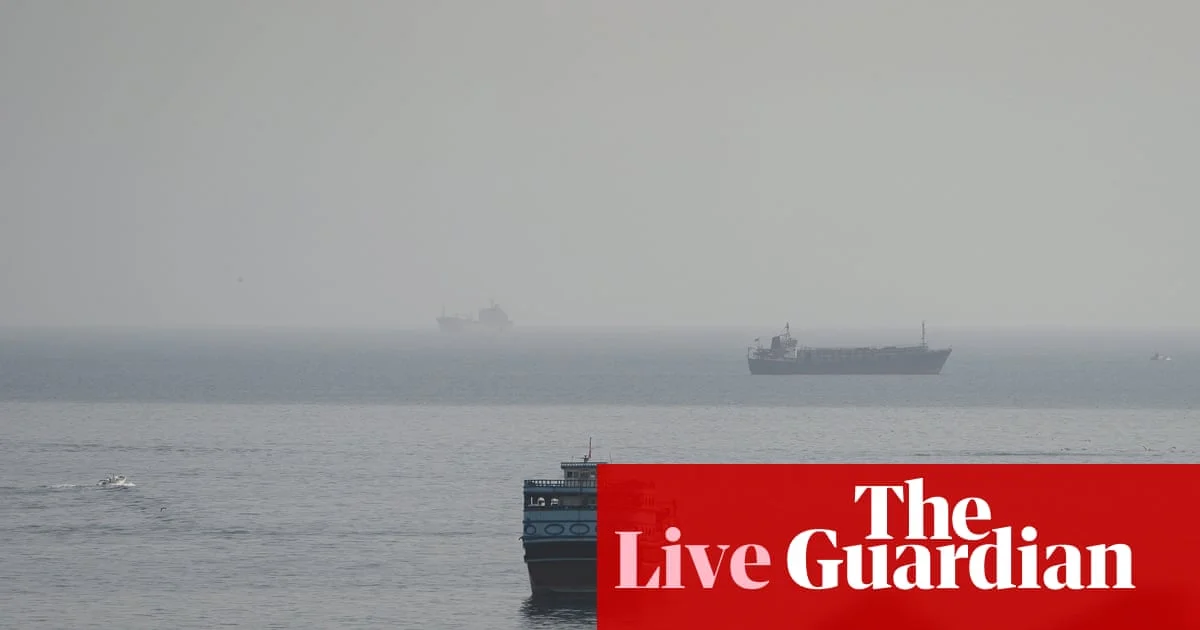
Iran and Oman have reportedly reached a breakthrough on shipping coordinates for the Strait of Hormuz, signaling a potential de-escalation in regional maritime tensions. Meanwhile, tech giant Alphabet is turning to the debt market to fund its massive AI infrastructure spending as competition intensifies.
At time of publishing
USD
187,000
Toman
Gold 18K
18.53M
Toman / gram
Bitcoin
$64,372
US Dollar
Tether
188,357
Toman
The Hormuz Breakthrough: A New Map for Regional Trade
In a significant geopolitical shift, Iranian officials and Omani mediators have reportedly finalized the technical coordinates for a reopened and stabilized shipping route through the Strait of Hormuz. This development comes as the so-called "Board of Peace," a body established under the Trump administration to oversee Gaza's reconstruction, issued its first major contract to Arkel International for a military outpost in the Palestinian territory. The convergence of these events suggests a highly pragmatic, albeit fragile, attempt to stabilize the world's most critical energy chokepoint while simultaneously managing the fallout from regional conflicts. The deal aims to provide clearer transit rules, potentially lowering the astronomical insurance premiums that have plagued tankers in recent months.
For the Iranian economy, the news has brought a moment of relative calm to the currency markets. The US Dollar (USD) moved from 187,300 to 187,000 Toman, a slight decrease of 0.2% in the last 24 hours. While the drop is marginal, it reflects a pause in the speculative fever that often accompanies maritime escalations. However, the domestic gold market remains mixed; while 18k gold dipped 0.2% to 18,525,786 Toman per gram, the Emami coin rose from 184,000,000 to 185,000,000 Toman (+0.5%). This divergence indicates that while the currency is stabilizing, local investors are still hedging against long-term inflation by holding physical assets.
---
Alphabet’s AI Hunger Drives It to the Bond Market
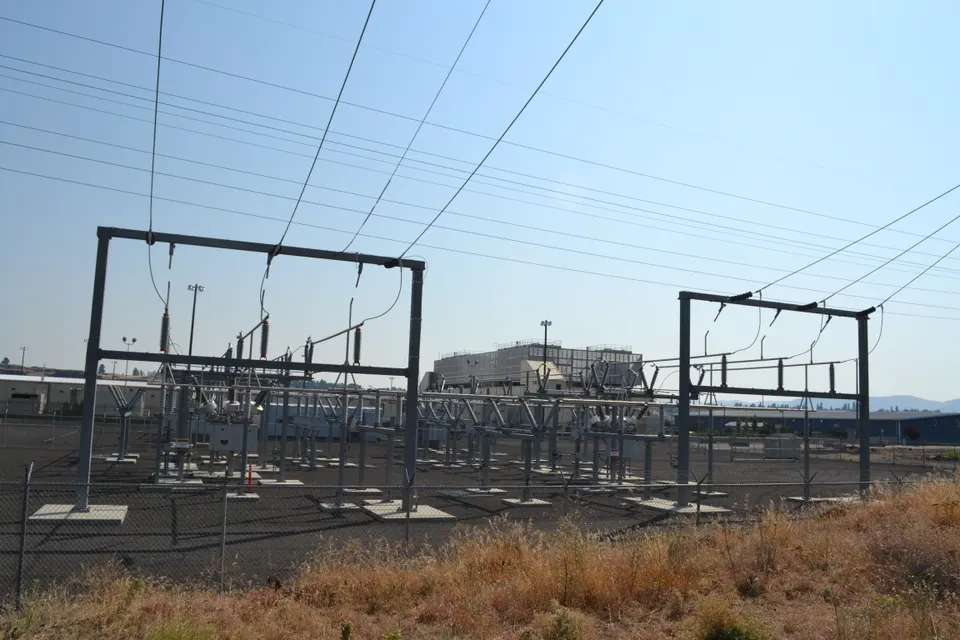
Alphabet, the parent company of Google, is making a strategic return to the bond market to raise fresh capital, a move necessitated by the staggering costs of the ongoing artificial intelligence arms race. Despite sitting on a massive cash pile, the company’s free cash flow is being increasingly consumed by capital expenditures related to data centers and custom AI chips. By issuing new debt, Alphabet aims to maintain its liquidity while ensuring it has the "war chest" required to compete with Microsoft and OpenAI. This move highlights a broader trend among Big Tech firms: the realization that the AI transition is not just a software battle, but a resource-heavy industrial undertaking that requires billions in hardware investment.
This trend is echoed in the venture capital space, where defense-tech startup Hadrian recently raised $1.37 billion at an $8 billion valuation. Hadrian’s focus on automated factories for defense parts underscores the growing intersection between AI, robotics, and national security. For investors, the message is clear: the next phase of tech growth is being built in physical space—through chips, power grids, and automated manufacturing—rather than just in the cloud. While memory-chip stocks like Sandisk have seen recent slumps, Micron has managed to claw back its losses, suggesting that the market is becoming highly selective about which hardware players will ultimately profit from the AI boom.
---
US Political Gridlock and the Global Defense Posture
Washington remains in a state of high friction as the Senate prepares for a five-week recess. The discharge of Senator Mitch McConnell from a rehabilitation center marks a return to some semblance of leadership for the GOP, but the legislative air is thick with tension. A recent contempt resolution against Dr. Anthony Fauci has further polarized the Senate, with Republicans pushing for DOJ intervention despite lacking the 60 votes required for a standard floor victory. This internal political theater is not just a domestic distraction; it complicates the US government’s ability to project a unified front on international trade and defense commitments, particularly as the 2026 election cycle begins to loom over policy decisions.
Compounding this domestic unease are comments from Donald Trump, who recently denied reports of a US weapons shortage while simultaneously threatening to "hunt down" leakers within the intelligence community. While official data on munitions remains classified, independent analysts suggest that years of regional conflicts and aid packages have strained the US industrial base. This perceived vulnerability is being watched closely by both allies and adversaries. If the US is forced to prioritize its own stockpiles, the geopolitical vacuum could lead to increased regional self-reliance, as seen in the recent Iran-Oman shipping negotiations which occurred with minimal direct Western participation.
---
Crypto Regulation: Russia’s Legal Pivot and the BTC Squeeze
In the world of digital assets, President Vladimir Putin has officially signed Russia’s first comprehensive crypto law, creating a regulated framework for digital asset trading under the supervision of the Central Bank. Crucially, the law maintains a ban on using cryptocurrencies for everyday domestic payments, positioning them instead as a licensed investment class or a tool for international trade settlement. This move is widely seen as an attempt to bypass Western financial sanctions while maintaining strict control over the domestic monetary supply. It represents a significant shift from Russia’s previous hostility toward the sector and mirrors a global trend of states attempting to co-opt blockchain technology for national interests.
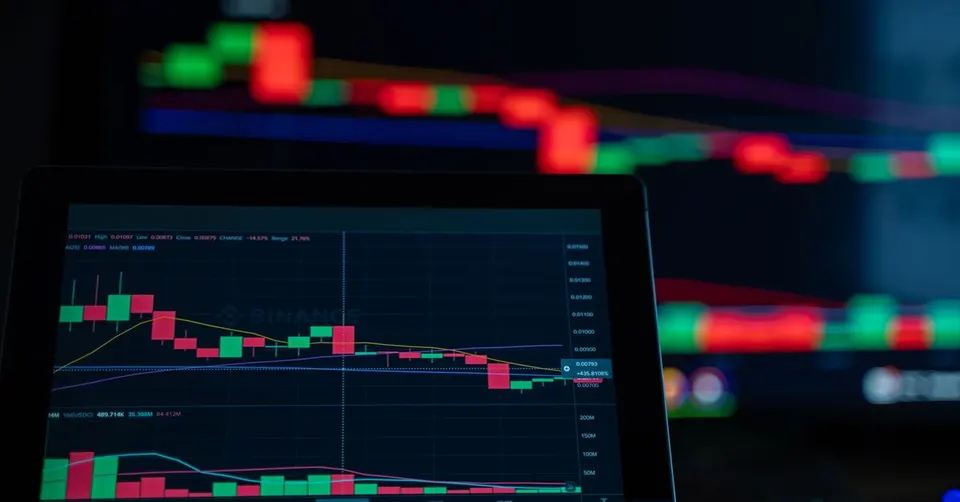
Meanwhile, Bitcoin (BTC) is currently trapped in a tight price squeeze between $63,000 and $66,000, currently trading at $64,372. The market is awaiting a catalyst, possibly from the US Senate where the CLARITY crypto bill is expected to face a vote this week. Senator Tim Scott has signaled that the bill will move forward, potentially providing the long-awaited regulatory roadmap for US-based crypto firms. Until this legislative clarity arrives, the market remains in a "wait-and-see" mode, with traders hesitant to take large positions. The growth of Tokenized Real-World Assets (RWAs), which have tripled in deposits to $7.4 billion over the past year, suggests that while the currency side of crypto is stagnant, the infrastructure for institutional finance is expanding rapidly.
Frequently Asked Questions
What are the key terms of the Iran-Oman shipping deal?
Why is Alphabet (Google) issuing debt despite its high cash reserves?
How does Russia's new crypto law affect everyday users?
Why the Strait of Hormuz Matters: A Global Energy Bottleneck
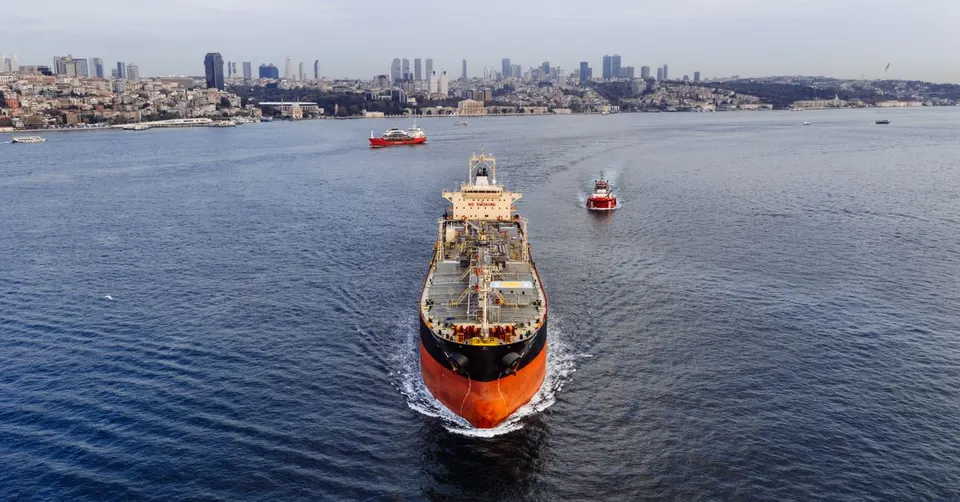
The Strait of Hormuz is a narrow waterway—about 21 nautical miles (39 km) wide at its tightest point—situated between the Persian Gulf coast of Iran and the Omani island of Ormuz. Despite its modest dimensions, it serves as the world’s most critical oil chokepoint, channeling roughly 20‑30 % of daily global petroleum trade. Roughly 18 million barrels of crude and condensate pass through the strait each day, along with a comparable volume of liquefied natural gas (LNG) and petrochemical products. Because the majority of Saudi Arabian, Kuwaiti, and Iraqi exports must transit Hormuz to reach Asian markets, any disruption instantly reverberates through global fuel prices.
Geopolitically, the strait sits at the intersection of rival regional powers. Iran, which controls the northern shore, has repeatedly threatened to close the passage in response to sanctions or perceived aggression, while the United States and its allies maintain a naval presence to ensure freedom of navigation. The Iran‑Oman maritime agreement—often discussed in the context of the broader Iran‑Oman diplomatic thaw—aims to establish a secure corridor for vessels, reducing the risk of accidental confrontations and providing a legal framework for joint patrols. Such agreements illustrate how diplomatic mechanisms can mitigate the strategic vulnerability of a chokepoint that is otherwise a flashpoint for conflict.
From an economic perspective, the strait’s importance is reflected in the pricing of oil benchmarks. The Brent‑Crude and WTI spreads can widen dramatically when market participants anticipate a Hormuz disruption, prompting higher freight rates and insurance premiums for tankers. Moreover, the USD/IRR exchange rate often reacts to news about Hormuz, as Iranian oil revenues (denominated in dollars) become uncertain, influencing the demand for foreign currency. Understanding this linkage helps investors and policymakers gauge how regional security events translate into macro‑economic variables.
Finally, the strait’s role extends beyond energy. It is a conduit for global trade in commodities, food, and manufactured goods, linking the Middle East to Europe, Africa, and Asia. Any prolonged closure would force ships to reroute around the Cape of Good Hope, adding up to 10,000 km to voyages and increasing shipping costs by 10‑15 %. This would ripple through consumer prices worldwide, underscoring why the stability of the Strait of Hormuz is a matter of global economic security.
Topics
Related Articles