
Million-Strong Arbaeen Return Strains Borders as Trump Re-Ignites Chip War with 15% Tariff
بازگشت میلیونی زائران اربعین از مرزهای خوزستان؛ شوک تعرفه ۱۵ درصدی ترامپ به بازار جهانی تراشه
Over one million pilgrims have returned to Iran via Khuzestan as the Arbaeen peak begins, while global markets react to Donald Trump's new 15% tariff on critical semiconductor materials. Meanwhile, Bitcoin remains stagnant near $64,000 as oil supply concerns and upcoming US jobs data keep investors on edge.
At time of publishing
USD
187,000
Toman
Gold 18K
18.64M
Toman / gram
Bitcoin
$64,462
US Dollar
Tether
187,672
Toman
The Great Return: Over 1 Million Pilgrims Cross Khuzestan Borders
As the Arbaeen pilgrimage reaches its concluding phase, the logistical pressure on Iran’s southwestern infrastructure has hit a fever pitch. According to the head of the Migration and Passport Police in Khuzestan, more than one million pilgrims have already re-entered the country through the province's border crossings this year. This massive influx represents a significant organizational challenge for the provincial authorities, who are managing transportation, health screenings, and security for a population equivalent to a major city moving through a handful of gates in just a few days.
For the Iranian economy, this period typically sees a temporary stabilization in the retail foreign exchange market as the peak demand for Dinars and Tomans for travel purposes begins to subside. However, the sheer volume of people requires an immense mobilization of state resources. While official channels celebrate the high turnout as a sign of religious fervor, the strain on local services in Khuzestan—a province already grappling with environmental and infrastructure issues—remains a point of concern for residents who face disrupted local commerce and overstretched public transport during the peak return window.

Trump’s 'Imperial' Trade Policy: 15% Tariff on Chip Materials
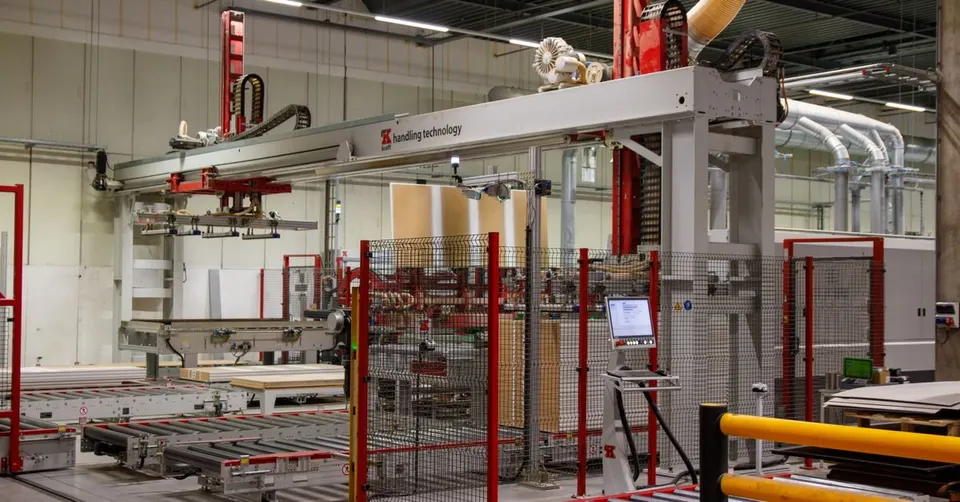
In a move that signals a darkening horizon for global tech supply chains, Donald Trump has imposed a fresh 15% tariff on key materials essential for semiconductor manufacturing. This policy is explicitly aimed at countering China’s growing dominance in the chip industry and protecting American firms from what the administration calls "unfair competition." The move is being framed by analysts as part of a broader shift toward an 'imperial presidency,' where executive power is used aggressively to reshape global trade without the traditional checks and balances from Congress or international trade bodies.
For the tech sector, this is a double-edged sword. While it may incentivize domestic production in the long run, the immediate impact is a rise in production costs for everything from smartphones to electric vehicles. For Iranian consumers, who rely heavily on electronic imports channeled through regional hubs like Dubai, these tariffs will inevitably trickle down. As global manufacturers hike prices to cover the 15% tariff on raw materials, the end-user price in Tehran’s mobile and computer markets is expected to rise, further squeezing a public already struggling with high inflation and a devalued Toman.
Crypto and Markets: Bitcoin Stalls as Oil Becomes a Headwind
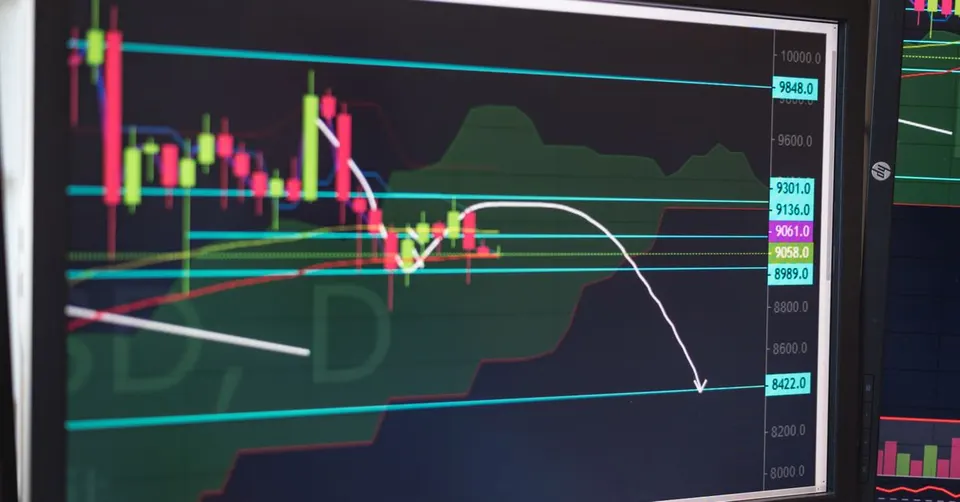
Bitcoin is currently trading at $64,462, showing almost no movement over the last 24 hours as it hits a wall of macroeconomic resistance. The primary culprit appears to be the energy market; Brent crude prices have climbed following a stalemate in talks regarding the Strait of Hormuz, reviving fears that persistent energy inflation will prevent the US Federal Reserve from cutting interest rates. This "higher for longer" interest rate environment is toxic for speculative assets like Bitcoin, which thrive when liquidity is cheap and plentiful.
In the local Iranian market, the price of the US Dollar has remained stable at 187,000 Toman (0.0% change), while 18k gold has seen a modest rise of 0.6%, moving from 18,525,786 to 18,641,211 Toman per gram. This divergence shows that while the currency is holding steady for the moment, investors are still hedging against global uncertainty by moving into gold. All eyes are now on the upcoming US payrolls report; a strong jobs print could further delay rate cuts, potentially pushing Bitcoin below the critical $64,000 support level and adding pressure to global risk appetite.
Big Tech Under Fire: Meta Fined $567m for Child Safety Failures
Geopolitical tensions aren't the only thing shaking the tech world; regulatory heat is also rising. Meta, the parent company of Facebook and Instagram, has been slapped with a $567 million fine in a landmark child safety ruling. This brings the total penalties in this specific case to nearly $942 million. The ruling underscores a global trend where governments are no longer willing to give social media giants a free pass on the social costs of their platforms, particularly regarding the protection of minors from harmful content and data exploitation.
While this fine is a drop in the bucket for a company with Meta's balance sheet, the precedent it sets is significant. It signals that the era of self-regulation for Big Tech is effectively over. As Western regulators tighten the screws, we may see a ripple effect where other nations, including those in the Middle East, adopt similar stringent frameworks. For users, this could mean more intrusive age verification processes and changes to how algorithms serve content, as platforms prioritize legal compliance over pure engagement metrics to avoid billion-dollar penalties.
Frequently Asked Questions
How does the Arbaeen return affect the price of the Toman?
Why is Trump targeting chip materials with a 15% tariff?
Why is the price of oil preventing Bitcoin from rising?
The Geopolitics of Tariffs and Trade Wars in the Semiconductor Era
Tariffs, at their core, are taxes imposed by a government on imported goods or services. Historically, they've served multiple purposes: generating revenue for the state, protecting nascent domestic industries from foreign competition, or as a tool to correct perceived unfair trade practices. When a country levies a tariff, it makes imported goods more expensive, theoretically encouraging consumers to buy domestically produced alternatives and boosting local businesses. However, this seemingly straightforward economic tool often carries complex repercussions.
The imposition of tariffs can frequently escalate into what is known as a trade war. This occurs when one nation's tariffs provoke retaliatory tariffs from its trading partners, leading to a cycle of escalating protectionist measures. The motivations behind such actions can range from economic nationalism – a desire to prioritize domestic industries and jobs – to strategic competition, especially in critical technological sectors. The recent "chip war" mentioned in the headline exemplifies this, where tariffs on semiconductors are not just about economics, but about controlling a foundational technology vital for everything from smartphones to military systems.
In the context of the semiconductor industry, tariffs can have profound and far-reaching effects on the global supply chain. Semiconductors are highly complex products, often designed in one country, manufactured in another, and assembled elsewhere, relying on a delicate web of specialized inputs and expertise. Tariffs on these crucial components can disrupt this intricate process, increasing production costs, slowing innovation, and potentially forcing companies to reconfigure their supply chains at great expense and risk. This can lead to higher prices for consumers and a reduction in the availability of essential electronic goods.
Ultimately, while tariffs are intended to protect domestic interests, trade wars often result in a net negative for all parties involved. They can lead to reduced global trade volumes, slower economic growth, and increased geopolitical tensions. For consumers, the outcome is often fewer choices and higher prices. Understanding tariffs and their potential to ignite trade wars is crucial for comprehending the dynamics of the global economy and the strategic competition playing out in vital sectors like technology.
Topics
Related Articles