Trump Targeted by Windfall Tax Demands as Oil Giants Profit from Iran Conflict; Hormuz Shipping Plummets
فشار بر ترامپ برای وضع مالیات بر سود بادآورده غولهای نفتی؛ سقوط تردد در هرمز و جهش قیمت طلا
President Trump faces mounting pressure to impose a windfall tax on oil giants like ExxonMobil and Chevron as they report massive profits amid the ongoing conflict with Iran. Meanwhile, a new 15% tariff on Chinese polysilicon and a sharp drop in Strait of Hormuz shipping traffic are rattling global supply chains and driving local gold prices higher.
At time of publishing
USD
187,000
Toman
Gold 18K
18.68M
Toman / gram
Bitcoin
$64,839
US Dollar
Tether
188,086
Toman
The Politics of Profit: Trump’s Oil Dilemma
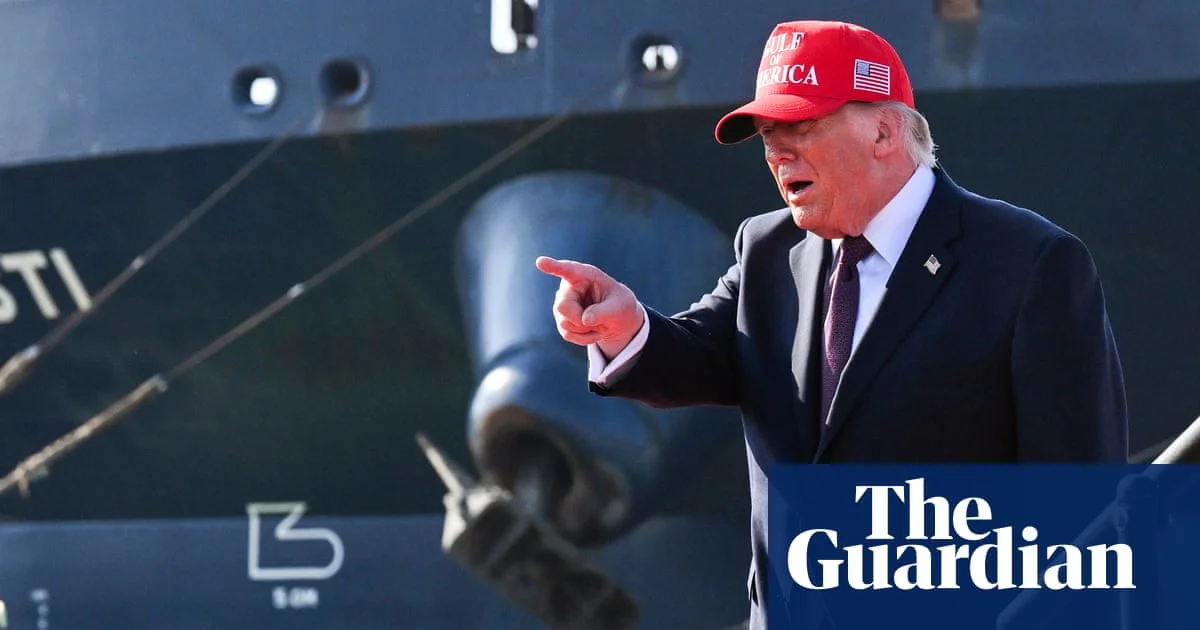
President Donald Trump is currently navigating a political firestorm as consumer advocacy groups and environmentalists demand a windfall profits tax on major oil corporations. The outcry follows recent financial reports from ExxonMobil and Chevron, which showed massive earnings fueled by the volatility of the ongoing conflict with Iran. While Trump himself remarked that the industry is making "too much money," critics point out that his own administration's policies and the escalation of regional tensions have been the primary catalysts for these record-breaking margins. For the average consumer, these profits represent a direct transfer of wealth from the pump to corporate boardrooms.
Public Citizen and other advocates argue that if the president truly believes oil companies are over-earning, he must back his rhetoric with legislative action. The irony is not lost on observers; the very 'war of choice' against Iran that has destabilized global energy markets is now being cited as a reason to penalize the companies benefiting from it. For Iranian observers, this political friction in Washington signals that the economic consequences of the regional standoff are becoming a domestic liability for Trump, potentially forcing a shift in how the U.S. manages energy prices and sanctions in the coming months.
Tech War Escalates: The 15% Polysilicon Tariff
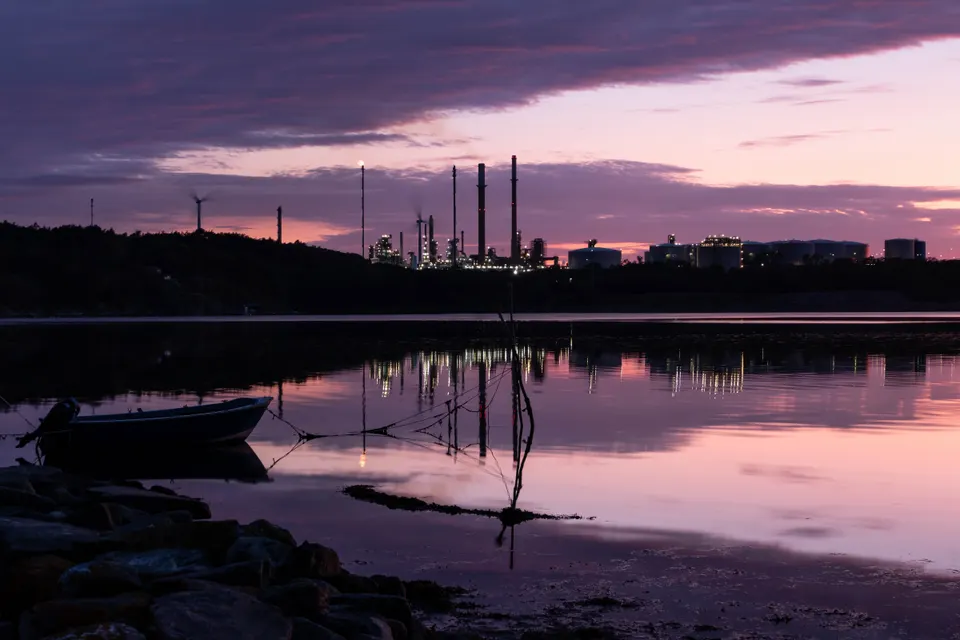
In a move that further complicates the global trade landscape, the Trump administration has ordered a new 15% tariff on imported products containing polysilicon, a critical material for solar panels and microchips. This levy specifically targets supply chains dominated by China, which produces the vast majority of the world's polysilicon. By implementing this tax, effective December 4, the U.S. aims to decouple its high-tech infrastructure from Beijing and encourage domestic manufacturing. However, industry experts warn that this could lead to immediate price hikes for consumer electronics and renewable energy projects in the short term.
This policy shift is particularly significant for the global AI race. As microchip manufacturing becomes the frontline of geopolitical competition, these tariffs act as a double-edged sword: they protect U.S. interests but also risk slowing down the deployment of green energy and advanced computing. For the Iranian market, which often relies on Chinese-integrated technology and secondary markets for hardware, these global price pressures will likely trickle down, making high-end tech more expensive and harder to source as the U.S.-China rift widens.
---
Hormuz Bottleneck and the Flight to Safety
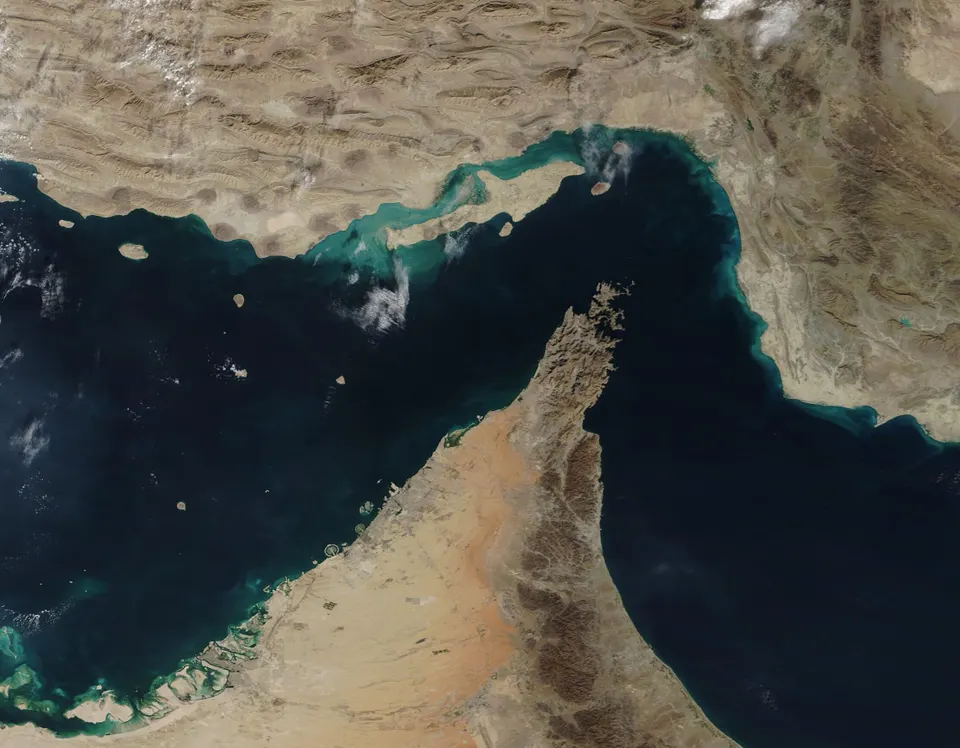
Physical reality is catching up with geopolitical rhetoric in the Persian Gulf. Shipping traffic through the Strait of Hormuz has seen a dramatic decline this week, with only 33 vessels transiting between Monday and Thursday, compared to 50 during the same period last week. This sharp drop-off reflects the extreme caution exercised by global shipping firms as tensions between the U.S., Israel, and Iran remain at a boiling point. The uncertainty surrounding a potential draft proposal for managing the waterway has left many captains and insurance underwriters unwilling to risk the transit, effectively slowing the flow of oil and liquefied natural gas (LNG) to global markets.
This contraction in supply and the general atmosphere of risk have had a direct impact on local markets. In Tehran, the price of 18k gold rose from 18,525,786 to 18,678,147 Toman, a 0.8% increase over the last 24 hours. While the USD/IRR remained flat at 187,000, the movement in gold suggests that investors are seeking a hedge against potential escalations. As long as the 'chokepoint' of the global economy remains under threat, the premium on safe-haven assets like gold will likely persist, reflecting a lack of confidence in immediate diplomatic resolutions.
---
Nuclear Sites and Defensive Resilience
Despite the ongoing conflict, new assessments of Iran’s three key nuclear sites suggest that the program has been slowed but not entirely halted by recent military and cyber pressures. Experts and officials indicate that the decentralized nature of these facilities makes them highly resilient to external disruptions. This technical persistence serves as a backdrop to the broader geopolitical theater, where the U.S. is pushing for a naval mission in the Hormuz region, a move that several European allies like France and the UK are reportedly hesitating to join for fear of further escalation.
At the same time, lessons in resilience are being drawn from unexpected places. Japan’s success in reducing fatalities during recent major earthquakes through advanced engineering and community training offers a stark contrast to the destruction seen in conflict zones. For policy-makers in the Middle East, the Japanese model highlights the importance of infrastructure investment over military spending. However, as long as the focus remains on the immediate threat of war and the resulting windfall profits of energy giants, long-term civil resilience remains a secondary priority in the global headlines.
Frequently Asked Questions
Why is Trump being asked to impose a windfall tax on oil companies?
How will the 15% polysilicon tariff affect the average consumer?
What is causing the decrease in shipping through the Strait of Hormuz?
Understanding Windfall Taxes on 'Excess' Profits
A "windfall tax" is a one-off tax levied by a government on companies that have experienced a sudden, unexpected, and significant increase in profits, often due to circumstances beyond their control or their own strategic efforts. These profits are typically seen as "unearned" or "excessive" because they arise from external events like geopolitical conflicts, natural disasters, or sudden shifts in supply and demand, rather than innovative business practices or increased efficiency. The idea behind a windfall tax is to reclaim a portion of these extraordinary profits for the public good, particularly when they result from crises that burden consumers.
The rationale for imposing a windfall tax often revolves around fairness and equity. Proponents argue that when essential goods or services, such as energy, become dramatically more expensive due to external shocks, leading to massive profits for certain companies while consumers struggle with higher costs, it's justifiable for the government to intervene. The revenue generated can then be used to fund public services, alleviate consumer burdens, or invest in long-term solutions. Historically, such taxes have been applied to energy companies during oil price surges, banks during financial crises, or even arms manufacturers during wartime.
However, windfall taxes are not without controversy. Critics argue that they can deter investment, particularly in capital-intensive industries like oil and gas, by creating uncertainty and reducing the incentive for companies to expand production or explore new resources. They contend that such taxes can be arbitrary, difficult to define (what constitutes "excessive" profit?), and may discourage risk-taking. Furthermore, companies might argue that their profits are a natural result of market dynamics and that they bear significant risks, justifying higher returns during boom periods to offset losses during busts. The debate often balances the immediate need for public relief against the long-term health and investment climate of key industries.
Topics
Related Articles