Trump Signals War's End as Hormuz Diplomacy Triggers Sharp Oil Price Plunge
سیگنال ترامپ برای پایان جنگ؛ ریزش قیمت نفت در پی گمانهزنیها از بازگشایی هرمز
Donald Trump declares the regional conflict 'can’t go much longer' as secret talks over the Strait of Hormuz send oil prices tumbling. Meanwhile, Bitcoin struggles to hold $65,000 amid record-breaking futures volatility on Binance.
At time of publishing
USD
187,000
Toman
Gold 18K
18.68M
Toman / gram
Bitcoin
$64,983
US Dollar
Tether
187,602
Toman
The Hormuz Breakthrough: Diplomacy vs. Defensive Bills
As of 15:00 Tehran time, the geopolitical landscape is shifting rapidly following comments from Donald Trump suggesting that the current regional conflict "can’t go much longer." This rhetorical shift comes at a critical juncture as reports from Al Jazeera and other outlets indicate that Tehran is simultaneously weighing a legislative bill that would formally bar United States and Israeli vessels from transiting the Strait of Hormuz. This dual-track reality—of potential diplomatic resolution versus legislative escalation—has kept the Iranian Rial remarkably steady at 187,000 Toman per USD, reflecting a market that is currently holding its breath for a definitive signal.
Behind the scenes, Oman appears to be acting as the primary mediator in a deal that would see Iran and Oman split control of the shipping lanes. Under the proposed framework, Tehran would oversee inbound traffic while Muscat manages outbound vessels. However, the friction point remains the same: Iran is reportedly demanding significant sanctions relief in exchange for guaranteed toll-free passage for international tankers. The White House remains publicly opposed to giving Iran formal control over these international waters, but the urgency of Trump's recent statements suggests that the "escalation trap" identified by political analysts may finally be forcing a policy pivot toward de-escalation.
Oil Markets Tumble on Peace Speculation
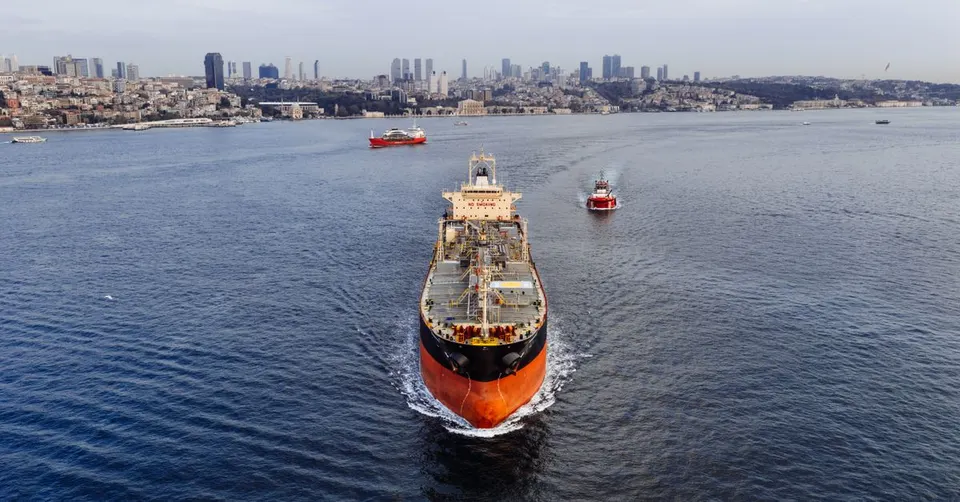
The impact of these diplomatic whispers was felt immediately in the energy markets. September WTI crude oil futures plummeted by over 10% this week, trading near $78.08 after hitting highs above $82. This sharp correction reflects a "sell the rumor" mentality among traders who are beginning to price in a potential breakthrough in the Hormuz shipping crisis. If the Strait were to fully reopen under a stable agreement, the immediate influx of supply and the removal of the "war premium" could send prices even lower, providing a much-needed cooling effect on global inflation but complicating the revenue outlook for regional producers.
In the domestic Iranian market, the reaction has been more nuanced. While the USD/IRR rate remained flat at 187,000, the price of 18k gold rose from 18,525,786 to 18,675,839 Toman (+0.8%). This divergence suggests that while currency traders are waiting for political clarity, retail investors are still flocking to gold as a hedge against the underlying volatility of the negotiations. The global gold price, currently at $4,325.40 per ounce, continues to exert upward pressure on local coins, with the Emami coin holding firm at 185,000,000 Toman despite the fluctuations in the energy sector.
---
Crypto Volatility and the Binance Divergence
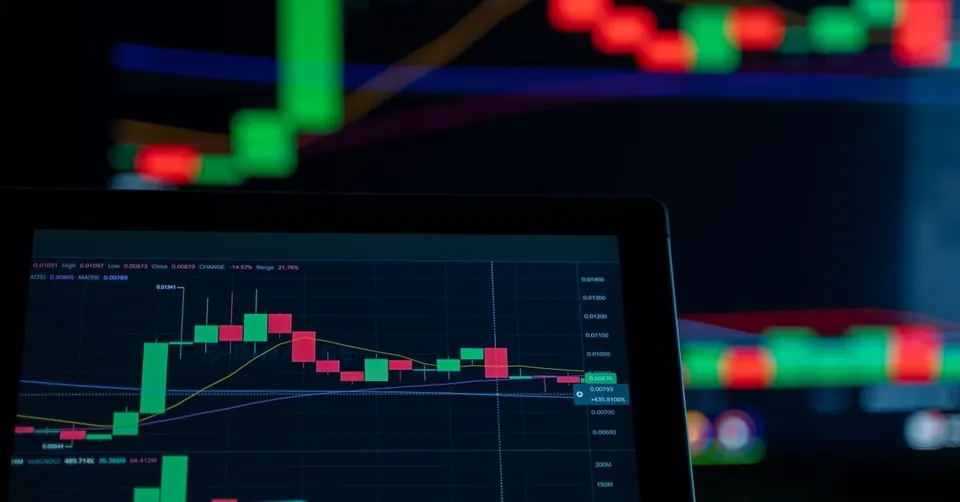
Bitcoin is currently struggling to maintain its footing above the $65,000 psychological barrier, hovering at $64,983 as Middle East tensions remain the primary driver of risk sentiment. A fascinating development has emerged on Binance, where the ratio of futures trading to spot trading has hit a record high, with futures volume outweighing spot by eight times. This suggests that the current price action is being driven almost entirely by speculative leverage rather than long-term accumulation. For Iranian traders using USDT (currently priced at 187,602 Toman), this environment demands extreme caution, as high-leverage liquidations could trigger sharp, short-term price swings regardless of the broader geopolitical trend.
Adding to the complexity is the broader market volatility in the tech sector. Analysts at Interactive Brokers have noted that S&P 500 options activity is increasingly influencing high-growth sectors like memory stocks, creating a spillover effect into the crypto markets. Kevin O’Leary, often known as "Mr. Wonderful," recently highlighted that the success of AI and crypto in this environment depends on focus and execution, but for the average investor, the message is clear: the market is currently in a "wait and see" mode. Until a formal agreement on the Strait of Hormuz is signed or the US payroll data provides a new macro catalyst, expect Bitcoin to continue its range-bound behavior with high localized volatility.
---
UK Migration Crackdown and Global Labor Shifts
While the Middle East remains the focal point, significant policy shifts are occurring in Europe that may affect the Iranian diaspora. The UK’s Labour government has announced a surge in arrests and deportations of individuals working illegally, with figures showing a doubling of enforcement actions compared to previous years. This move, part of a broader "UK politics live" update, signals a hardening stance on migration that mirrors the populist rhetoric seen in the US. For those looking at international markets or migration as an economic escape, the tightening of borders in traditionally "welcoming" countries like Britain represents a shrinking window of opportunity.
This crackdown is not just about border security; it is an economic play. By tightening the labor market, the UK government hopes to force a transition toward higher-productivity domestic labor, though the immediate impact is often increased costs for businesses. This mirrors the global trend of economic nationalism, where countries are prioritizing internal stability over global integration. Whether it is Trump’s tariffs or Labour’s deportations, the world of 2026 is becoming increasingly fragmented, making local asset preservation in gold and hard currency more vital than ever for the average Iranian household.
Frequently Asked Questions
Why did oil prices drop if the Strait of Hormuz is still contested?
What does the high futures-to-spot ratio on Binance mean for Bitcoin?
How is the Iranian gold price rising while the Dollar remains stable?
The Strait of Hormuz: A Global Oil Choke Point
The Strait of Hormuz is one of the world's most critical maritime passages, acting as a narrow, strategic waterway connecting the Persian Gulf to the Arabian Sea and beyond. It is bordered by Iran to the north and Oman's Musandam Governorate to the south. Its geographical significance stems from its role as the sole sea passage for vast quantities of oil from major Middle Eastern producers—including Saudi Arabia, Iran, Iraq, Kuwait, Qatar, and the UAE—to markets across the globe. Estimates suggest that roughly one-fifth of the world's total petroleum consumption, and a third of all seaborne traded oil, passes through this strait daily, making it an indispensable artery for global energy supply.
This makes the Strait of Hormuz a classic example of a "choke point" in geopolitics and energy security. A choke point is a geographical feature, such as a narrow channel or a mountain pass, that forces traffic into a constricted route, making it highly vulnerable to disruption. Any significant disruption in the Strait of Hormuz, whether due to military conflict, political tension, or even a major shipping accident, has the potential to severely restrict the flow of oil, leading to immediate and dramatic spikes in global oil prices. Such events can send shockwaves through international markets, impacting everything from transportation costs to manufacturing expenses and consumer prices worldwide.
Conversely, when diplomatic efforts alleviate tensions in the region, as suggested by the headline's mention of "Hormuz Diplomacy," the perceived risk to oil supply diminishes. This reduction in geopolitical uncertainty often translates directly into lower oil prices, as the market anticipates a stable and uninterrupted flow of crude. The headline's reference to a "sharp oil price plunge" following signals of "war's end" perfectly illustrates this dynamic: reduced risk equals increased supply confidence, leading to falling prices. Understanding the Strait of Hormuz's strategic importance is therefore crucial for anyone seeking to comprehend the volatility of global energy markets and the intricate interplay between geopolitics and economics.
Topics
Related Articles