AI-Designed Viruses Spark Bio-Security Fears; Trump AG Nominee Falters as Gold Surges
طراحی ۱۶ ویروس جدید توسط هوش مصنوعی و بحران در تایید دادستان ترامپ؛ جهش ۱.۶ درصدی طلا
Scientists have utilized AI to design 16 entirely new viruses, raising urgent questions about the speed of technological advancement versus global regulation. Meanwhile, US airfares remain stubbornly high despite talk of an Iran ceasefire, and gold prices in Tehran jump 1.6% following a massive miss in US jobs data.
At time of publishing
USD
186,700
Toman
Gold 18K
18.82M
Toman / gram
Bitcoin
$65,111
US Dollar
Tether
186,799
Toman
The Brave New World of AI-Generated Pathogens
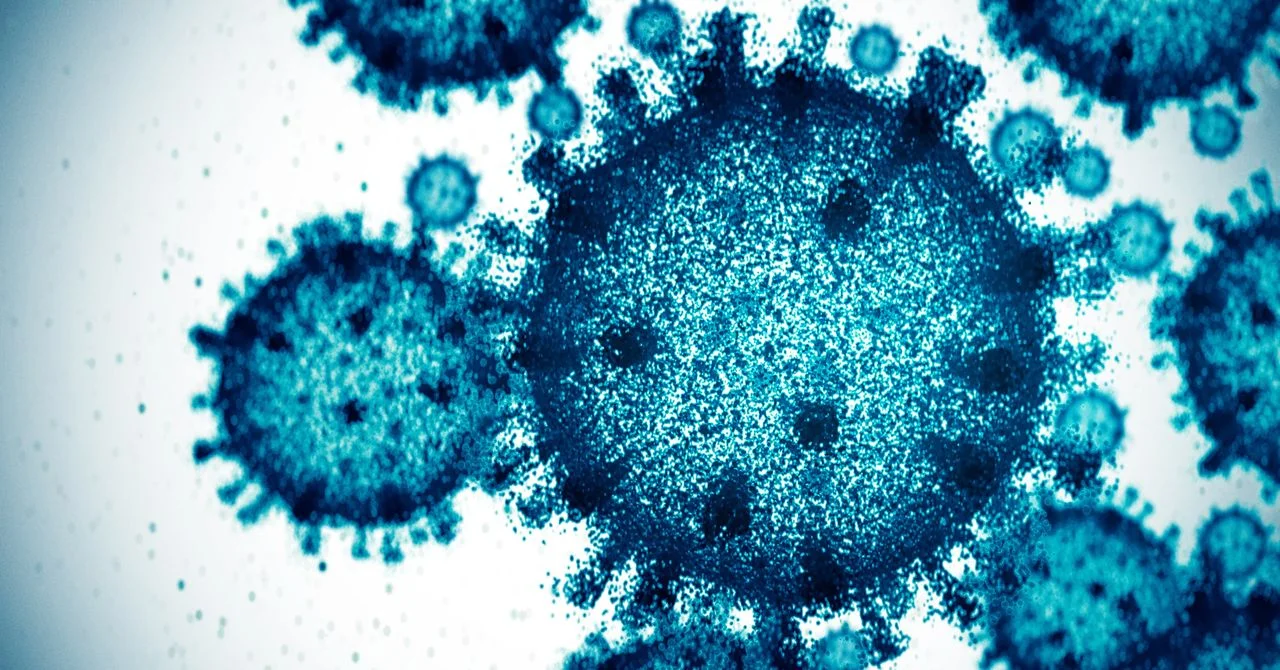
In a development that sits at the intersection of medical breakthrough and existential risk, scientists have successfully used artificial intelligence to design 16 entirely new viruses. These synthetic entities, specifically bacteriophages designed to target and kill harmful bacteria, represent a massive leap forward in the fight against antibiotic resistance. By using deep learning models to predict protein structures, researchers can now bypass millions of years of natural evolution to create bespoke biological tools. However, the speed of this achievement has sent shockwaves through the global regulatory community, as the same technology could theoretically be repurposed to design pathogens that evade human immune systems.
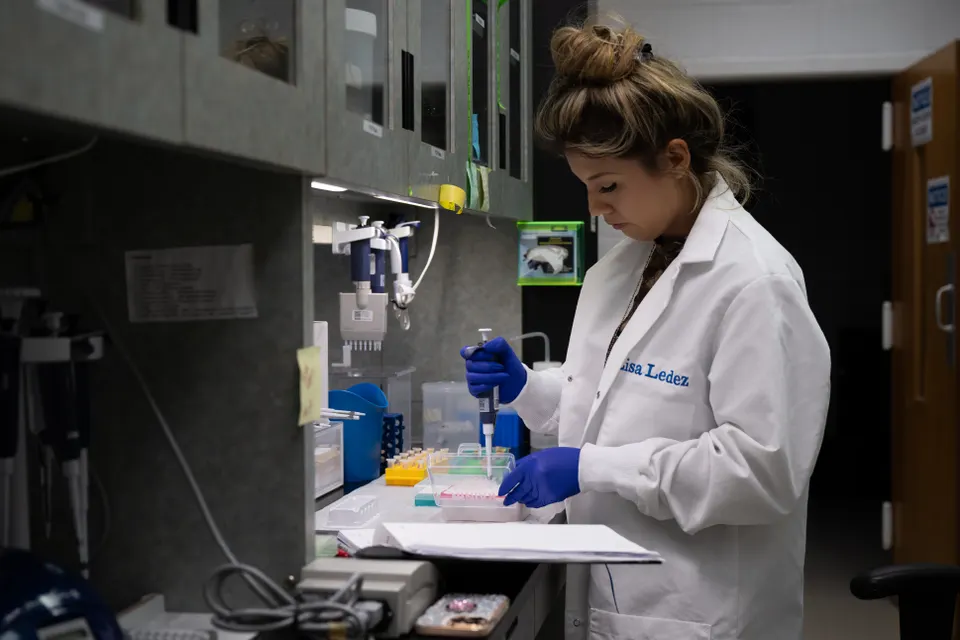
The primary concern for policymakers is that the barrier to entry for biological engineering is collapsing. While these 16 viruses were created in controlled environments for beneficial purposes, the underlying code and methodology are becoming increasingly accessible. Experts argue that international oversight is currently years behind the capabilities of these AI models. For the average citizen, this represents a dual-edged sword: a future where "superbugs" are no longer a death sentence, but also a world where biological threats can be iterated and optimized with the click of a button. The White House has recently moved to keep its AI testing frameworks private, a move that critics say further obscures the risks from public scrutiny.
Why an Iran Ceasefire Won't Lower Your Flight Costs
Despite the diplomatic whispers of a potential ceasefire and a subsequent drop in crude oil prices, travelers should not expect their airfares to return to pre-conflict levels anytime soon. Recent data indicates that US domestic airfares have surged by 26.5% compared to last year, with global prices seeing similar spikes of 25-30%. The disconnect between raw oil prices and ticket costs is largely attributed to a significant reduction in global oil refining capacity. Airlines are not just paying for the crude; they are paying for the increasingly expensive process of turning that crude into jet fuel, a bottleneck that has worsened over the last 24 months.

For the Iranian diaspora and those traveling to the region, this economic reality adds another layer of complexity to seasonal travel. Even if geopolitical tensions ease and the "war premium" on oil evaporates, the structural issues within the aviation industry—including labor shortages and a lack of new aircraft deliveries—mean that demand continues to outstrip supply. Analysts suggest that airlines are using this period of high demand to repair their balance sheets after years of volatility. Consequently, the hope that a diplomatic breakthrough in the Middle East would immediately translate into cheaper summer vacations appears to be a financial misconception.
Trump’s Attorney General Nominee Hits a Republican Wall
Todd Blanche, the man tapped by Donald Trump to lead the US Department of Justice, is facing an increasingly uphill battle for confirmation. Key Republican senators, including Lisa Murkowski and Susan Collins, have publicly voiced their opposition, citing concerns over Blanche's ability to maintain the department's independence. Blanche previously served as Trump’s personal defense attorney, a relationship that critics argue creates an inherent conflict of interest for the nation's top law enforcement officer. With Bill Cassidy now emerging as a potential third "no" vote, the nomination is on the verge of collapsing before it even reaches the floor.
This political deadlock has significant implications for international relations and the enforcement of sanctions. The US Attorney General plays a pivotal role in how the Justice Department pursues cases related to sanctions evasion and international financial crimes. A stalled or highly partisan appointment could lead to a period of institutional paralysis at the DOJ, affecting everything from domestic civil rights cases to the aggressive prosecution of entities linked to the Iranian government. For observers in Tehran and beyond, the stability of the US legal apparatus is a key indicator of how consistently future foreign policies will be enforced.
Market Reaction: Gold Surges as US Jobs Data Disappoints
Global markets were jolted today by a "massive surprise" in the US payrolls report, which showed the addition of only 23,000 jobs in July—far below the 80,000 forecast. This economic cooling has prompted traders to pivot away from the US Dollar and toward safe-haven assets. In the Iranian market, this shift was immediately visible as Gold 18k/gram rose from 18,525,786 to 18,816,658 Toman, a significant 1.6% increase within a single day. Meanwhile, Bitcoin capitalized on the dollar's weakness, climbing above the $65,111 mark as investors began pricing out a potential Federal Reserve rate hike in September.

In the local currency market, the US Dollar saw a slight decline, with the sell rate moving from 187,000 to 186,700 Toman (-0.2%). While this minor dip might offer some temporary psychological relief, the broader trend remains dominated by the spike in gold and coin prices. Emami coins held steady at 185,000,000 Toman, but the underlying pressure from rising global gold prices (now at $4,349 per ounce) suggests that local inflationary pressures are far from over. For Iranian savers, the message is clear: gold remains the preferred hedge against both domestic currency fluctuations and global economic uncertainty.
Watch
AI just created viruses that never existed before: Should we be worried? | DW News
DW News
Frequently Asked Questions
Why are AI-created viruses considered a security risk?
If oil prices drop due to an Iran ceasefire, why won't airfares go down?
What happens if Todd Blanche is not confirmed as US Attorney General?
The Dual-Use Dilemma in AI and Biotechnology: Navigating Progress and Peril
The rapid convergence of Artificial Intelligence (AI) and biotechnology presents a profound challenge known as the 'dual-use dilemma.' This concept describes technologies that, while developed for beneficial purposes, can also be misused for harmful ones. In the context of AI and biology, it means that powerful AI tools designed to revolutionize medicine and enhance human well-being also possess the potential to create unprecedented biological threats, sparking significant biosecurity fears.
On one hand, AI is an extraordinary accelerant for biological research and development. It can rapidly analyze vast datasets, predict protein structures, design novel drug candidates, and even engineer advanced therapies like bacteriophages to combat antibiotic-resistant bacteria. These applications promise breakthroughs in disease diagnosis, treatment, and prevention, offering hope for addressing some of humanity's most intractable health challenges. AI's ability to model complex biological systems could lead to personalized medicine, more effective vaccines, and a deeper understanding of life itself.
However, the very capabilities that make AI so powerful for good also open doors to potential misuse. An AI capable of rapidly designing therapeutic proteins could, in the wrong hands, be used to design novel toxins or enhance the virulence of existing pathogens. AI-driven platforms that accelerate drug discovery could also be repurposed to synthesize dangerous biological agents more efficiently or to identify new ways to evade immune responses. This inherent duality means that advancements in beneficial AI-driven biotechnologies must be carefully balanced against the risk of their exploitation for malicious purposes.
Addressing this dilemma requires a multi-faceted approach. It involves developing robust ethical guidelines for AI in biology, fostering international cooperation to establish norms and monitoring mechanisms, and investing in biosecurity measures that can detect, deter, and respond to potential threats. Researchers, policymakers, and the public must engage in ongoing dialogue to ensure responsible innovation. The goal is to maximize the immense societal benefits of AI-powered biotechnology while proactively mitigating the catastrophic risks associated with its dual-use potential.
Ultimately, understanding the dual-use dilemma is crucial for navigating the future of AI and biotechnology. It underscores the need for vigilance, ethical foresight, and collaborative governance to ensure that these transformative technologies serve humanity's best interests and do not become tools for harm. The promise of AI in biology is immense, but so too is the responsibility to manage its inherent risks wisely.
Topics
Related Articles