IRGC Claims Victory in Media War as Emami Gold Coin Surges 2.7% to 190 Million Toman
ادعای پیروزی رسانهای سپاه علیه ترامپ؛ جهش ۲.۷ درصدی قیمت سکه امامی به ۱۹۰ میلیون تومان
The IRGC attributes foreign reports of Donald Trump's failures to Iranian 'revolutionary media' efforts, while Tehran's gold market sees a significant spike with Emami coins hitting 190 million Toman. Meanwhile, a massive $1 billion US aid package to Colombia signals a shift in Washington's regional priorities.
At time of publishing
USD
186,700
Toman
Gold 18K
19.06M
Toman / gram
Bitcoin
$64,935
US Dollar
Tether
186,248
Toman
The IRGC’s Narrative of 'Media Victory'
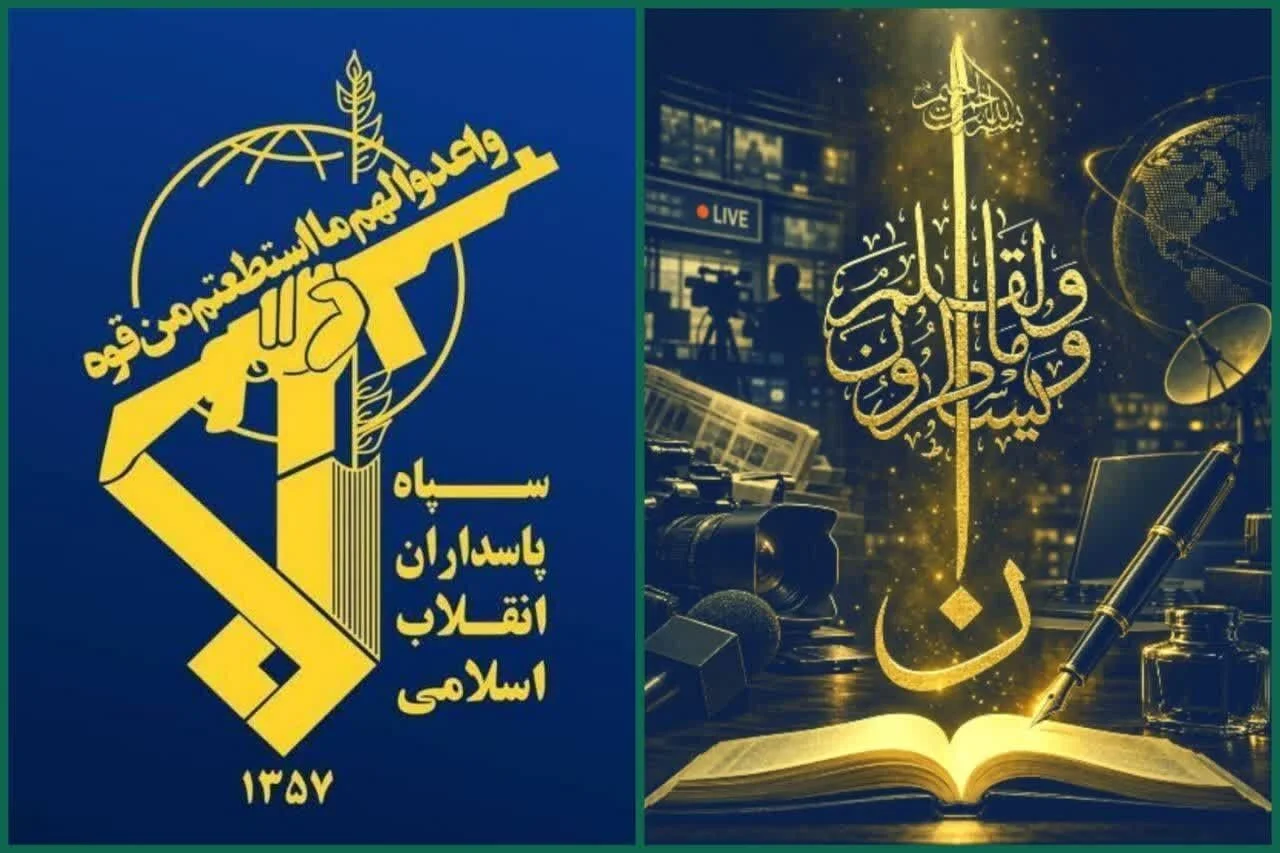
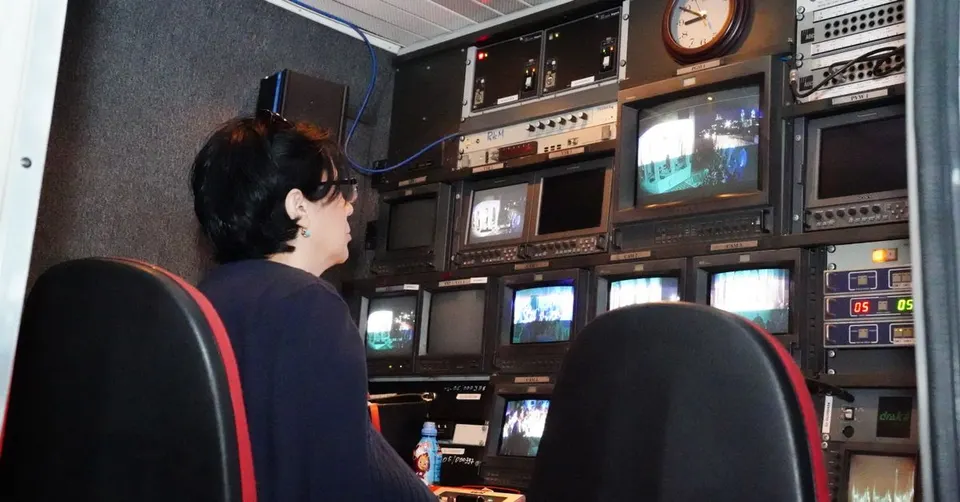
The Islamic Revolution Guards Corps (IRGC) has issued a statement claiming that the recent shift in foreign media coverage regarding Donald Trump’s policies is a direct result of Iranian "revolutionary media" efforts. According to reports from IRNA, the IRGC suggests that the acknowledgment by international outlets of Trump’s "defeat" in various confrontations with Iran proves that Tehran has successfully countered what it terms "enemy disinformation." This narrative is being heavily promoted within the country to bolster domestic morale at a time when geopolitical tensions remain at an all-time high.
This claim comes amidst a complex backdrop of ongoing sanctions and regional friction. By framing the international media's critical analysis of the Trump administration as a victory for the Iranian state's communication apparatus, the IRGC is attempting to signal strength and resilience. The statement emphasizes that the "revolutionary media" has been the primary tool in exposing the failures of the "maximum pressure" campaign, suggesting that the information war is just as critical as the economic or military fronts.
Gold Coins Surge as USD Remains Stable
Tehran’s financial markets have shown a distinct divergence this morning. While the USD/IRR exchange rate remained flat at 186,700 Toman, the gold market experienced a sharp uptick. The Emami gold coin rose from 185,000,000 to 190,000,000 Toman, marking a significant 2.7% increase in just 24 hours. Similarly, 18-karat gold per gram moved from 18,957,477 to 19,056,743 Toman (+0.5%). This surge is largely driven by the global price of gold, which is currently trading at a staggering $4,343.30 per ounce, reflecting worldwide economic uncertainty.
For the average Iranian investor, the jump in coin prices despite a stable dollar suggests a deepening "bubble" or a high demand for physical assets. Gold coins are often viewed as a safer haven than currency during periods of heightened geopolitical rhetoric. The fact that the Emami coin has hit the 190 million Toman mark indicates that local buyers are pricing in future risks, even if the central bank manages to keep the spot price of the dollar temporarily anchored. This divergence typically signals that market participants expect further volatility in the near term.

US Pledges $1 Billion to Colombia’s 'Tiger'
In a major geopolitical shift in the Western Hemisphere, the US State Department has announced a $1 billion security assistance package for Colombia. This move coincides with the inauguration of President Abelardo De La Espriella, a right-wing leader nicknamed "The Tiger" who has received strong endorsements from Donald Trump. In his first speech at a military garrison in Cali, De La Espriella vowed to "defeat narco-terrorists," signaling a return to hardline security policies that align closely with the current administration in Washington.
This massive aid package is significant because it represents a pivot in how the US handles regional allies. By pouring resources into a Trump-aligned administration in Bogota, Washington is securing a strategic bulwark in South America. For global markets, this reinforces the trend of the US using bilateral security deals to project power, often at the expense of multilateral agreements. The timing—occurring just as the US maintains a high-pressure stance against Iran—suggests a broader strategy of fortifying friendly regimes while isolating adversaries.
Geopolitics Stalls Chagos Islands Decolonization
The long-awaited decolonization of the Chagos Islands has hit a major roadblock due to the escalating friction between the US and Iran. For sixty years, the inhabitants of these African islands have lived as refugees after being expelled by the British. While there were high hopes for a 2026 return, the situation has been complicated by the strategic necessity of military bases in the Indian Ocean. Reports indicate that following US military actions involving Iranian targets, the focus on maintaining absolute control over regional outposts has overridden decolonization efforts.
This development illustrates how localized humanitarian and sovereignty issues are often swallowed by the "morass of geopolitics." The Chagos refugees find their aspirations caught between the strategic requirements of the US military and the broader conflict in the Middle East. As long as the US-Iran confrontation remains in a state of high alert, the likelihood of a peaceful resolution for the Chagos Islanders remains slim, as the islands serve as a critical staging ground for global power projection.
Frequently Asked Questions
Why is the Emami coin rising while the USD exchange rate remains stable?
What does the IRGC mean by 'revolutionary media' victory?
How does the US aid to Colombia affect the geopolitical landscape?
Understanding Information Warfare
Information warfare, often dubbed a "media war," refers to the strategic use of information and communication technologies to influence public perception, undermine opponents, and achieve political or military objectives. Unlike traditional combat, the battlefield is the mind: narratives, images, and data are weaponised to shape opinions, sow doubt, or rally support. States, non‑state actors, and even corporations deploy coordinated campaigns across television, radio, social media, and news outlets, blending truth with disinformation to create a persuasive story.
The Islamic Revolutionary Guard Corps (IRGC) in Iran has become a prominent practitioner of this tactic. By controlling a network of state‑run broadcasters, satellite channels, and online platforms, the IRGC can amplify its messages, counter foreign criticism, and portray domestic policies—such as the surge in the Emami gold coin price—as symbols of national resilience. When the IRGC declares a "victory in the media war," it signals that its narrative is outpacing rival narratives, often influencing market sentiment and consumer confidence.
Information warfare does not operate in a vacuum; it interacts with broader geopolitical dynamics. For instance, U.S. aid to Colombia, disputes over the Chagos Islands, and sanctions on Iran all generate competing storylines that each side tries to dominate. By flooding the information space with favorable content, actors aim to shape international opinion, affect diplomatic negotiations, and even drive economic outcomes, such as the price of gold‑backed assets in Tehran’s market.
Modern tools—algorithmic amplification, deep‑fake videos, and bot networks—have intensified the speed and reach of these campaigns. Audiences must therefore develop media literacy: checking sources, cross‑referencing facts, and recognising the hallmarks of propaganda. Understanding the mechanics of information warfare equips citizens and policymakers alike to navigate a world where the battle for truth is as fierce as any physical conflict.
Topics
Related Articles