Velayati Demands Foreign Exit from West Asia as Emami Coin Surges 1.4% Amid Regional Tension
هشدار ولایتی به نیروهای خارجی و جهش ۱.۴ درصدی سکه امامی در سایه تنشهای منطقهای
Senior adviser Ali Akbar Velayati has called for the total withdrawal of foreign forces from the region, labeling them the primary source of insecurity. Meanwhile, Tehran's gold market sees a 1.4% jump in Emami coin prices as domestic demand for safety assets grows despite stagnant global gold rates.
At time of publishing
USD
186,900
Toman
Gold 18K
18.92M
Toman / gram
Bitcoin
$64,967
US Dollar
Tether
186,806
Toman
Velayati Signals Hardening Stance on Regional Presence
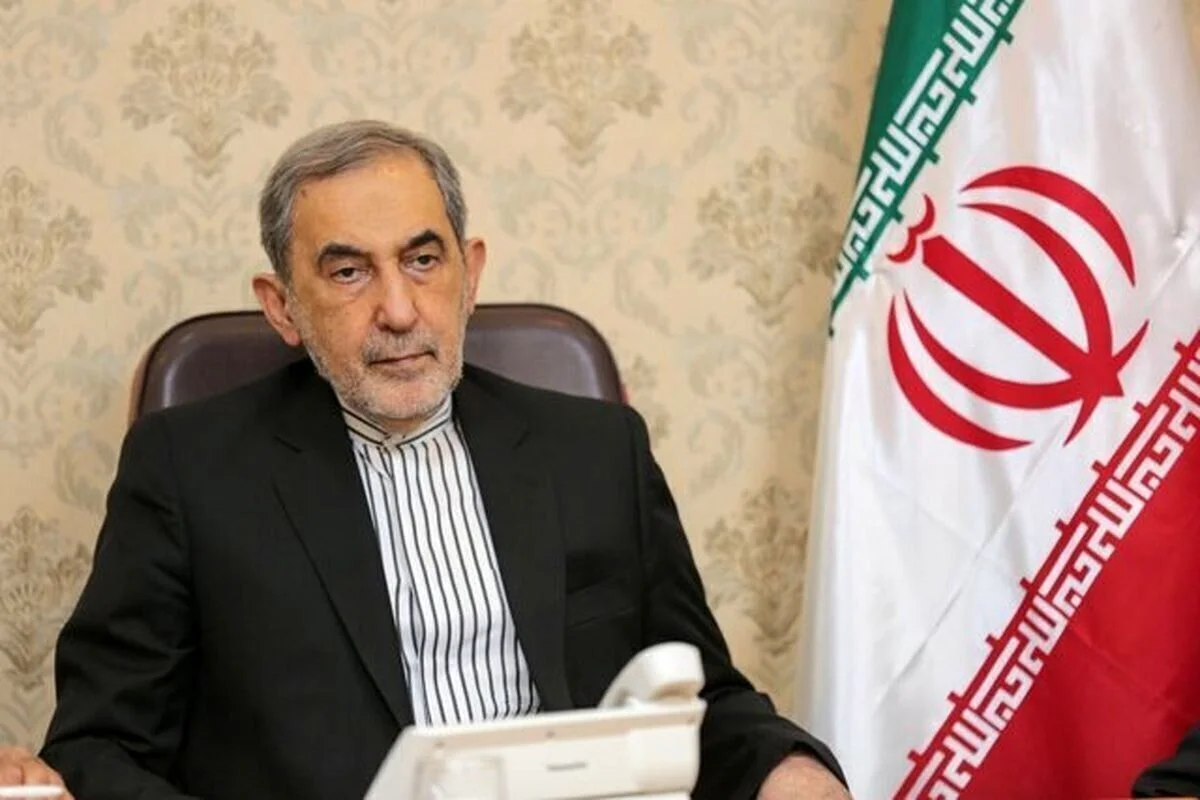
Ali Akbar Velayati, a senior adviser to the Leader of the Islamic Revolution on international affairs, has issued a stern warning regarding the presence of foreign military forces in West Asia. In a statement reported by state media, Velayati argued that recent regional developments have only reinforced the conviction that foreign intervention is the primary driver of instability. He asserted that for true security to be established, these forces must leave the region entirely, a rhetoric that often precedes shifts in local strategic positioning or diplomatic maneuvering within the 'Axis of Resistance.'
This call for an exit comes at a time when the Islamic Republic is increasingly vocal about its regional sovereignty, often framing the presence of U.S. and allied forces as an existential threat. While such statements are a staple of Iranian foreign policy, the timing suggests a response to the ongoing cycle of tension that some analysts describe as a 'Groundhog Day' of threats and backdowns between Washington and Tehran. For the average Iranian, these high-level geopolitical pronouncements are often viewed through the lens of economic impact, as heightened rhetoric usually precedes market volatility and a tightening of the domestic currency market.
Pezeshkian Targets Washington’s Moral Standing
President Masoud Pezeshkian has utilized the anniversary of the Hiroshima and Nagasaki atomic bombings to launch a scathing critique of U.S. foreign policy. In a formal statement, Pezeshkian labeled the 1945 attacks as some of the 'greatest crimes against humanity,' suggesting that the same mindset continues to govern Washington’s actions today. By focusing on historical grievances, the Iranian administration seeks to build a narrative of moral superiority on the international stage, particularly as it faces continued pressure over its own nuclear program and regional activities.
This rhetorical shift is significant because it aligns with a broader strategy to delegitimize U.S. sanctions and military posture in the eyes of the Global South. By framing Washington as a historical aggressor that targets civilian infrastructure, Pezeshkian is attempting to galvanize domestic support while appealing to international observers who are critical of Western hegemony. However, critics argue that such statements are a diversionary tactic intended to shift focus away from internal economic struggles and the government's own record on civil liberties and political transparency.
Tehran Market: Emami Coin Gains as Risks Escalate
Despite a relatively quiet day in global markets, Tehran’s gold and currency markets have shown notable movement. The Emami gold coin surged by 1.4%, moving from 185,000,000 to 187,500,000 Toman. This jump occurred even as the price of 18k gold per gram saw a slight decrease of 0.2%, falling from 18,957,477 to 18,920,541 Toman. The divergence between the coin price and the raw gold price suggests a high 'bubble' or risk premium, as local investors scramble to secure physical gold assets in anticipation of further regional escalation.
In the currency market, the USD/IRR rate remained relatively stable but showed a slight upward tick, with the sell rate moving from 186,700 to 186,900 Toman (+0.1%). While the percentage change is small, the consistent pressure on the Toman reflects a lack of confidence in long-term economic stability. The demand for USDT also remains high, currently trading at 186,806 Toman, nearly at parity with the physical dollar. For the Iranian public, these numbers are more than just statistics; they represent the eroding purchasing power that continues to define daily life under the current economic management.

Global Uncertainty and the Plight of Detainees
On the international front, the human cost of geopolitical friction is highlighted by the deteriorating health of Robert Gilman, a former U.S. Marine currently held in Russian detention. Reports indicate that Gilman has become unresponsive following alleged mistreatment, a development that adds another layer of complexity to the already strained relations between Moscow and the West. This story serves as a grim reminder of how individuals often become pawns in larger diplomatic standoffs, a situation that resonates with many in Iran who have seen similar cases involving dual nationals.
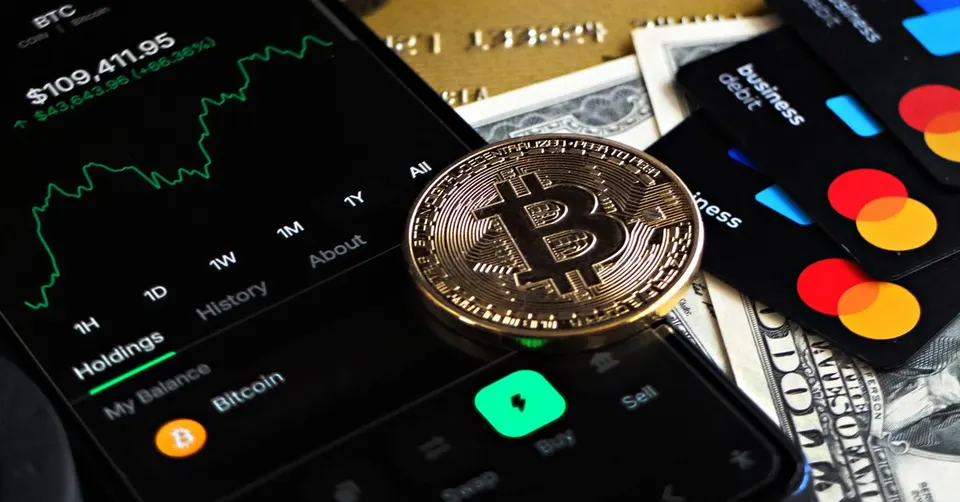
Meanwhile, in North America, signs of a fragile economic recovery in Canada are being overshadowed by the looming threat of new tariffs. While jobs and trade numbers have improved, the uncertainty surrounding global trade policy continues to dampen investor sentiment. This global 'wait-and-see' approach is mirrored in the crypto markets, where Bitcoin is hovering near the $65,000 mark. As the U.S. Senate begins the multi-stage process for the 'Clarity Act' for crypto, the world remains on edge, waiting to see if policy shifts will provide the stability needed for a sustained global recovery.
Frequently Asked Questions
Why is the Emami coin rising while 18k gold is falling?
What is the significance of Velayati's comments on foreign forces?
How is the USD/IRR reacting to current regional rhetoric?
Understanding Safe-Haven Assets Amid Geopolitical Tensions
In times of heightened geopolitical tension and economic uncertainty, investors often seek refuge in what are known as safe-haven assets. These are investments that are expected to retain or even increase in value during periods of market turbulence, offering a degree of protection against financial instability. Unlike riskier assets like stocks, which can plummet during crises, safe havens are sought after for their perceived stability and ability to preserve capital. The recent surge in the Emami Gold Coin price amid regional tension in West Asia perfectly illustrates this phenomenon, as investors in the region look for ways to safeguard their wealth.
Among the various safe-haven assets, gold holds a preeminent position, often referred to as the ultimate safe haven. Its appeal stems from several factors: it has intrinsic value, is universally recognized, cannot be debased by central banks printing more of it, and has a long history as a store of value across civilizations. When political instability, military conflicts, or economic crises loom, the demand for gold typically rises. This increased demand, driven by a flight to safety, pushes its price upwards as investors convert volatile currencies or vulnerable local assets into a more tangible and globally accepted form of wealth.
The connection between geopolitical events and gold prices is particularly evident in regions prone to conflict. For instance, in West Asia, where political dynamics can shift rapidly and impact local economies, the Emami Gold Coin — a significant local indicator of gold's value — often acts as a barometer of investor anxiety. As tensions escalate, the desire to move capital out of potentially depreciating local currencies or vulnerable financial instruments into physical gold becomes stronger. This behavior is a rational response to perceived risks, aiming to protect purchasing power and wealth from the adverse effects of regional instability.
While gold is a primary example, other assets can also serve as safe havens depending on the specific crisis. These might include certain stable government bonds (like U.S. Treasuries or German Bunds), specific strong currencies (such as the Swiss Franc or Japanese Yen), or even, in some modern contexts, certain cryptocurrencies (though their volatility often disqualifies them from being true safe havens). However, gold's historical role and physical nature continue to make it a go-to choice for individuals and institutions seeking stability when the world feels uncertain.
Topics
Related Articles