Caspian Sovereignty Clarified Amid 1.4% Emami Coin Surge as Serbia Navigates Diplomatic Tightrope
شفافسازی حاکمیت خزر در کنار جهش ۱.۴ درصدی سکه امامی و بازی دیپلماتیک صربستان
Iran's Foreign Ministry clarifies that the Caspian Convention does not finalize seabed borders, while Emami gold coins jump to 187.5 million Toman. Meanwhile, a rare meeting between the leaders of Serbia and Ukraine signals shifting geopolitical alliances in Europe.
At time of publishing
USD
186,800
Toman
Gold 18K
18.91M
Toman / gram
Bitcoin
$64,937
US Dollar
Tether
186,671
Toman
The Caspian Deadlock: Sovereignty and Subsoil Resources
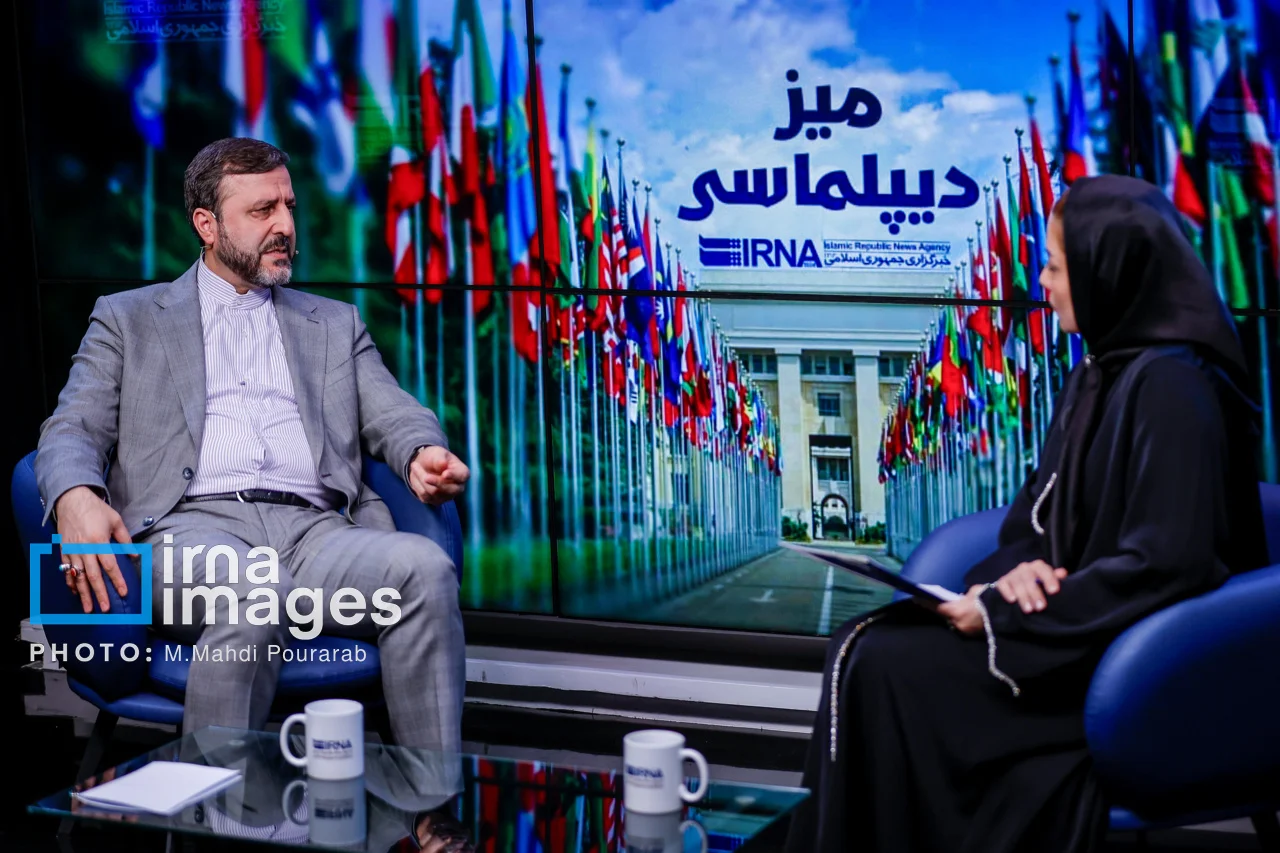
Deputy Foreign Minister for Legal and International Affairs, Kazem Gharibabadi, has issued a clarifying statement regarding the Legal Status of the Caspian Sea, emphasizing that the existing convention does not dictate the delimitation of the seabed or its subsoil. This distinction is critical for Iran’s domestic and economic interests, as the division of resource-rich underwater territories remains one of the most contentious issues among the five littoral states. By separating the general legal status from the specific mapping of the seabed, Tehran is signaling that it has not yet conceded its claims to the lucrative oil and gas fields that lie beneath the southern waters of the Caspian.
For the average Iranian observer, these legal nuances are often viewed through the lens of national sovereignty and the fear of resource loss. The 2018 convention was met with significant public skepticism, and Gharibabadi’s recent remarks appear aimed at managing these domestic expectations. The government is attempting to project a stance of firm negotiation, asserting that the final lines on the map—which will determine billions of dollars in energy wealth—are still subject to future bilateral or multilateral agreements. This effectively keeps the door open for further bargaining while maintaining the status quo on surface navigation and security.
Tehran Market Watch: Gold Coins Decouple from Currency Stability
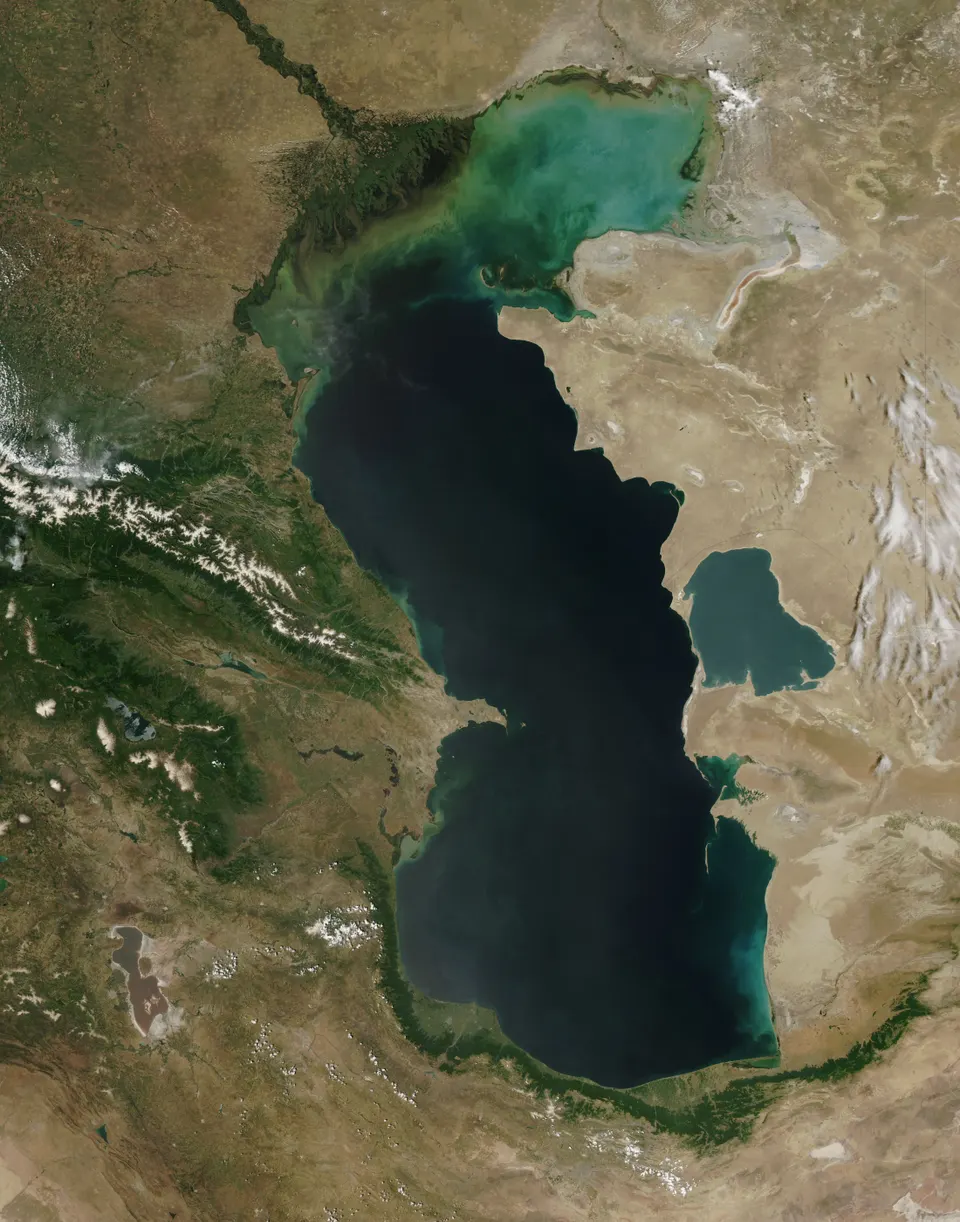
In the Tehran markets this afternoon, we are witnessing a notable divergence between the currency and gold sectors. While the US Dollar remained relatively stable, moving from 186,700 to 186,800 Toman (+0.1%), the gold coin market experienced a significant spike in volatility. The Emami gold coin surged from 185,000,000 to 187,500,000 Toman, marking a 1.4% increase within the last 24 hours. Interestingly, this rise occurred even as the base price of 18k gold per gram saw a slight decline, moving from 18,957,477 to 18,913,615 Toman (-0.2%).
This decoupling suggests that the demand for minted coins is being driven more by psychological hedging and speculative pressure than by the intrinsic value of the precious metal or the exchange rate. When coin prices rise while the underlying gold price drops, it indicates a growing 'bubble' or premium, reflecting a lack of confidence in other asset classes. Investors are clearly prioritizing liquidity and the perceived safety of physical coins as a shield against potential regional escalations or future currency devaluations, even when the current USD/IRR rate shows minimal movement.
Serbia’s High-Stakes Balancing Act: Zelensky in Belgrade
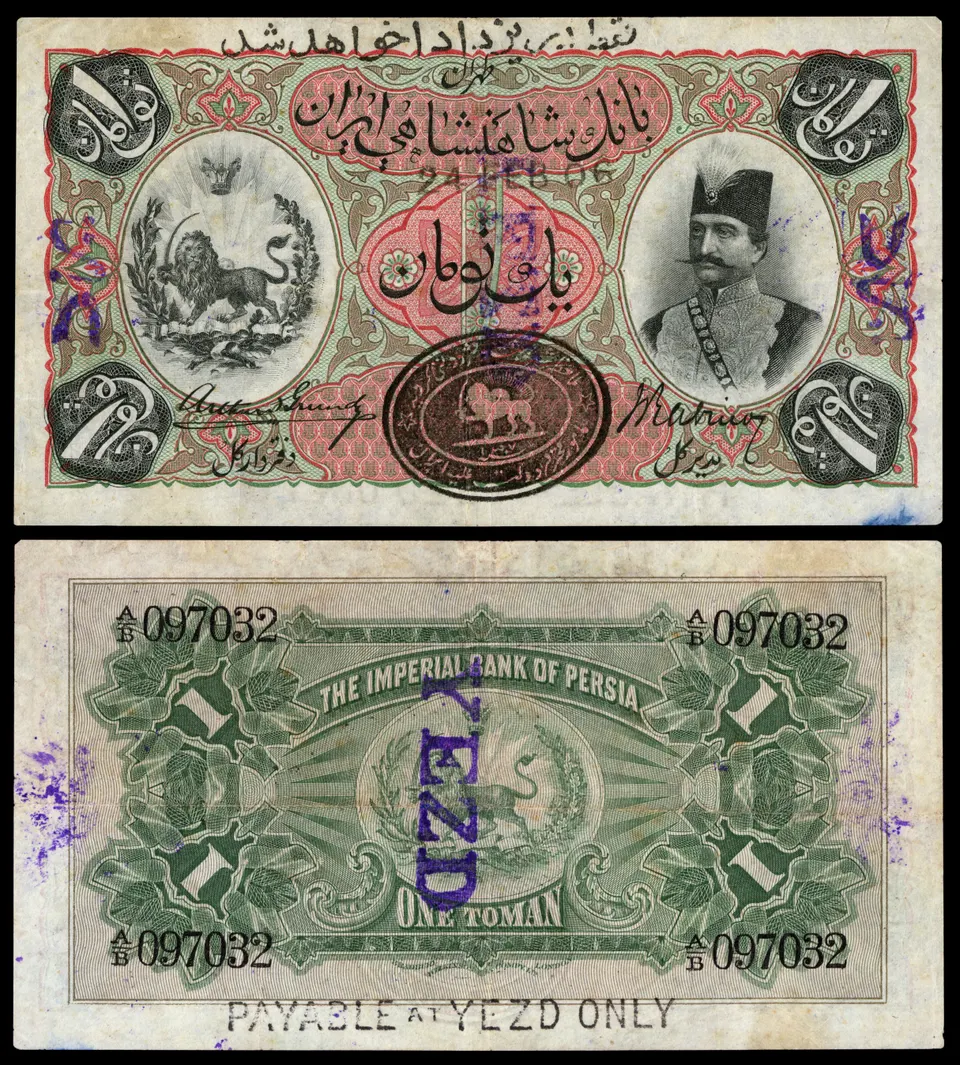
In a move that has caught the attention of global analysts, Ukrainian President Volodymyr Zelensky has made his first official visit to Serbia for talks with President Aleksandar Vučić. This meeting is a masterpiece of diplomatic tightrope walking for Belgrade. Serbia has long maintained deep historical and energy ties with Moscow and has consistently refused to join Western sanctions against Russia. However, by hosting Zelensky, Vučić is attempting to demonstrate Serbia’s commitment to its European Union aspirations and its respect for international law regarding territorial integrity—a stance that also serves Serbia’s own interests regarding Kosovo.
This shift is not merely symbolic; it has practical implications for regional trade and security. Zelensky is seeking to broaden his coalition of support as Russian pressure intensifies, and gaining even a neutral-to-friendly stance from a traditional Russian ally like Serbia is a tactical win for Kyiv. For the broader markets, this suggests that the rigid geopolitical blocs formed at the start of the Ukraine conflict are becoming more fluid. Countries like Serbia are realizing that total alignment with a sanctioned Russia may be economically unsustainable in the long run, leading to these carefully choreographed 'balancing acts' that attempt to satisfy both Brussels and Moscow.
Tech Consolidation: SpaceX Moves to the Front of the Nvidia Line
In the world of high-performance computing, a new hierarchy is emerging that could threaten the survival of smaller AI startups. Analysts from Bernstein report that SpaceX’s recent deal with Nvidia could push Elon Musk’s aerospace giant to the "front of the line" for the world’s most sought-after AI chips. This preferential treatment comes at the expense of so-called 'neocloud' providers like CoreWeave and Nebius, who have built their business models on providing access to Nvidia hardware. If massive conglomerates can secure direct, priority pipelines for silicon, the competitive advantage for specialized cloud providers begins to evaporate.
This development highlights the growing 'hardware moat' in the tech industry. It is no longer enough to have the best algorithms; companies now need the political and financial weight to secure the physical infrastructure required to run them. For investors, this signals a consolidation of power among the largest players who can afford to bypass traditional supply chains. As SpaceX integrates more AI into its Starlink and Starship programs, the ripple effects will be felt across the tech ecosystem, potentially forcing smaller players into expensive acquisitions or obsolescence as they are starved of the processing power needed to compete.
Frequently Asked Questions
Why did Emami gold coins rise while the price of gold per gram fell?
What is the current status of the Caspian Sea seabed delimitation?
How does the SpaceX-Nvidia deal affect the AI market?
Understanding the Caspian Sea's Unique Legal Status and its Geopolitical Impact
The Caspian Sea, the world's largest inland body of water, is bordered by five nations: Azerbaijan, Iran, Kazakhstan, Russia, and Turkmenistan. For decades, its legal status has been a subject of intense debate and negotiation. The core question revolves around whether the Caspian is legally a "sea" or a "lake," a distinction that profoundly impacts how its vast resources, particularly oil and natural gas, are divided and managed among the littoral states. This ambiguity historically hindered significant resource exploitation and fostered regional tensions.
If classified as a "sea," the United Nations Convention on the Law of the Sea (UNCLOS) would generally apply, allowing for the division into territorial waters, exclusive economic zones, and continental shelves. This would grant each bordering nation sovereign rights over specific areas. However, if considered a "lake," international law typically dictates that it should be governed by agreements among the riparian states, often leading to joint management or a more equitable division of resources based on bilateral or multilateral treaties, as was the case with historical Soviet-Iranian agreements that predated the breakup of the Soviet Union.
The absence of a clear legal framework created significant challenges for hydrocarbon exploration and pipeline projects, as any unilateral action by one state could be contested by others. This deadlock persisted for years, with each nation advocating for a status that best served its national interests regarding resource access and security. The situation highlighted the complexities of international law when applied to unique geographical features that do not neatly fit existing definitions.
A significant breakthrough came in 2018 with the signing of the Convention on the Legal Status of the Caspian Sea. This landmark agreement attempted to bridge the "sea vs. lake" divide by declaring the Caspian to have a "special legal status." While it acknowledges certain characteristics of a sea, it explicitly states that UNCLOS does not fully apply. Instead, it establishes that the seabed and subsoil, where most oil and gas reserves lie, will be delimited through bilateral agreements between adjacent and opposite states, while the water column will be shared. This framework aims to balance national sovereignty with collective responsibility, paving the way for more stable resource development and regional cooperation, though specific delimitation agreements are still ongoing.
Topics
Related Articles