Saudi-Turkey-Pakistan Defense Pact Reshapes Regional Power as Todd Blanche Takes US AG Seat
پیمان دفاعی سهجانبه ریاض، آنکارا و اسلامآباد؛ تاد بلنچ سکان وزارت دادگستری آمریکا را به دست گرفت
A landmark mutual defense agreement between Saudi Arabia, Turkey, and Pakistan creates a new security bloc in West Asia. Meanwhile, the US Senate has narrowly confirmed Donald Trump’s former lawyer as Attorney General, signaling a major shift in American law enforcement.
At time of publishing
USD
186,200
Toman
Gold 18K
18.87M
Toman / gram
Bitcoin
$64,965
US Dollar
Tether
185,927
Toman
The Emergence of a New Sunni Defense Bloc
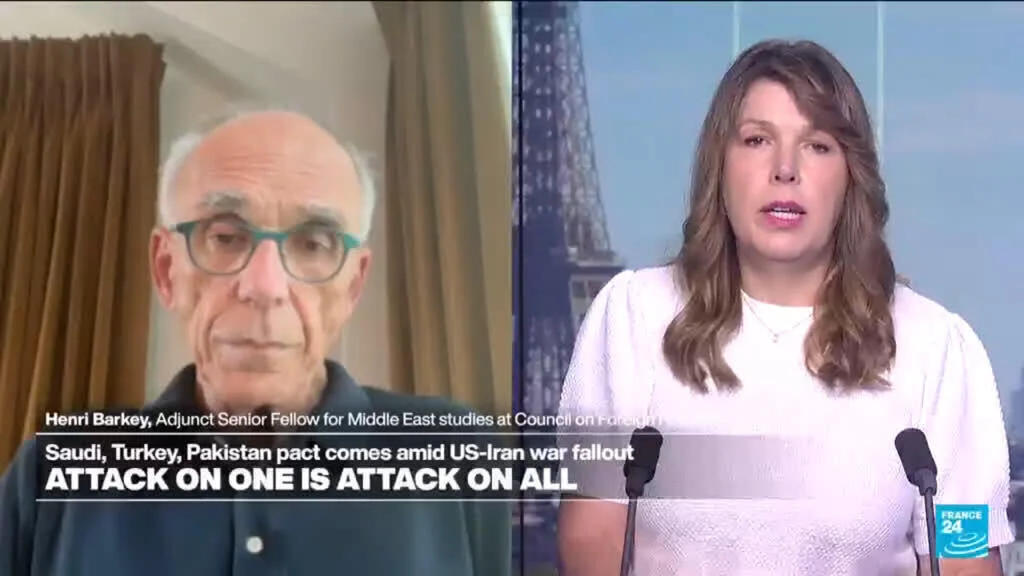
In a move that has sent ripples through the corridors of power in Tehran and Washington, Saudi Arabia, Turkey, and Pakistan have officially signed a mutual defense pact. The agreement, signed on Friday, stipulates that an act of aggression against any one of these nations will be treated as an attack on all three. While the joint statement stopped short of outlining specific military deployments, the symbolic and strategic weight of this alliance cannot be overstated. This "Sunni Bloc" appears to be a direct response to the lingering fallout of recent US-Iran tensions, as regional powers seek to create a security umbrella independent of traditional Western guarantees.
For Iran, this pact represents a significant shift in the regional balance of power. Historically, Tehran has navigated the rivalries between these three nations individually. By formalizing their security cooperation, Riyadh, Ankara, and Islamabad are effectively creating a buffer zone that could limit Iran's regional maneuverability. Analysts suggest that the timing is no coincidence; as the US pivots its focus, these nations are stepping in to fill the perceived vacuum, signaling to Tehran that any further escalation in the region will face a unified front from some of the most powerful militaries in the Islamic world.
US Senate Confirms Todd Blanche as Attorney General
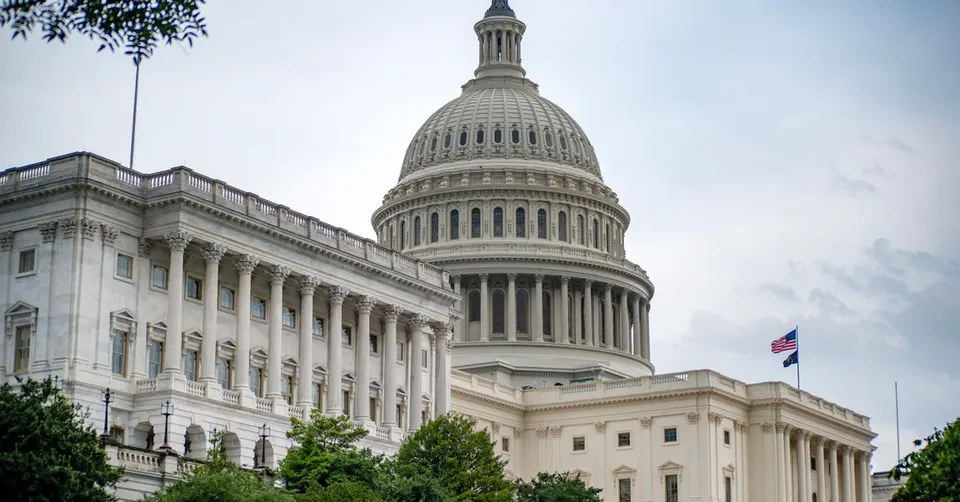
The US political landscape reached a fever pitch early Saturday morning as the Senate narrowly confirmed Todd Blanche as the nation's Attorney General with a 50-49 vote. Blanche, who famously served as Donald Trump’s private defense attorney during several high-profile criminal trials, now takes control of the Department of Justice (DOJ). The confirmation was met with fierce resistance from Democrats, with Senate Minority Leader Chuck Schumer decrying the move as a gateway for "pervasive and breathtaking corruption." Despite the pushback, the Republican majority held firm, cementing a key Trump ally at the helm of American law enforcement.
This appointment is of critical importance for international relations and sanctions enforcement. As Attorney General, Blanche will oversee the legal frameworks that underpin US sanctions against countries like Iran and Russia. Given his history as a loyalist to the Trump administration, his leadership is expected to prioritize the president’s "maximum pressure" agendas. For global markets, this signals a period of heightened legal unpredictability, as the DOJ may become more aggressive in pursuing political and geopolitical objectives through the American judicial system.
Tehran Markets: The Decoupling of Gold and Currency
At 17:00 Tehran time, the domestic markets are showing a curious divergence in investor behavior. While the US Dollar has seen a slight decline, moving from 186,700 to 186,200 Toman (-0.3%), the Emami gold coin has surged by 1.1%, rising from 185,000,000 to 187,000,000 Toman. This decoupling suggests that while the immediate demand for hard currency has cooled slightly, the appetite for "safe haven" assets remains high. Investors appear to be hedging against regional instability—specifically the new defense pact—by moving capital into gold rather than liquid cash.
Meanwhile, the global price of gold remains near historic highs at $4,343.30 per ounce, which continues to provide a strong floor for domestic Iranian prices. However, the 18-karat gold price in Tehran followed the USD trend, dipping slightly from 18,957,477 to 18,867,445 Toman per gram (-0.5%). This mixed signal reflects a market that is deeply uncertain about the future. While the slightly lower USD rate might offer a temporary reprieve for importers, the rising cost of gold coins indicates that the general public is still bracing for potential economic shocks on the horizon.

Tech and Sentiment: Reddit CEO Sells as Markets Brace
In the technology sector, a significant insider trade has caught the eye of market analysts. Reddit CEO Steve Huffman has sold 18,000 shares of the company, totaling approximately $2.9 million. While executive stock sales are often scheduled in advance, the timing amidst broader market volatility has raised questions about internal confidence in the platform's long-term AI strategy. This comes at a time when Wall Street is already showing signs of fatigue regarding AI-driven growth, as seen in the cooling sentiment toward other tech giants like GoDaddy.
For the average investor, these moves highlight the current fragility of the tech rally. As major CEOs liquidate portions of their holdings, it serves as a reminder that the explosive growth seen in early 2026 may be reaching a plateau. In the context of the Iranian market, where tech stocks are often seen as a proxy for global sentiment, these signals contribute to the cautious atmosphere. As the week draws to a close, the focus remains on whether these corporate sell-offs are isolated incidents or the beginning of a broader correction in the tech-heavy indices.
Watch
Saudi, Turkey, Pakistan pact comes amid US-Iran war fallout • FRANCE 24 English
FRANCE 24 English
Frequently Asked Questions
What is the impact of the Saudi-Turkey-Pakistan defense pact on Iran?
Why is Todd Blanche's confirmation as US Attorney General significant for sanctions?
Why did the Emami gold coin rise while the US Dollar fell in Tehran?
Understanding Geopolitical Alliances and Regional Power Shifts
In the complex tapestry of international relations, geopolitical alliances stand as pivotal mechanisms through which states pursue their national interests, ensure security, and project influence. These alliances are formal or informal agreements between two or more countries, often driven by shared strategic goals, common threats, or economic imperatives. They can range from military defense pacts, like NATO, to economic blocs or diplomatic coalitions, fundamentally altering the calculus of power on both regional and global scales.
The primary motivation for forming such alliances is often collective security. By pooling resources and committing to mutual defense, smaller or mid-sized states can deter aggression from larger powers, while larger states can solidify their spheres of influence. Beyond security, alliances facilitate economic cooperation, trade agreements, and coordinated diplomatic efforts on global issues. However, they also introduce complexities, potentially escalating regional tensions by creating opposing blocs and drawing countries into conflicts that might not directly involve their immediate interests.
The formation of new geopolitical alliances invariably leads to regional power shifts. When countries like Saudi Arabia, Turkey, and Pakistan explore defense cooperation, it signals a potential reordering of existing power dynamics in the Middle East and wider Islamic world. Such a pact could challenge established regional hegemonies, create new centers of influence, and necessitate a recalibration of strategies by other regional and global actors. These shifts are not merely about military might; they encompass economic leverage, diplomatic weight, and cultural influence, all of which contribute to a nation's overall power projection.
Understanding these alliances is crucial for grasping global stability and conflict. They reflect a world where states constantly adapt to evolving threats and opportunities, forming new partnerships to safeguard their sovereignty and advance their agendas. As the global order becomes increasingly multipolar, the fluidity and formation of these alliances will continue to be a defining feature of international politics, shaping the contours of power for decades to come.
Topics
Related Articles