Iran Issues Hardline Demands for Hormuz Reopening as UAE Reports Tanker Strike
شروط سخت ایران برای بازگشایی هرمز؛ ادعای امارات درباره حمله به نفتکش ADNOC
Tehran’s security council has dampened hopes for a swift reopening of the Strait of Hormuz, linking the waterway’s status to a list of US policy shifts. Meanwhile, a reported attack on an Emirati tanker and a relentless surge in domestic gold coin prices signal deepening regional anxiety.
At time of publishing
USD
186,400
Toman
Gold 18K
18.76M
Toman / gram
Bitcoin
$65,045
US Dollar
Tether
185,717
Toman
The Hormuz Standoff: Tehran Sets Its Price
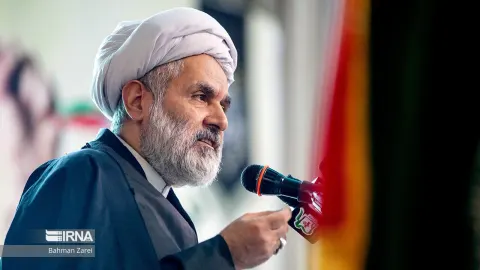
At 19:00 Tehran time, the geopolitical landscape in the Persian Gulf has shifted from cautious optimism to a state of rigid confrontation. The head of Iran’s Supreme National Security Council (SNSC) has officially issued a list of demands that must be met before the Strait of Hormuz—a vital artery for global energy—can be reopened. According to reports from state-run media outlets like IRNA, the council has tied the freedom of navigation in the waterway to an immediate end to U.S. military presence in the region and a total lifting of specific economic sanctions. This move effectively turns the world’s most critical maritime chokepoint into a bargaining chip, signaling that the current blockade is no longer a temporary security measure but a strategic lever for broader concessions.
Adding fuel to the fire, the United Arab Emirates has reported that an ADNOC-operated tanker was targeted by a missile strike within the vicinity of the Strait. While Emirati officials confirmed there were no casualties, the psychological impact on the shipping industry is profound. This incident, which the UAE explicitly attributes to Iranian forces, complicates the narrative of "security-led" closures. For the global community, this escalation suggests that the risk of a full-scale maritime conflict is at its highest point in years. The immediate consequence is a skyrocketing insurance premium for any vessel attempting to navigate the Gulf of Oman, which will inevitably trickle down to global fuel and commodity prices.
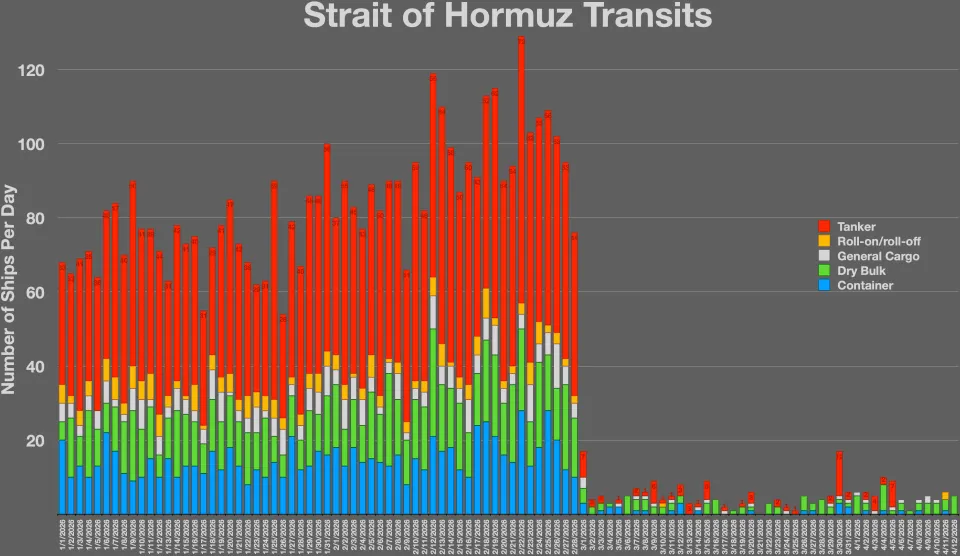
For the Iranian public, these developments are a double-edged sword. While the government frames these demands as a show of national sovereignty, the practical reality is a deepening of the economic isolation that has already crippled domestic industry. The refusal to reopen the Strait without massive U.S. concessions suggests a long-term standoff that could see the Iranian Rial face renewed pressure. As trade routes remain blocked, the cost of imported essential goods is expected to rise, further squeezing the middle class that is already struggling with a decade of high inflation. This is not just a military maneuver; it is a high-stakes gamble with the nation's economic stability.
Market Paradox: Gold Coins Rise Amid Currency Softening
The Tehran markets today presented a confusing picture for many casual observers, as the usual correlation between the US Dollar and gold appeared to decouple. The USD sell rate moved from 186,700 to 186,400 Toman, marking a slight decrease of 0.2%. Similarly, 18k gold per gram saw a 1.0% drop, falling from 18,957,477 to 18,763,562 Toman. However, in a move that reflects extreme domestic anxiety, the Emami gold coin actually rose by 0.8%, climbing from 185,000,000 to 186,500,000 Toman. This divergence suggests that while the currency market is being tightly managed by the central bank, the physical gold coin market has become the primary destination for "panic capital."
This "bubble" in the gold coin market is a classic symptom of a crisis of confidence. When investors see the Strait of Hormuz remaining closed and hear reports of tanker strikes, they lose faith in the long-term stability of the Rial, regardless of minor daily fluctuations in the exchange rate. The Emami coin is viewed as a highly liquid, portable, and "safe" asset that exists outside the digital banking system. The fact that it is rising while the spot price of gold (18k) is falling indicates that the premium on these coins—the gap between their actual gold value and their market price—is widening to dangerous levels. This suggests that the public is pricing in a major conflict, even if the official currency rates aren't reflecting it yet.
In the crypto space, Bitcoin remains a steady alternative for those looking to exit the Toman. Trading at $65,045, BTC has become a de facto stable value store for the tech-savvy demographic in Tehran. However, with the Brazilian central bank now ordering exchanges to delay large transfers, there is a growing concern that international regulatory pressure on crypto could eventually reach the Iranian grey market. For now, the USDT rate at 185,717 Toman remains the most accurate barometer of real-world demand for foreign assets, staying remarkably close to the free-market USD rate despite the geopolitical noise.
Global Volatility: Typhoons, Tech Slumps, and Political Fallout
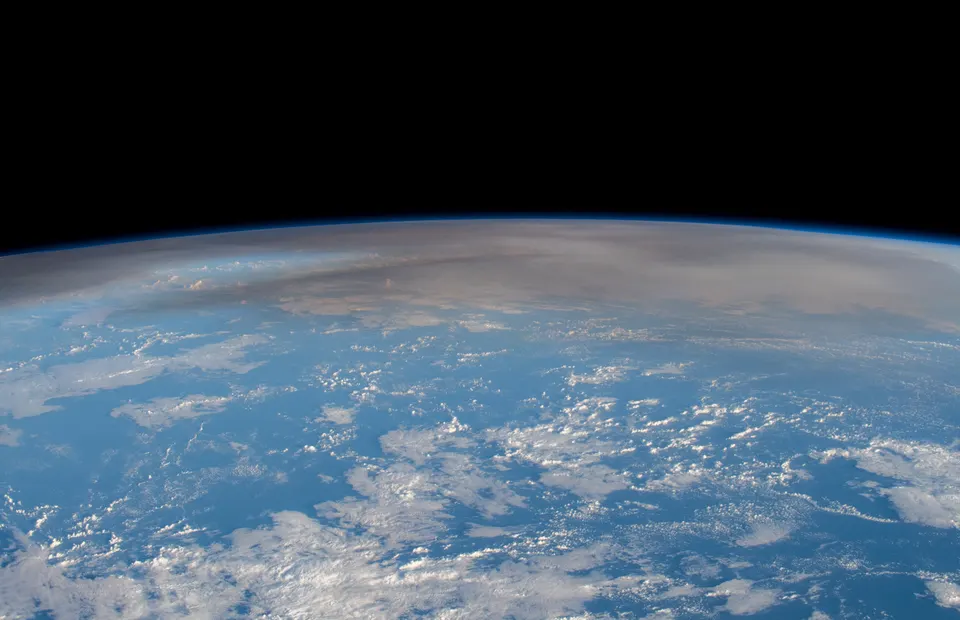
While the Middle East remains a tinderbox, global markets are grappling with a series of natural and corporate disasters. Typhoon Dolphin has battered Japan’s Okinawa and is now bearing down on the industrial heartlands of China. With power cut to tens of thousands of buildings and major shipping ports in the region on high alert, the storm threatens to further disrupt a global supply chain that is already reeling from the Hormuz closure. Weather scientists have been surprised by the accuracy of new AI models like DeepMind’s WeatherNext in predicting the storm’s path, but even the best data cannot stop the physical destruction of infrastructure that supports the global electronics trade.
This environmental pressure coincides with a brutal month for tech hardware, exemplified by Sandisk shares tumbling nearly 20%. The drop is a stark reminder that even the giants of the semiconductor and storage industries are not immune to the cooling demand for consumer electronics and the rising costs of logistics. For Iranian consumers, this means that even if the Toman were to stabilize, the price of laptops, smartphones, and server equipment is likely to rise due to these global supply shocks. The intersection of a major typhoon in the East and a maritime blockade in the West creates a "perfect storm" for global inflation that few central banks are prepared to handle.
Finally, in the realm of Western politics, the personal drama of former Scottish First Minister Nicola Sturgeon has taken a dark turn. Sturgeon revealed she has ceased all contact with her husband, Peter Murrell, following his imprisonment for embezzling party funds. While this may seem like a distant domestic issue, it highlights a broader trend of institutional decay in Western democracies. As established political figures face legal and personal collapses, the ability of these nations to project a unified front in international crises—such as the Hormuz standoff—is diminished. For the observer in Tehran, these stories of internal Western strife are often used by state media to argue that the "Old World Order" is crumbling, even as the Iranian public bears the brunt of the resulting instability.
Frequently Asked Questions
Why is the Emami coin price rising while the USD rate is falling?
What are Iran's specific demands for reopening the Strait of Hormuz?
How will Typhoon Dolphin affect the price of electronics in Iran?
The Geopolitical Significance of the Strait of Hormuz
The Strait of Hormuz is a narrow, strategically vital waterway connecting the Persian Gulf to the open ocean. Located between Iran and Oman, it is one of the world's most critical maritime chokepoints. For centuries, this passage has been essential for trade, but its modern importance stems primarily from its role in global energy markets. Any disruption or threat to navigation through the Strait sends ripples through international politics and economics, making it a constant focal point of geopolitical tension.
What makes the Strait of Hormuz so crucial is the sheer volume of oil and liquefied natural gas (LNG) that transits its waters daily. An estimated one-fifth of the world's total petroleum consumption, and a significant portion of global LNG, passes through this 21-mile wide channel. Major oil producers like Saudi Arabia, Iraq, UAE, Kuwait, Qatar, and Iran rely on the Strait for their exports, making it indispensable for global energy supply. Its unique geography, with narrow shipping lanes, means that any incident—from military exercises to tanker strikes or political demands—can severely impact global energy security.
Iran, situated along the northern coast of the Strait, holds a unique position to influence its passage. In times of heightened tension, particularly exacerbated by international sanctions, Iran has historically asserted its ability to disrupt shipping, using this leverage as a bargaining chip in its foreign policy. Such threats, whether explicit or implicit, can cause immediate spikes in oil prices, impacting economies worldwide. The recent headlines regarding Iran's demands for its reopening following a tanker strike underscore the ongoing fragility and the immense geopolitical weight carried by this narrow stretch of water, highlighting how local events can have profound global consequences.
Understanding the Strait of Hormuz isn't just about geography; it's about grasping a fundamental pillar of global energy security and the complex interplay of international relations, economics, and military strategy that converges in this critical chokepoint.
Topics
Related Articles