Trump Endorses Netanyahu Amid Regional War as Basij Claims US Defeat; Toman Calms After Volatility
حمایت ترامپ از نتانیاهو در میانه جنگ و ادعای بسیج درباره شکست آمریکا؛ آرامش نسبی در بازار ارز و طلا
US President Donald Trump has endorsed Israeli PM Netanyahu ahead of critical elections, while Iran's Basij chief claims Washington has accepted military defeat. In the markets, the Toman saw a slight 0.3% correction as regional tensions remain the primary driver of volatility.
At time of publishing
USD
262,500
Toman
Gold 18K
25.94M
Toman / gram
Bitcoin
$81,152
US Dollar
Tether
262,785
Toman
Geopolitics: Trump’s Endorsement and the 'Resilience' Narrative
In a move that has sent ripples through regional diplomatic circles, US President Donald Trump officially endorsed Israeli Prime Minister Benjamin Netanyahu this Sunday, October 18, 2026, ahead of the upcoming October 27 elections. This endorsement comes at a particularly sensitive time, as many Israelis have expressed public dissatisfaction with the Trump administration's handling of the ongoing regional conflict and his recent ceasefire proposals. The endorsement is seen by many as a high-stakes gamble to stabilize Netanyahu’s embattled political position, though its impact on a weary Israeli electorate remains uncertain.
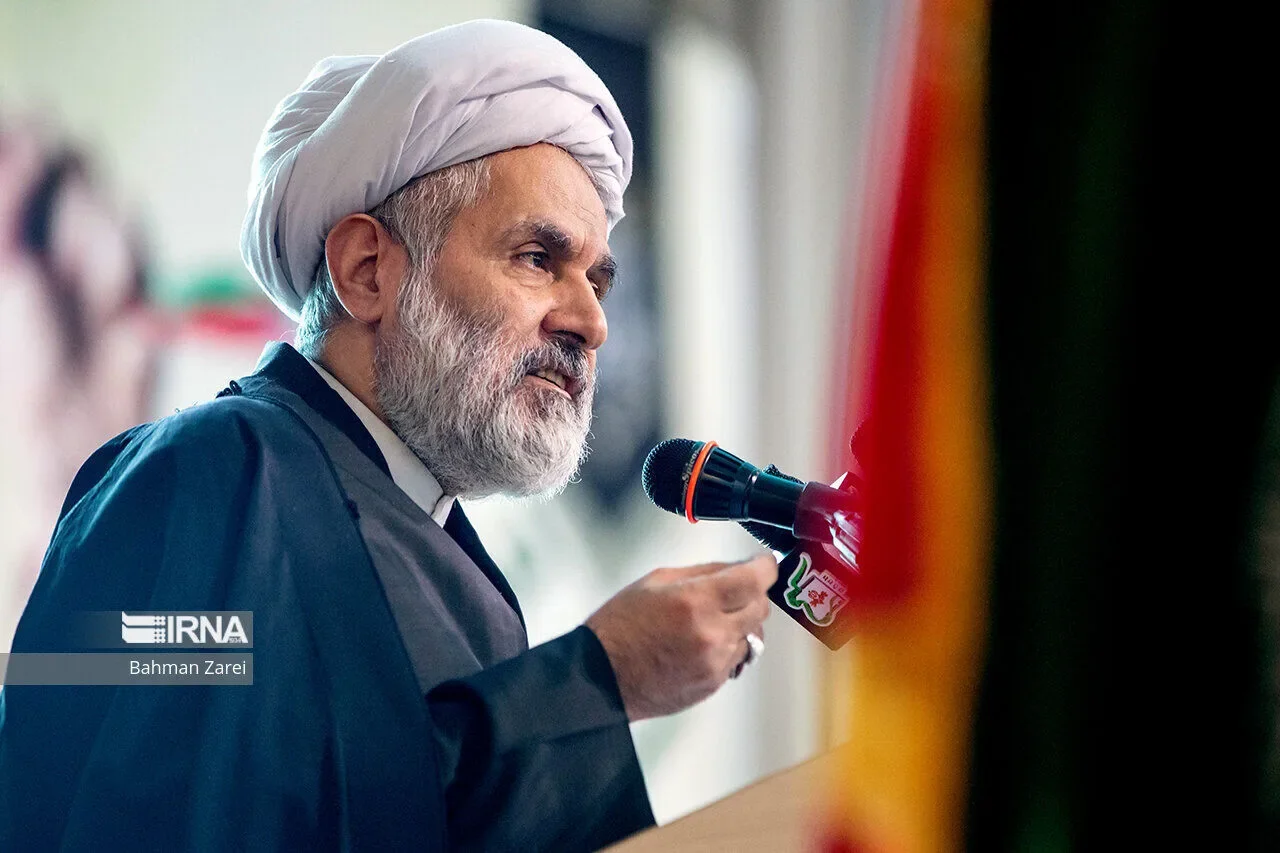
Simultaneously, in Tehran, Hossein Taeb, the head of the Basij Organization, claimed that the United States has effectively accepted defeat in its military confrontation with Iran. According to reports from the state-run IRNA, Taeb argued that Washington significantly miscalculated the resilience of the Iranian public and the sustainability of its armed forces. While such rhetoric is common from high-ranking Iranian officials, the timing—amidst shifting US political alliances and regional instability—suggests a concerted effort by the Islamic Republic to project strength to its domestic audience as economic pressures continue to mount.
Markets: Toman Corrects as Gold Follows Global Trends
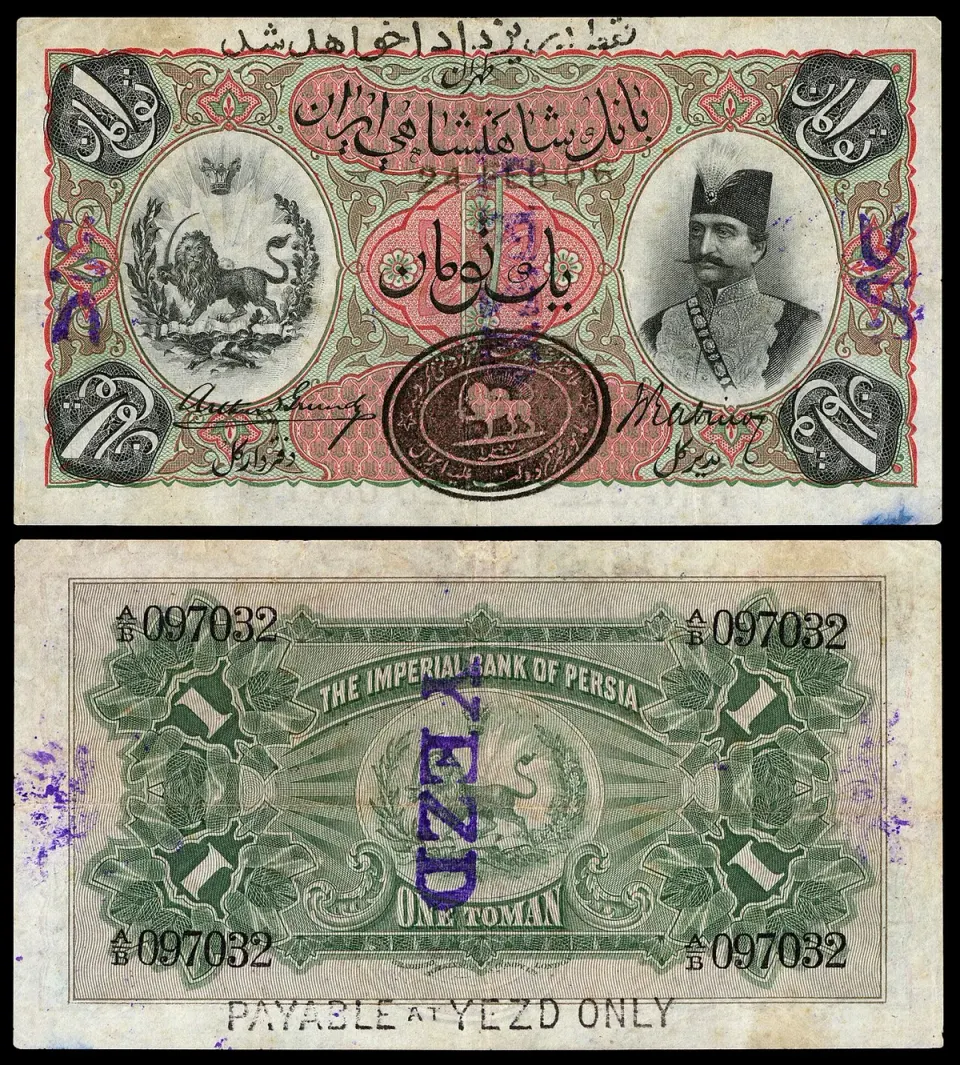
On the economic front, the Iranian Toman experienced a minor cooling period during the late hours of Sunday, October 18, 2026. The USD sell rate moved from 263,400 to 262,500, marking a 0.3% decrease over the last 24 hours. This slight retreat follows a period of heightened volatility and appears to be a technical correction rather than a shift in fundamental sentiment. Traders in the Tehran bazaar remain cautious, keeping a close eye on geopolitical developments in Israel and the broader Levant, which have historically served as the primary catalysts for sudden currency devaluations.
Gold and coin markets mirrored this downward trend. The price of 18k gold per gram fell from 26,051,525 to 25,938,408 Toman (-0.4%), while the Emami coin saw a marginal dip of 0.2%, closing at 266,000,000 Toman. Despite the local dip, global gold prices remain historically high at $4,166.10 per ounce. For the average Iranian saver, these slight fluctuations offer little relief from the long-term inflationary environment, but the pause in the Toman’s slide provides a temporary window of stability for those looking to manage short-term liquidity.
Technology: Disney’s AI Talent Grab Amid Startup Failures
In a major shift for the artificial intelligence sector, Disney has reached an agreement to hire the majority of the workforce from Character.AI, a prominent chatbot startup that recently filed for bankruptcy. This move follows the appointment of Character.AI’s former CEO, Karandeep Anand, as Disney’s first Chief Technology Officer. The entertainment giant is reportedly paying $20 million for specific assets, effectively performing an "acquihire" to bolster its internal AI capabilities. This development highlights a growing trend where legacy media companies are absorbing distressed tech startups to compete in the increasingly algorithmic landscape of content creation and fan engagement.
This consolidation of talent into one of the world's largest media conglomerates signals a new phase in the AI arms race. As smaller startups struggle with the massive capital requirements of training large models, giants like Disney are positioned to integrate these technologies into their vast intellectual property libraries. For the broader tech market, this serves as a cautionary tale about the sustainability of the AI hype cycle, while simultaneously proving that the underlying human capital remains the most valuable asset in the digital economy.
The Social Cost of Economic Shifts: A Legacy of Crisis
Beyond the daily price tickers, a deeper conversation about economic resilience is emerging globally. Recent reports have highlighted the long-term psychological and financial scars left by the Great Recession, with many individuals now in their 50s still relegated to the rental market despite earning six-figure salaries. This phenomenon, which resonates deeply with the middle class in both the West and Iran, challenges the traditional notion of "success" and homeownership. It reflects a systemic shift where high income no longer guarantees the same level of asset security it did for previous generations, leading to a sense of perpetual economic precariousness.
In Iran, this sentiment is amplified by decades of sanctions and currency instability. The struggle to move from liquid cash into hard assets like property is a shared experience for millions. As global markets grapple with the legacy of past crashes, the Iranian context remains a unique case study in how a population adapts to a "permanent crisis" mode. Whether it is the 0.3% move in the USD rate or the global price of gold, these numbers are more than just statistics; they represent the narrowing path to financial independence for the modern worker.

Frequently Asked Questions
چرا ترامپ در این زمان از نتانیاهو حمایت کرد؟
علت کاهش جزئی قیمت دلار در بازار تهران چیست؟
ماجرای قرارداد دیزنی و Character.AI چیست؟
The Impact of Geopolitical Risk on Currency Markets: The Case of the Iranian Toman
Geopolitical risk refers to the uncertainty and potential disruption caused by political events, conflicts, and international relations that can significantly impact global financial markets. Unlike traditional economic indicators, these risks are often unpredictable and can range from regional wars and political instability to trade disputes and changes in international alliances. For nations deeply embedded in complex geopolitical landscapes, understanding these forces is crucial for comprehending their economic stability.
In currency markets, geopolitical risk primarily manifests as volatility and depreciation. When political tensions escalate or conflict erupts, investors tend to move their capital away from perceived risky assets and regions towards safer havens, such as stable currencies (like the US Dollar or Swiss Franc) or commodities like gold. This "flight to safety" reduces demand for the local currency, causing its value to fall. Additionally, geopolitical events can lead to sanctions, trade disruptions, and reduced foreign investment, further eroding confidence in a nation's economic prospects and its currency.
The Iranian Toman serves as a poignant example of a currency heavily influenced by geopolitical factors. Decades of international sanctions, regional conflicts, and fluctuating diplomatic relations have subjected the Toman to extreme volatility. Headlines referencing "regional war," "US defeat claims," and political endorsements directly feed into market sentiment, affecting the Toman's perceived stability. When geopolitical tensions appear to ease, or a perceived "market correction" occurs, it often reflects a temporary shift in investor outlook regarding the future political and economic trajectory of Iran, leading to a stabilization or even appreciation of the Toman against the USD or in relation to gold prices within the country.
Thus, the Toman's value is not solely determined by conventional economic fundamentals like inflation or interest rates, but also by the intricate dance of international politics and regional power dynamics. For a curious reader, recognizing this interplay between geopolitics and currency performance provides a deeper understanding of why currencies in politically sensitive regions exhibit such dynamic and often unpredictable movements.
Topics
Related Articles