
BC Wildfires Force 18,000 to Evacuate as US Senate Sets September Showdown for Crypto Clarity Bill
تخلیه ۱۸ هزار نفر در پی آتشسوزیهای کانادا؛ سنای آمریکا مهلت نهایی لایحه شفافیت کریپتو را تعیین کرد
A massive wildfire in British Columbia has triggered mass evacuations, while the US Senate prepares for a landmark crypto vote in September. Meanwhile, the tech world faces an identity crisis as developers grow skeptical of AI's ethical and environmental costs.
At time of publishing
USD
186,000
Toman
Gold 18K
18.76M
Toman / gram
Bitcoin
$64,992
US Dollar
Tether
186,194
Toman
Climate Crisis Hits British Columbia: 18,000 Evacuated
The Bald Range fire in British Columbia has escalated into a major humanitarian and environmental crisis, forcing the immediate evacuation of more than 18,000 residents from the Summerland and Peachland districts. As of Saturday evening, officials report that the blaze has consumed over 23,000 acres, driven by aggressive winds and a persistent heatwave that has parched the Pacific Northwest. This event isn't just a local tragedy; it serves as a stark reminder of the increasing volatility in global climate patterns that frequently disrupt supply chains and commodity markets.
For investors and observers in the Middle East, these North American climate events often correlate with shifts in energy demand and insurance premiums. While the immediate impact on oil prices might be negligible, the systemic risk posed by extreme weather continues to push institutional capital toward "green" hedges or, conversely, safe-haven assets like gold when regional stability is threatened by natural disasters. The scale of this evacuation highlights the growing inability of even developed nations to contain rapid-onset climate catastrophes, a factor that contributes to the general sense of global "polycrisis" influencing market sentiment.
US Senate Sets September Deadline for Crypto CLARITY Act
In Washington, Senate Majority Leader John Thune has officially filed a motion to proceed with the CLARITY Act, effectively scheduling a high-stakes vote for mid-September. This move is being hailed by the crypto industry as a "now or never" moment for regulatory certainty in the United States. The bill aims to establish a clear market structure for digital assets and stablecoins, potentially removing the legal gray area that has plagued major exchanges and decentralized finance (DeFi) protocols for years. With Bitcoin currently hovering around the $64,992 mark, the prospect of federal legislation is acting as a double-edged sword: providing hope for institutional adoption while raising fears of over-regulation.
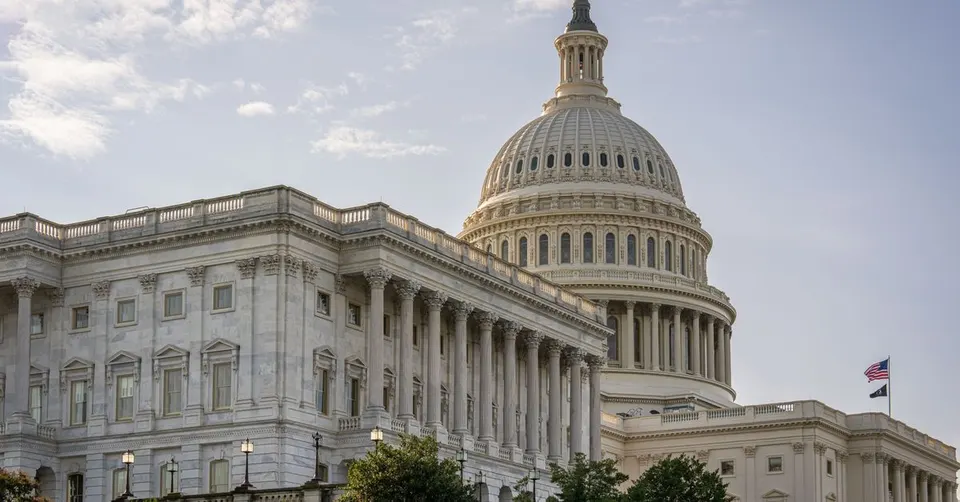
The timing of this vote is particularly critical for Iranian users who rely heavily on USDT (Tether) for cross-border transactions and wealth preservation. If the CLARITY Act imposes strict stablecoin reserves or KYC (Know Your Customer) requirements that affect global liquidity, the "Tether premium" in Tehran could see significant volatility. Currently, USDT is trading at 186,194 Toman, and any shift in US policy that impacts the dollar-pegged asset will immediately resonate in the local P2P markets. Traders are advised to watch the September deadline closely, as it will likely dictate the crypto market's trajectory for the remainder of 2026.
The AI Paradox: Ethics, Jobs, and Environmental Fallout
The tech industry is currently grappling with a profound identity crisis, as evidenced by a growing number of software developers expressing skepticism toward the very AI tools they are expected to build. A recent profile of an unemployed developer highlights a burgeoning trend: a refusal to participate in AI projects that are perceived as ethically dubious or technically flawed—such as using AI to dispatch ambulances. This skepticism comes at a time when the job market is increasingly bifurcated; while "AI-native" roles are surging, traditional software engineering positions are being squeezed by automation and corporate cost-cutting.

Compounding this tension is the environmental cost of the AI boom. Reports have emerged that Amazon’s new data center in West Texas may be powered by one of the most polluting gas-burning plants in the United States. This highlights the "dirty secret" of the digital revolution: the massive computational power required for modern LLMs (Large Language Models) is driving a surge in greenhouse gas emissions, often contradicting the sustainability pledges of the tech giants. For the global economy, this suggests that the next phase of tech growth will be defined by a struggle between rapid innovation and the physical limits of power grids and environmental regulations.
Regional Realignment: Extraditions and Defense Pacts
In a significant development for international law enforcement, an Irish government jet has traveled to the UAE to facilitate the extradition of Daniel Kinahan. Kinahan, who was arrested in Dubai following a warrant issued in April, has long been a central figure in high-profile criminal investigations. His return to Ireland marks a major victory for diplomatic cooperation between the West and the Gulf states, signaling that the UAE is increasingly unwilling to serve as a sanctuary for those evading European justice systems. This move reflects a broader trend of "regulatory alignment" as Gulf nations seek to strengthen their standing in the global financial community.
Meanwhile, the regional landscape around Iran is shifting with the emergence of the Saudi-Pakistan-Turkiye pact. While the agreement does not explicitly name an adversary, analysts suggest it is a strategic signal aimed at balancing Iranian influence and its regional network. This "new shield" represents a consolidation of Sunni-majority military and economic power, potentially complicating Tehran’s diplomatic maneuvers. In the local market, these geopolitical shifts often manifest in currency fluctuations; the USD/IRR rate recently moved from 186,700 to 186,000 (-0.4%), reflecting a cautious but stable sentiment as traders weigh these new regional dynamics against domestic economic pressures.
Gold’s Idiosyncratic Surge in Tehran
Despite the slight dip in the global gold price to $4,343.30 per ounce, the Tehran market continues to show idiosyncratic resilience. The Emami gold coin actually rose by 0.8%, moving from 185,000,000 to 186,500,000 Toman, even as 18k gold per gram saw a 1.0% decrease (falling from 18,957,477 to 18,758,945 Toman). This divergence highlights the "coin premium" that often emerges in the Iranian market during times of geopolitical uncertainty, as local investors prioritize liquid, physical assets over paper-based or international benchmarks.

The Atomic Energy Organization of Iran (AEOI) chief recently emphasized the role of journalists in "narrating the truth," a statement that comes amid a broader state effort to control the economic narrative. However, the divergence between official rhetoric and market reality remains a key theme for 2026. As the global economy faces inflationary pressures and regional alliances shift, the Iranian public’s reliance on gold as a hedge against the Toman’s volatility remains the dominant strategy, regardless of the "victory" claims made by state institutions regarding the media war.
Frequently Asked Questions
Why is the Emami coin rising while global gold prices are falling?
What is the CLARITY Act and why should Iranian crypto users care?
How do the British Columbia wildfires affect global markets?
Understanding the CLARITY Act: Why Regulatory Clarity Matters for Cryptocurrencies
The CLARITY Act—short for the Crypto‑Legislative and Regulatory Incentives for Transparency and Innovation bill—represents the most comprehensive attempt by the U.S. Senate to give the fast‑moving crypto industry a clear set of federal rules. At its core, the legislation seeks to define what constitutes a "digital asset," establish licensing requirements for exchanges, and create a framework for anti‑money‑laundering (AML) and consumer‑protection obligations. By codifying these definitions, the bill hopes to eliminate the patchwork of state‑level regulations that have left businesses uncertain about compliance.
Regulatory clarity is more than a legal convenience; it directly influences market stability and innovation. When firms know the rules of the game, they can allocate capital to product development rather than legal defense, attracting institutional investors who have traditionally shied away from the sector due to regulatory risk. Moreover, clear standards help law‑enforcement agencies target illicit activity without stifling legitimate users, striking a balance between security and growth.
The CLARITY Act also introduces a “sandbox” provision, allowing vetted projects to test new financial products under temporary regulatory exemptions. This mirrors approaches taken by the UK’s Financial Conduct Authority and aims to foster experimentation while still safeguarding the public. If passed in September, the bill could set a precedent for other countries grappling with how to integrate digital assets into existing financial systems.
Critics warn that overly strict definitions could lock out smaller innovators and cement the dominance of established exchanges. The debate in the Senate therefore centers on finding a middle ground that protects consumers, curbs illicit use, and preserves the open‑source ethos that fuels crypto’s rapid evolution.
Understanding the CLARITY Act helps anyone following the crypto space grasp why the coming September vote is being billed as a "showdown"—the outcome will shape the regulatory landscape for years to come, influencing everything from token offerings to everyday payments.
Topics
Related Articles