Hormuz Stalemate Persists as Iran Issues Power Warning; Markets React to Global Energy Woes
بنبست هرمز ادامه دارد؛ ایران هشدار قدرت داد؛ بازارها نگران اختلال انرژی جهان
Diplomatic efforts to resolve the Hormuz Strait crisis show mixed signals, with Oman reporting positive talks while Iran issues stark warnings about its strategic power. Meanwhile, global airlines scramble for jet fuel amid ongoing disruptions, impacting energy markets and potentially driving inflation.
At time of publishing
USD
186,000
Toman
Gold 18K
18.76M
Toman / gram
Bitcoin
$64,974
US Dollar
Tether
186,459
Toman
Hormuz Stalemate Continues Amid Conflicting Signals
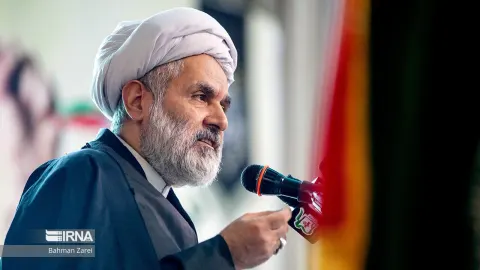
Diplomatic channels appear to be working, at least publicly, to de-escalate the crisis surrounding the Strait of Hormuz. Oman has reported positive progress in talks aimed at establishing a new shipping route, suggesting a potential pathway forward. However, these optimistic pronouncements are sharply contrasted by stern warnings from Iran. The Islamic Revolution Guards Corps (IRGC) spokesperson, Brigadier General Hossein Mohebbi, declared that the Strait of Hormuz has transformed from a mere economic passage into a potent strategic tool of power and warfare, reflecting the evolving nature of modern conflicts. This dual messaging creates significant uncertainty, leaving international observers and market participants struggling to gauge the true state of affairs.
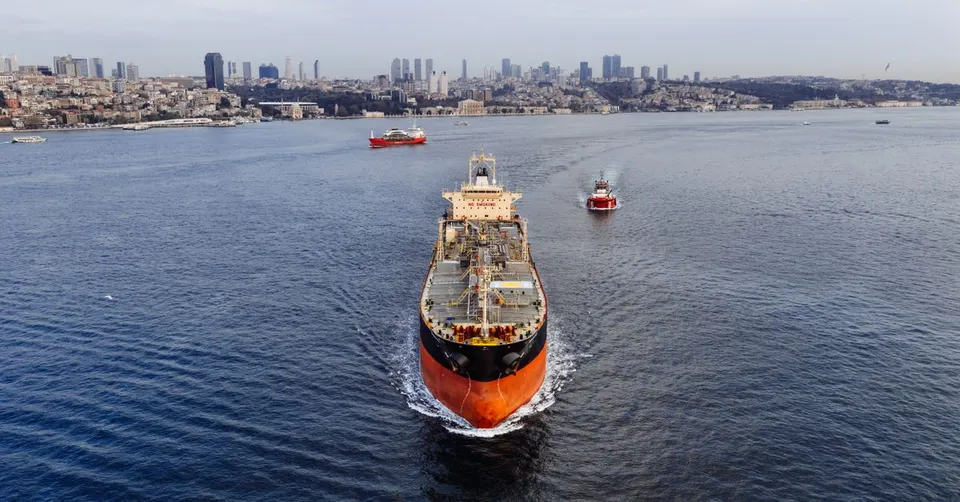
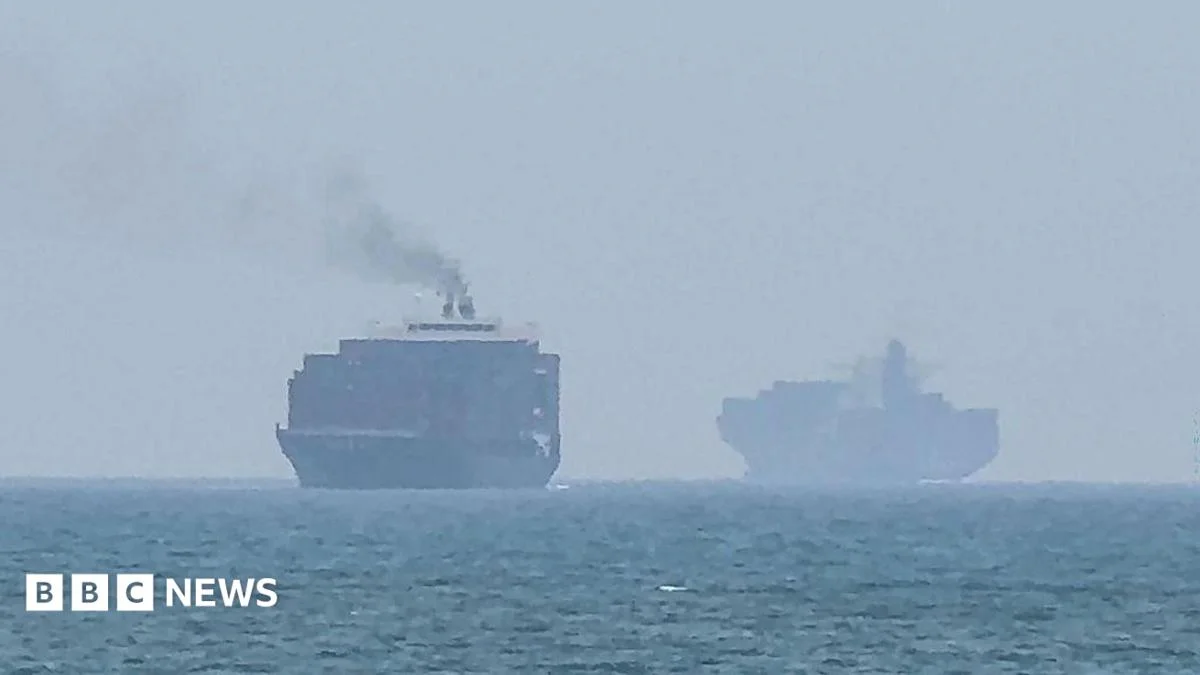
The implications of this ongoing standoff are far-reaching. The Strait of Hormuz is a critical chokepoint, responsible for the transit of approximately 20% of the world's oil when operational. Its prolonged closure, stemming from the U.S.-Israeli war on Iran, has already triggered severe jet fuel shortages globally, impacting airline operations and potentially driving up transportation costs. This energy disruption creates a ripple effect, exacerbating inflationary pressures and adding to the general market anxiety. For Iran, while the IRGC frames the Strait as a strategic asset, the economic ramifications of its closure, including potential sanctions and reduced trade, remain a significant concern for its domestic economy and currency stability.
---
Global Airlines Scramble for Fuel as Hormuz Disruption Wears On
The global aviation industry is facing a critical juncture as the prolonged closure of the Strait of Hormuz continues to cripple jet fuel supplies. Airlines worldwide are engaged in a desperate scramble to secure enough fuel to maintain their flight schedules, a task made increasingly difficult by the ongoing disruption. This situation is not merely an inconvenience; it represents a significant operational and financial challenge for carriers already operating on thin margins. The impact extends beyond immediate flight cancellations or delays, threatening the viability of routes and potentially leading to increased ticket prices for consumers.

The root cause, the U.S.-Israeli war on Iran and the subsequent closure of this vital trade corridor, underscores the interconnectedness of global security and economic stability. The Strait of Hormuz, when open, is a linchpin for approximately 20% of the world's oil transit. Its current inaccessibility has created a global energy crunch, with cascading effects on inflation and supply chain resilience. This energy crisis could translate into higher costs for businesses across various sectors, not just aviation, potentially dampening economic growth worldwide and increasing the attractiveness of safe-haven assets like gold.
---
Hunter Biden Discusses Father's Health Amidst Broader Geopolitical Calm
In a recent interview, Hunter Biden provided a poignant update on his father, former U.S. President Joe Biden's, health. He revealed that the former president's prostate cancer has reportedly spread and is causing him pain, describing the situation as difficult to watch. This personal disclosure offers a glimpse into the private challenges faced by a prominent political figure, potentially influencing domestic political narratives within the United States. While the news itself is personal, the public's awareness of a leader's health can sometimes intersect with perceptions of stability and policy continuity.

From a market perspective, this news, while significant on a human level, does not appear to be driving immediate policy shifts or major geopolitical realignments at this precise moment. The broader geopolitical landscape, while always tense, is not currently dominated by this specific development in the same way as the ongoing Hormuz Strait crisis or the global energy crunch. Therefore, its impact on markets is likely to be indirect, potentially affecting investor sentiment or political risk assessments in the U.S. rather than triggering broad-based market movements. The focus for global markets remains firmly on the tangible economic consequences of the Hormuz disruption and the broader energy sector dynamics.
Frequently Asked Questions
What is the current status of negotiations regarding the Strait of Hormuz?
How is the Strait of Hormuz closure affecting global airlines?
What is the IRGC's stance on the Strait of Hormuz?
What are the broader economic implications of the Hormuz disruption?
What is the latest personal health update regarding former U.S. President Joe Biden?
The Strategic Significance of the Strait of Hormuz
The Strait of Hormuz is a narrow waterway—about 21 miles (34 km) wide at its narrowest point—that connects the Persian Gulf with the open ocean. Despite its modest size, it channels roughly 20% of the world’s petroleum and a comparable share of liquefied natural gas (LNG) shipments each day. Because most of the world’s oil‑producing nations in the Middle East (Iran, Iraq, Saudi Arabia, Kuwait, and the United Arab Emirates) rely on this corridor to reach global markets, any disruption can instantly ripple through oil prices, airline fuel costs, and even the price of everyday goods.
Geopolitically, the strait is a classic chokepoint: a single route that can be blocked or threatened by a relatively small naval force. Iran’s Islamic Revolutionary Guard Corps (IRGC) has repeatedly signaled its capacity to close the strait—by mining the waters, deploying fast attack craft, or using anti‑ship missiles—especially during periods of heightened tension with the United States or its regional allies. Such threats are not merely rhetorical; in 2019, Iran’s seizure of a Japanese‑flagged tanker in the Gulf sparked a brief but sharp spike in Brent crude, illustrating how quickly markets react to perceived risk.
The economic fallout of a closure would be profound. Jet fuel, already under pressure from supply chain constraints, would see prices surge, exacerbating the global jet‑fuel shortage that airlines have been battling since 2022. Higher fuel costs feed into ticket prices, freight rates, and ultimately consumer inflation worldwide. Moreover, countries that depend heavily on oil imports—such as India, China, and many European nations—would face balance‑of‑payments stress, potentially prompting policy shifts toward alternative energy sources or strategic petroleum reserves.
Because of its outsized influence, the strait is a focal point of international diplomacy. Navies from the United States, United Kingdom, France, and India regularly conduct freedom‑of‑navigation operations to reassure commercial shipping. Simultaneously, diplomatic channels—often mediated by the United Nations or regional bodies—work to de‑escalate rhetoric and prevent accidental confrontations. Understanding the strategic calculus of the Strait of Hormuz helps explain why a seemingly local dispute can trigger global energy volatility and why policymakers monitor it so closely.
Topics
Related Articles