Iran Demands War Reparations for Hormuz Reopening as Global Energy Crisis Intensifies
شروط سنگین ایران برای بازگشایی تنگه هرمز؛ درخواست غرامت جنگی در اوج بحران انرژی
Foreign Minister Abbas Araghchi has linked the reopening of the Strait of Hormuz to compensation for war damages, complicating global efforts to stabilize energy markets. Meanwhile, gold prices in Tehran have edged higher as the market weighs the risks of a prolonged maritime blockade.
At time of publishing
USD
186,000
Toman
Gold 18K
18.91M
Toman / gram
Bitcoin
$64,805
US Dollar
Tether
186,204
Toman
The High Stakes of the Hormuz Blockade
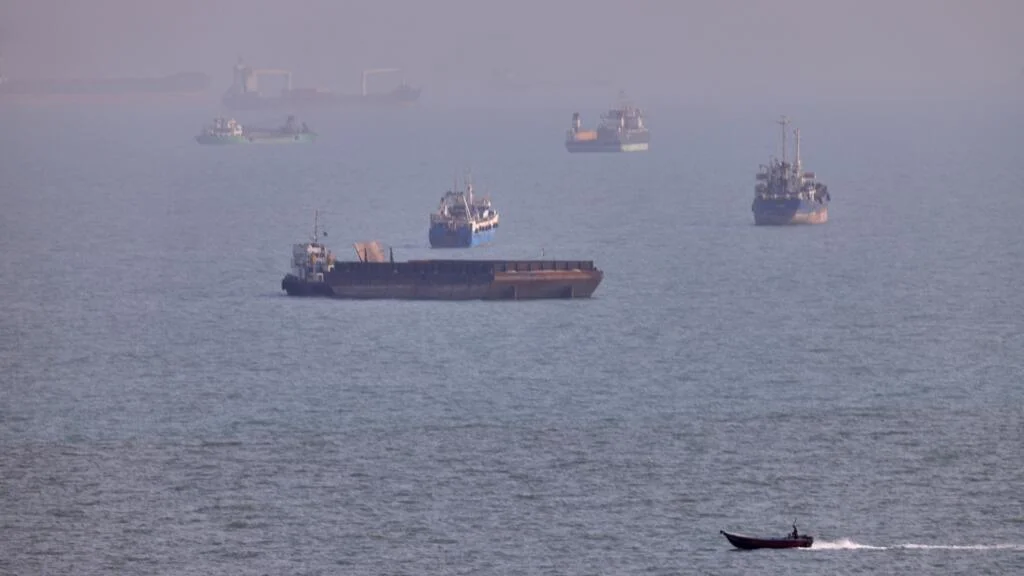
Iranian Foreign Minister Abbas Araghchi has significantly raised the stakes in the ongoing maritime standoff, stating that the reopening of the Strait of Hormuz is now contingent on a list of demands, most notably compensation for war damages. While discussions with Omani mediators are reportedly entering their final stages, the introduction of financial and political conditions suggests that Tehran is leveraging its control over the world’s most vital oil chokepoint to secure a comprehensive settlement. This development comes as the global energy system continues to reel from the months-long closure, which has disrupted roughly 20 percent of the world’s oil supply and forced airlines into a desperate scramble for jet fuel.
The impact of this closure is no longer theoretical. Refiners and gas importers worldwide are searching for alternative supplies, with U.S. crude and LNG production acting as a critical but insufficient cushion. For the average Iranian, this geopolitical tug-of-war manifests in the marketplace; while the USD/IRR rate has remained steady at 186,000 Toman at this hour, the underlying tension is driving a flight to safety. The demand for war reparations indicates that the government is prepared for a long-term stalemate, prioritizing strategic leverage over immediate de-escalation, even as the domestic economy faces the inflationary pressures of a wartime footing.
Scientific Diplomacy and the BRICS Pivot
While the maritime crisis dominates the headlines, Tehran is actively pursuing a strategy of "scientific and academic soft power" to bypass Western isolation. Recent agreements with South Africa and Indonesia highlight a concerted effort to deepen ties within the BRICS framework and emerging economies. These deals, which focus on faculty exchanges, STEM research, and food security, are designed to ensure that Iran’s intellectual and technological growth is not entirely stifled by sanctions or the current conflict. By aligning with Jakarta and Pretoria, the administration is attempting to build a parallel network of cooperation that operates outside the traditional Western-led academic and economic order.
This pivot toward the Global South is also reflected in the logistical management of regional movements. Despite the heightened tensions, thousands of Afghan pilgrims continue to enter Iran via the Dogharoun border crossing, destined for holy sites in Iraq. This movement serves as a reminder that regional religious and cultural ties remain resilient, providing a steady stream of cross-border activity that the government is keen to maintain. For the Iranian public, these scientific and regional developments are a double-edged sword: they offer a glimpse of a future integrated with the East, yet they also underscore the reality that the path toward Western normalization remains effectively blocked for the foreseeable future.
Market Volatility and the Bitcoin Civil War
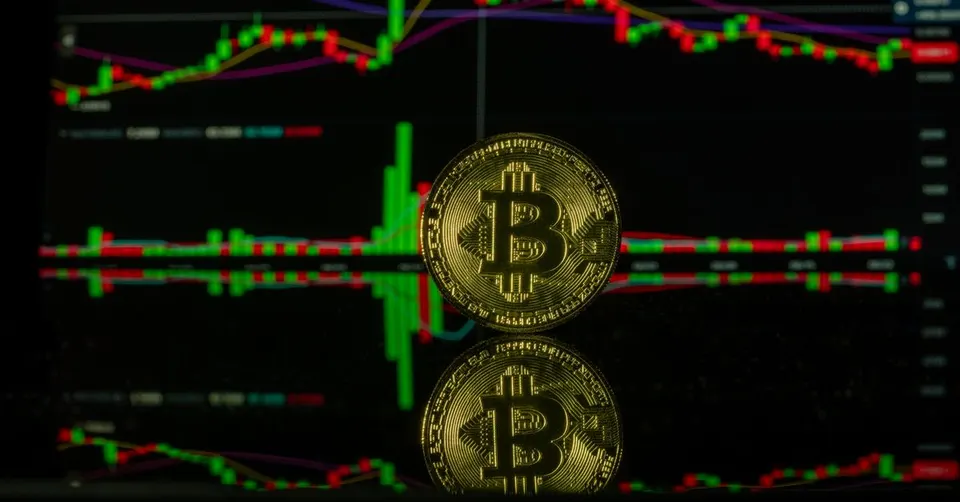
In the financial markets, the atmosphere remains one of cautious observation. Gold 18k/gram has risen from 18,758,945 to 18,906,690 Toman (+0.8%), reflecting a classic hedge against the uncertainty of the Hormuz negotiations. Interestingly, the Emami gold coin saw a slight dip from 186,500,000 to 186,000,000 Toman (-0.3%), suggesting a possible correction or a shift in local liquidity preferences. Meanwhile, the cryptocurrency sector is facing its own internal crisis. Bitcoin is currently trading at $64,805, but the network is grappling with a controversial fork known as BIP-110. This proposal, which seeks to limit non-financial data on the blockchain, has split the community and resulted in a minority chain that is struggling to find hashpower.
The technical drama in the crypto world mirrors the fragmentation seen in global geopolitics. Just as nations are choosing sides in the energy war, Bitcoin miners and nodes are being forced to choose between different visions of the network’s future. For Iranian investors who have increasingly turned to digital assets as a store of value, this instability adds another layer of risk. The failure of the BIP-110 signaling to gain broad support suggests that the main Bitcoin network will remain the dominant force, but the threat of "remote Lightning access" attacks—which have already led to stolen funds on some nodes—serves as a stark reminder that the digital frontier is as fraught with peril as the physical trade routes of the Persian Gulf.
Frequently Asked Questions
What are Iran's specific demands for reopening the Strait of Hormuz?
How is the Hormuz closure affecting the price of gold in Iran?
What is the BIP-110 fork in Bitcoin and why does it matter?
Strategic Chokepoints: Why the Strait of Hormuz Matters to the World Economy
A strategic chokepoint is a narrow geographic passage—such as a strait, canal, or mountain pass—through which a disproportionate share of global trade must flow. Because the route is limited in capacity, any disruption can cause outsized price spikes, rerouting costs, and even geopolitical tension. The concept is rooted in both geography and economics: the fewer alternative pathways, the more power the controlling state (or group of states) wields over the flow of goods, especially energy commodities like oil and gas.
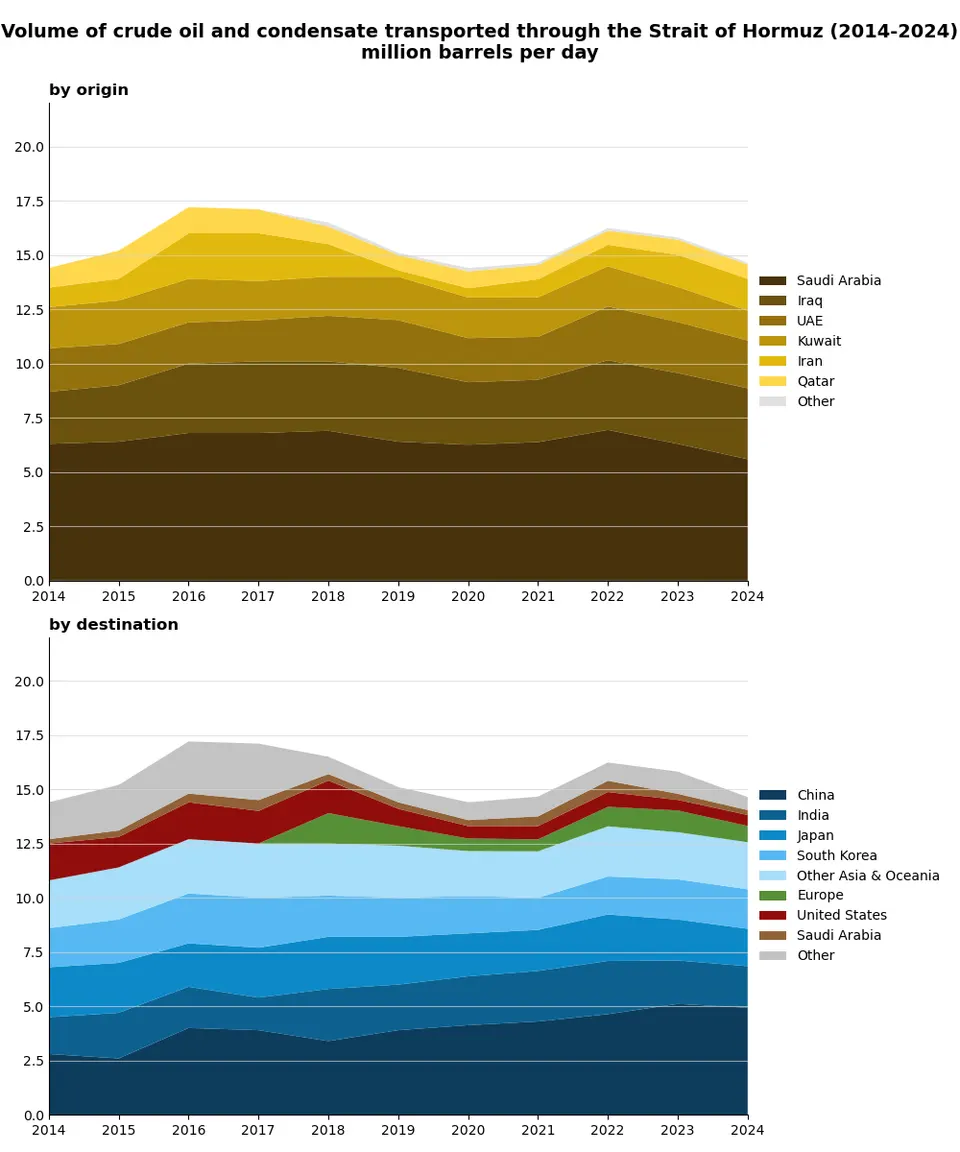
The Strait of Hormuz exemplifies a chokepoint of extreme importance. It is only about 21 nautical miles wide at its narrowest point, yet it carries roughly 20‑30% of the world’s petroleum—including crude oil and refined products—from the Persian Gulf to global markets. When the strait is threatened, oil‑dependent economies feel the impact almost immediately, as seen in the 2019‑2020 price surge when regional tensions rose. The narrowness also makes it vulnerable to mines, missile attacks, or the deliberate closure of shipping lanes, turning a geographic feature into a lever of political power.
Because of its outsized role, the Hormuz chokepoint sits at the intersection of sanctions policy, BRICS cooperation, and global energy security. Countries that rely heavily on Gulf oil—such as India, China, and many European nations—have a vested interest in keeping the waterway open, prompting diplomatic outreach and, at times, joint naval patrols. Conversely, nations under sanctions, like Iran, may use the threat of disrupting Hormuz as a bargaining chip, demanding reparations or concessions in exchange for maintaining free passage.
Understanding chokepoints helps explain why seemingly regional disputes can trigger worldwide economic ripples. It also clarifies why investments in alternative routes (e.g., pipelines, the Northern Sea Route, or renewable energy) are seen as strategic hedges against the risk of a single point of failure. As the 2026 energy crisis deepens, the strategic calculus around Hormuz—and other chokepoints such as the Suez Canal and the Panama Canal—will remain a focal point for policymakers and investors alike.
For anyone following the evolving geopolitics of energy, grasping the chokepoint concept provides a lens to assess future risks, from war reparations claims to new trade alliances. It underscores that geography still shapes economics, even in an increasingly digital and decarbonizing world.
Topics
Related Articles