Trial Circus in the US, Ideological Pushes in Tehran, and Odesa’s Port Under Fire
جنجال رسانهای در دادگاه آمریکا، همایش ایدئولوژیک در تهران و حملات سنگین به بنادر اودسا
A high-stakes US murder trial descends into a media circus as influencers clash with journalists, while Tehran prepares for a major ideological conference. Meanwhile, Russian strikes on Odesa threaten global food security as the Toman sees a slight 0.2% uptick.
At time of publishing
USD
186,300
Toman
Gold 18K
18.68M
Toman / gram
Bitcoin
$64,929
US Dollar
Tether
185,856
Toman
The Digital Circus Surrounding the Mangione Trial
The upcoming trial of Luigi Mangione, the man accused of killing UnitedHealthcare CEO Brian Thompson, is rapidly evolving into what legal experts call a "trial of the century" for the social media age. As proceedings approach, a fierce dispute has erupted over press access, highlighting a growing tension between traditional journalism and the rise of social media influencers. Lawyers for Mangione have raised significant red flags regarding the limitations placed on reporters, arguing that the intense global interest requires a more transparent and organized approach to media credentials. The case has become a lightning rod for public frustration with the American healthcare system, making the courtroom atmosphere even more volatile.
This development matters because it signals a shift in how high-profile justice is administered in the United States. When social media influencers are granted the same status as investigative journalists, the focus often shifts from legal facts to viral soundbites. For international observers and investors, this "media circus" reflects a deeper social instability within the U.S., where public sentiment can often overshadow the rule of law. As the trial progresses, the circus-like atmosphere could potentially impact public trust in institutional justice, a factor that indirectly influences market confidence in American social stability.

Tehran’s Ideological Signaling and the "Mujahideen in Exile"
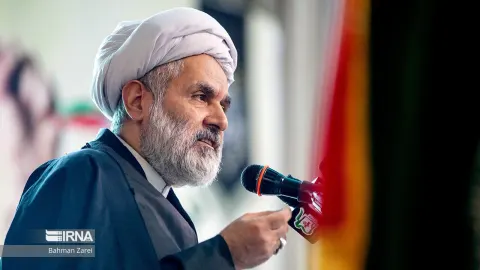
Iranian state media has announced that the 11th International Conference of Mujahideen in Exile will be held on August 10 at the University of Tehran. According to reports from IRNA, the event is designed to focus on the "ideas and conduct" of the Leader of the Islamic Revolution, Ayatollah Seyyed Ali Khamenei, specifically highlighting his decades of religious and political activism. This conference comes at a time when the Iranian government is increasingly looking to consolidate its ideological narrative both domestically and among its regional allies. By framing the Leader's legacy through the lens of "exile" and "struggle," the state seeks to reinforce a sense of continuity and resilience in the face of ongoing international pressure.
For the average person in Iran, these high-level ideological gatherings often feel distant from the immediate economic pressures of daily life. However, they are critical indicators of the state's strategic priorities. Such conferences are frequently used to signal strength to regional proxies and to maintain internal cohesion within the hardline factions of the government. While the rhetoric remains focused on religious activism, the underlying message is one of defiance. This ideological hardening often precedes shifts in foreign policy or domestic enforcement, making it a key area of focus for those tracking the long-term stability of the Iranian political landscape.
Odesa Under Fire: A Threat to Global Food Security
Geopolitical tensions have spiked again as Russian forces launched what Ukrainian President Volodymyr Zelenskyy described as a "brutal" attack on the port city of Odesa. The strikes have reportedly killed several people and caused significant damage to infrastructure critical for global food exports. Zelenskyy has accused Moscow of intentionally targeting the port to disrupt food security, a move that directly impacts international grain markets. This escalation comes amidst an intensifying drone war, with Ukraine also having to deny responsibility for a drone crash near a gas pipeline in Bulgaria, highlighting how the conflict is increasingly spilling over into neighboring territories and critical energy corridors.

The economic implications of these attacks are immediate. Odesa remains a vital artery for the global supply of wheat and corn; any disruption there sends ripples through commodity markets worldwide. For Iran, which remains sensitive to global food price fluctuations despite its own internal production, these strikes could lead to higher import costs for essential goods. Furthermore, the administrative friction seen in the West—such as the recent UK Home Office "error" that stripped a long-term Italian resident of his rights—shows a growing bureaucratic strain that complicates international trade and movement. As global logistics face both physical and administrative hurdles, the risk premium on international trade continues to climb.
The AI Barons and the New Philanthropy
A new generation of billionaires, minted by the rapid expansion of artificial intelligence, is beginning to make public pledges to give away their fortunes. Dubbed the "AI Barons," these figures are following in the footsteps of traditional tech moguls but with a faster accumulation of wealth. According to reports, these individuals are preparing to redirect billions toward various global causes, though skeptics call it a "multi-billion-dollar pinky promise." The shift represents a potential transfer of immense power from private tech dominance to large-scale philanthropic initiatives, which could reshape sectors like education, healthcare, and climate change research over the next decade.
For the tech industry and the wider market, this trend suggests that the first wave of massive AI profits is now being consolidated. While the promise of giving back is positive, it also raises questions about the influence these "barons" will have over public policy through their foundations. As AI continues to drive market valuations, the way these fortunes are spent will likely determine the social license these companies have to operate. For now, the market remains focused on the immediate utility of AI tools, like the new open-source transcription services that are challenging subscription-based models, proving that the AI revolution is happening both at the billionaire level and the grassroots level.

Frequently Asked Questions
How do the Odesa port strikes affect the Iranian economy?
What is the significance of the 'Mujahideen in Exile' conference in Tehran?
Why is the Luigi Mangione trial being called a 'media circus'?
Global Food Security: When Conflict Threatens Our Plates
The phrase "Global Food Security" might sound like a simple concept, but it's a complex and critical issue that underpins societal stability and economic well-being worldwide. At its core, food security means that all people, at all times, have physical, social, and economic access to sufficient, safe, and nutritious food that meets their dietary needs and food preferences for an active and healthy life. This definition, adopted by the Food and Agriculture Organization (FAO), breaks down into four pillars: availability, access, utilization, and stability. When any of these pillars are compromised, the ripple effects can be devastating.
The recent "Odesa port strikes" highlighted in the news offer a stark example of how geopolitical conflicts directly threaten global food security. Ukraine is a major global producer and exporter of grains, particularly wheat and corn, and Odesa is one of its most vital Black Sea ports. When this port, or the shipping lanes leading to it, are under attack or blockaded, it severely disrupts the flow of these essential commodities to international markets. This isn't just a regional problem; it affects countries thousands of miles away that rely on Ukrainian exports to feed their populations.
Such disruptions lead to immediate consequences: a reduction in global supply, which inevitably drives up food prices. For nations that are net food importers, especially those with vulnerable economies, this price surge can trigger widespread food insecurity, exacerbate poverty, and even spark social unrest. The "Toman exchange rate" keyword, for instance, hints at how such global commodity price shocks can put pressure on national currencies in importing countries, further eroding purchasing power and making food even more unaffordable for ordinary citizens.
Ultimately, understanding global food security means recognizing the intricate web of factors—from agricultural production and supply chains to international trade policies and geopolitical stability—that determine whether humanity can feed itself. The vulnerability of a single critical port like Odesa underscores how localized conflicts can have profound and far-reaching humanitarian and economic repercussions, reminding us that food is not just sustenance, but a cornerstone of peace and prosperity.
Topics
Related Articles