Lake Mead Hits 90-Year Low as Tehran Consolidates Power Under Veteran IRGC Guard
سقوط تاریخی سطح آب در دریاچه مید آمریکا و تحکیم قدرت «گارد قدیمی» در تهران
The American West faces a severe water crisis as Lake Mead reaches a historic low, while in Tehran, a significant reshuffle sees IRGC veterans taking key advisory roles. Meanwhile, global markets react to Ford's EV gamble and a massive storm hitting China.
At time of publishing
USD
185,700
Toman
Gold 18K
18.76M
Toman / gram
Bitcoin
$65,169
US Dollar
Tether
185,887
Toman
The Colorado River’s Breaking Point: Lake Mead Hits Historic Low
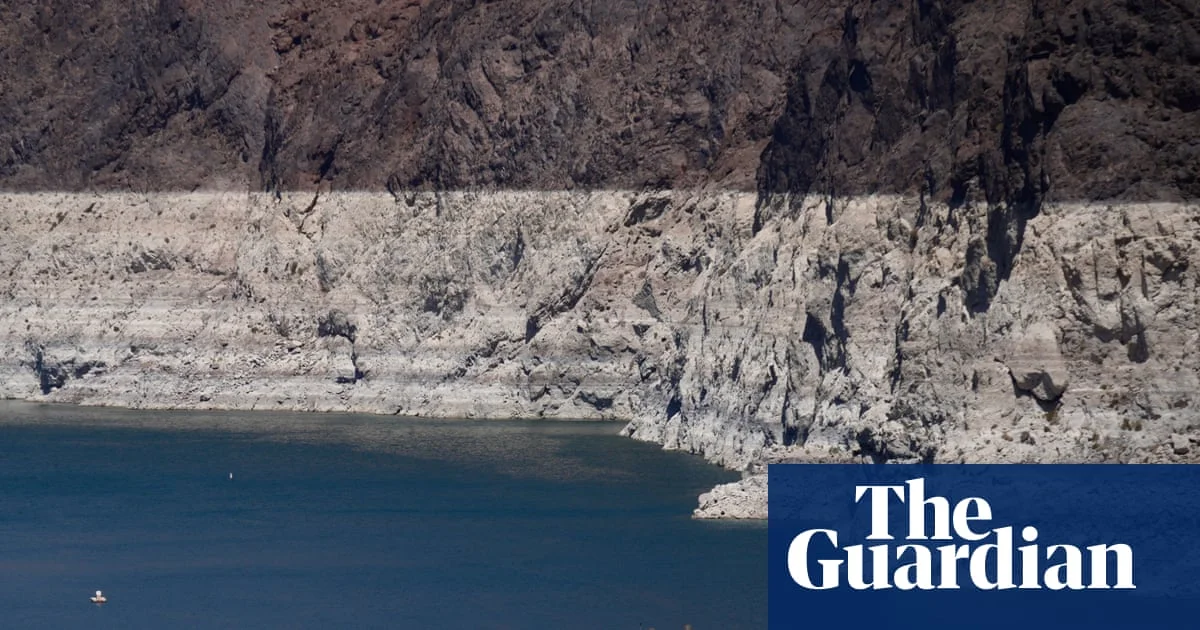
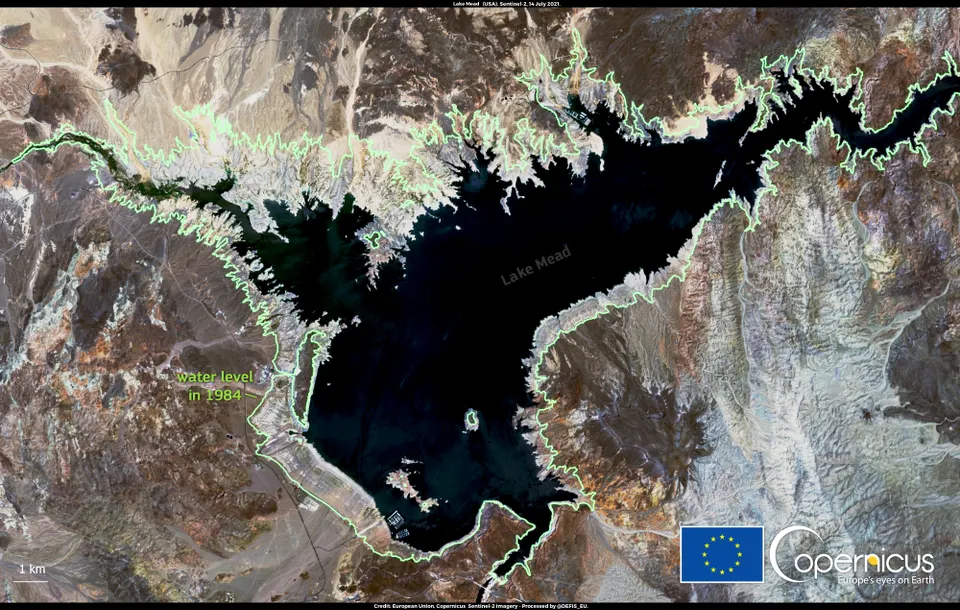
The American West is facing a reckoning as Lake Mead, the largest reservoir in the United States, has plummeted to its lowest level since it was first filled nearly a century ago. According to federal data from the US Bureau of Reclamation, water levels at the reservoir—which straddles the Arizona-Nevada border—dropped to 1,040.4 feet (317.1 meters) above sea level this Friday. This figure officially breaks the previous record low set in July 2022, signaling that the decades-long drought and over-allocation of the Colorado River have reached a critical tipping point. The river serves as a lifeline for 40 million people across seven states and northern Mexico, and this decline threatens not only the drinking water supply for cities like Las Vegas and Phoenix but also the massive agricultural industry of the Imperial Valley.
This decline is more than just a statistical anomaly; it represents a systemic threat to the region’s energy and economic stability. As the water level drops toward the "dead pool" status, the ability of the Hoover Dam to generate hydroelectric power for millions of customers is severely compromised. Federal officials have already begun implementing mandatory water cuts for downstream states, but the speed of the reservoir's depletion suggests that current conservation measures may be insufficient. For global observers, the crisis at Lake Mead serves as a grim preview of how climate volatility can destabilize even the most advanced economies, forcing a radical rethinking of urban growth and resource management in arid regions.
Tehran’s Security Consolidation: The Rise of the Old Guard
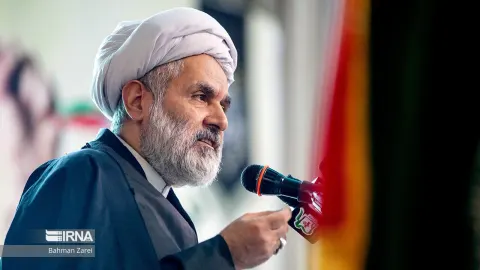
In a move that suggests a significant tightening of the ideological and security apparatus in Iran, state media has reported a series of high-level appointments involving veteran military figures. According to IRNA, Mohammad Bagher Zolghadr has been appointed as a political advisor to the leadership. This follows the recent tapping of Mohsen Rezaei, a longtime IRGC commander and former presidential candidate, to lead the Supreme National Security Council. These appointments indicate that the Iranian establishment is consolidating power within its "old guard," prioritizing internal security and ideological continuity at a time when the country faces mounting external pressures and economic stagnation.
Analysts view these shifts as a defensive posture by the regime. By placing hardline veterans in key advisory and security roles, the leadership is likely seeking to streamline decision-making and ensure a unified front against both domestic dissent and international sanctions. The appointment of Zolghadr, who has a long history within the security and judiciary branches, suggests that the state is doubling down on its existing policies rather than seeking a path of reform or diplomatic opening. For the Iranian public, this consolidation often translates to increased social restrictions and a further narrowing of the political landscape, as the security-centric worldview of these officials becomes the primary driver of national policy.

Climate Chaos in the East: Typhoon Dolphin Slams China
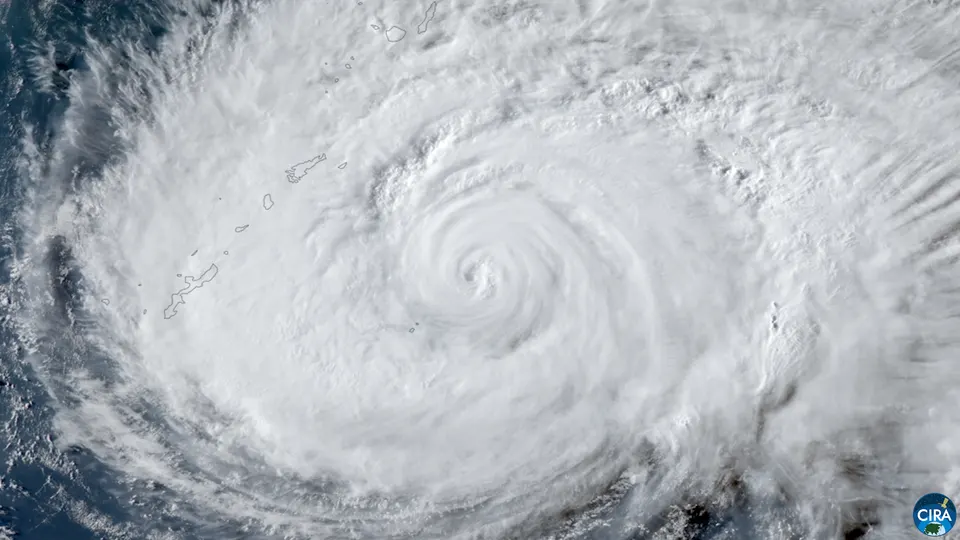
While the American West struggles with a lack of water, China’s east coast is currently battling an excess of it. Typhoon Dolphin, characterized as the strongest tropical cyclone to hit the country this year, has made landfall, bringing torrential rains and destructive winds. The storm previously tore through Japan’s Okinawa prefecture, leaving thousands without power and causing significant infrastructure damage. As it moves inland, Chinese authorities have issued high-level warnings for flooding and landslides, particularly in industrial hubs along the coast. This weather event adds another layer of complexity to global supply chains, as port operations and manufacturing in the affected regions face temporary shutdowns.
Market Divergence: EV Bets and the Toman’s Fragile Stability
In the global markets, the narrative is one of sharp contrasts between technological ambition and investor skepticism. Ford has made a bold move by pricing its new electric pickup at $28,350, a strategic bet to capture the mass market and compete with cheaper international rivals. However, the tech sector remains volatile; AppLovin saw its stock plunge by 20% despite reporting a staggering 53% jump in revenue. This disconnect highlights a growing trend where investors are no longer satisfied with top-line growth alone, demanding instead clear pathways to sustainable profitability and conservative future guidance in an uncertain interest rate environment.
Locally, the Iranian Toman has shown a slight appreciation in the last 24 hours, though it remains in a historically weak position. The USD sell rate moved from 186,000 to 185,700 Toman, a modest decrease of 0.2%. Meanwhile, the gold market saw divergent movements: while 18k gold remained virtually flat at 18,763,562 Toman per gram, the Emami coin rose from 186,500,000 to 187,000,000 Toman (+0.3%). This slight rise in coin prices despite a stable or falling dollar suggests that local investors are still seeking refuge in physical gold as a hedge against long-term inflation and the ongoing political reshuffling in Tehran.
Frequently Asked Questions
Why is the water level of Lake Mead so critical for the US economy?
What does the appointment of Mohammad Bagher Zolghadr signify?
Why did the price of Emami coin rise while the USD exchange rate fell?
Understanding the Rentier State: A Key to Iran's Political Economy
The news headline, juxtaposing environmental crises with geopolitical developments, implicitly highlights the complex interplay of internal and external factors shaping nations. To understand the 'Tehran Consolidates Power' aspect and the 'Toman exchange rate' fluctuations, a crucial concept is the Rentier State. This term describes a state that derives a substantial portion of its national revenue from external rents – typically from the export of natural resources like oil or gas – rather than from taxing its citizens or from productive economic activity. Unlike states that rely on broad-based taxation, rentier states often face less pressure to be accountable to their populace, as their funding doesn't directly depend on citizen contributions.
In a rentier state, the government's access to vast, unearned income can profoundly influence its political structure. It often leads to a centralization of power, as controlling these resource revenues becomes paramount. Institutions and individuals associated with managing or protecting these resources, such as the Islamic Revolutionary Guard Corps (IRGC) in Iran, can gain significant economic and political influence. This dynamic can contribute to the consolidation of power by specific factions, as seen in the keywords mentioning veteran IRGC guards and key political figures within Iran's National Security Council.
Economically, rentier states are often susceptible to the 'resource curse.' While resource wealth can bring initial prosperity, it often hinders the development of diversified economies. Such nations become highly vulnerable to global commodity price fluctuations; a drop in oil prices or the imposition of sanctions can drastically reduce state revenues, leading to budget deficits, inflation, and currency devaluation, directly impacting the 'Toman exchange rate.' This reliance can also stifle innovation and private sector growth, as the state becomes the primary economic actor.
Iran serves as a prominent example of a rentier state, with its economy heavily reliant on oil exports. The challenges posed by international sanctions, which restrict its ability to sell oil, underscore the vulnerabilities inherent in this economic model. Understanding the concept of the rentier state provides a vital framework for interpreting the political maneuvering, economic instability, and social dynamics within countries like Iran, offering deeper insights beyond surface-level news reports.
Topics
Related Articles