Netanyahu Defies US Peace Plan as Tehran Recalls Mohsen Rezaei to Lead Security Council
نه قاطع نتانیاهو به طرح صلح آمریکا و بازگشت محسن رضایی به ویترین امنیتی تهران
Israel's Prime Minister has publicly rejected a US-backed 15-point peace plan for Gaza, creating a rare rift with the Trump administration. Meanwhile, Tehran undergoes a major security reshuffle with Mohsen Rezaei returning to a pivotal role in the Supreme National Security Council.
At time of publishing
USD
185,700
Toman
Gold 18K
18.76M
Toman / gram
Bitcoin
$65,160
US Dollar
Tether
185,623
Toman
Netanyahu Rejects US-Led Peace Plan Amid Growing Regional Tension
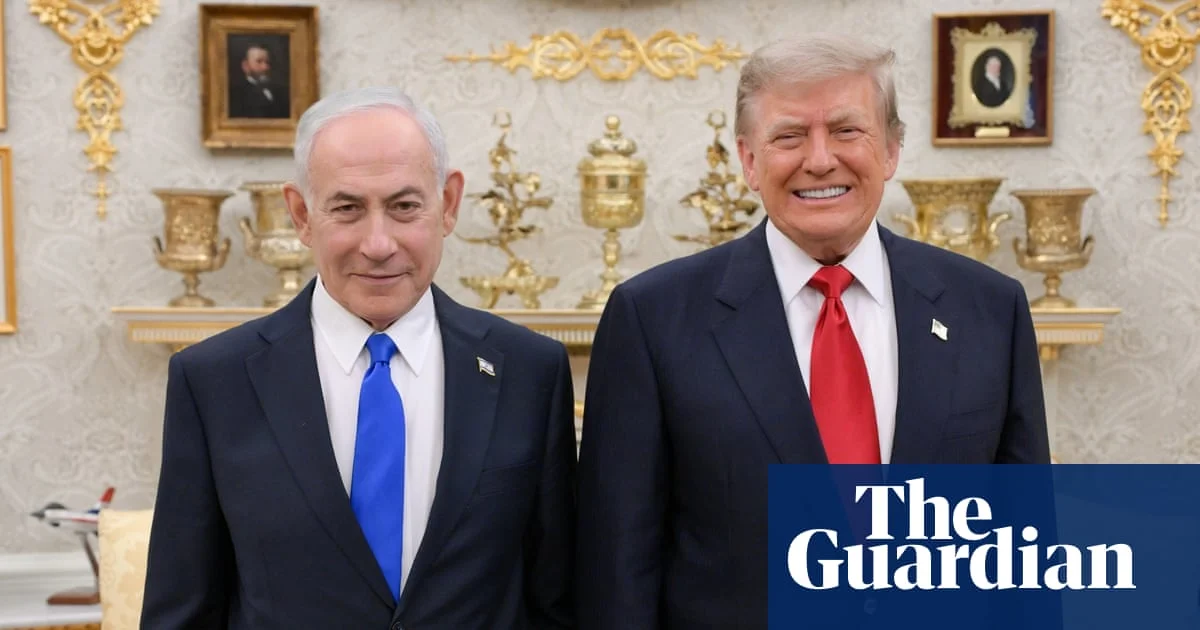
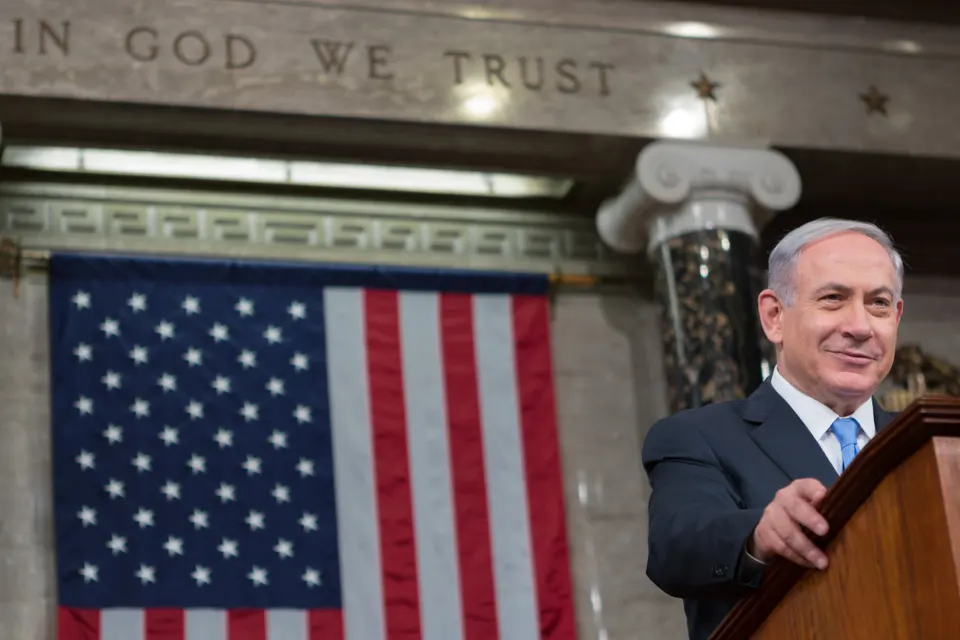
In a rare and public break with the United States, Israeli Prime Minister Benjamin Netanyahu has officially rejected a 15-point peace plan for Gaza that was backed by the Trump administration. Netanyahu stated that the Israeli Defense Forces (IDF) would not withdraw from the region until Hamas is fully disarmed, effectively shutting down the immediate prospects of the US-brokered roadmap. This move comes as a response to what Netanyahu described as a "wave of rumors" regarding Israeli weakness, asserting that Israel will not accept any deal that does not include its full buy-in on security fronts in Gaza, Lebanon, and Iran.
This defiance marks a significant pivot in the geopolitical landscape of 2026. For months, markets have priced in a potential de-escalation based on the 15-point framework, but this rejection reintroduces a high level of uncertainty. In the Iranian markets, this tension has kept the demand for safe-haven assets high, even as the Toman saw a marginal appreciation. The USD sell rate moved from 186,000 to 185,700 (-0.2%), reflecting a cautious wait-and-see approach by traders who are balancing regional war risks against domestic liquidity controls.
Tehran’s Security Shuffle: Mohsen Rezaei Returns to the SNSC
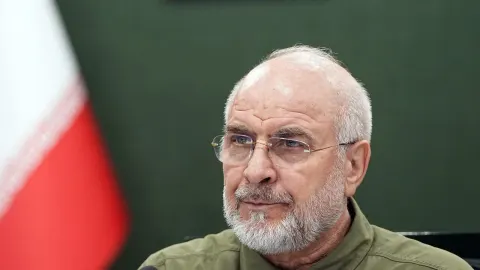
President Masoud Pezeshkian has officially appointed Mohsen Rezaei as the new Secretary of the Supreme National Security Council (SNSC), following the resignation of Mohammad Bagher Zolghadr. In a simultaneous move, the Leader of the Islamic Revolution, Ayatollah Sayyid Mojtaba Hosseini Khamenei, appointed Rezaei as his direct representative to the council. This dual appointment places the former IRGC commander at the heart of Iran’s security and foreign policy decision-making at a time when the country is navigating intense regional friction and a deadlock over the Strait of Hormuz.
The return of Rezaei, a veteran of the security establishment, suggests a consolidation of the "old guard" and a potential hardening of Tehran's stance in regional negotiations. By replacing Zolghadr with a figure who has deep ties to both the military and the executive branch, the Iranian government appears to be streamlining its response to the ongoing Gaza crisis and the US-led peace initiatives. For the Iranian public, this shift signals that security remains the top priority, often at the expense of economic liberalization, which explains why the Emami coin rose from 186,500,000 to 187,000,000 (+0.3%) as investors anticipate continued geopolitical volatility.

US Nuclear Ambitions and the Global Energy Outlook
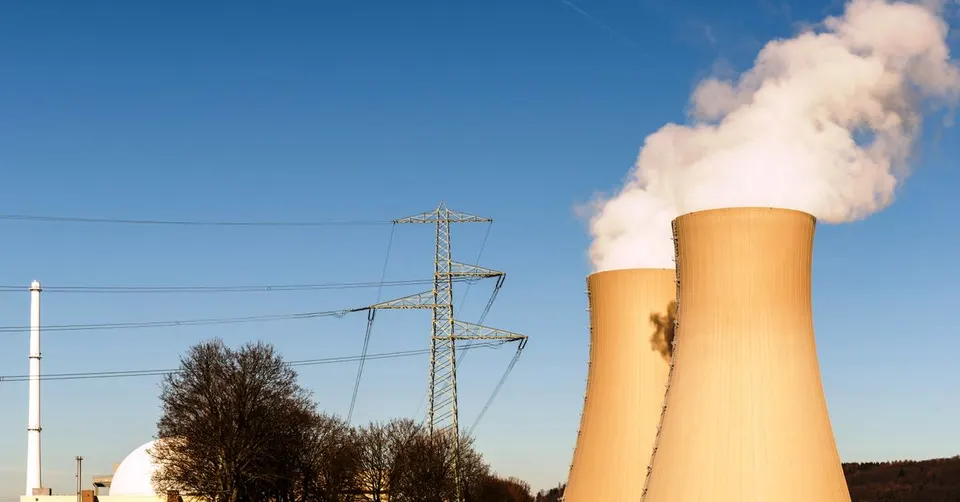
On the energy front, the United States is moving forward with an ambitious plan to reinvigorate its nuclear industrial base. Under a recent executive order, the Trump administration aims to add 5 GW of power to existing reactors and begin construction on 10 new large-scale reactors by 2030. However, industry experts warn that reopening disused nuclear plants is far more complex than a simple restart, requiring adherence to rigorous safety standards and significant infrastructure overhauls. This policy is part of a broader strategy to ensure energy independence and stabilize domestic power prices amid global oil fluctuations.
The focus on nuclear energy comes at a time when traditional energy routes are under threat. With the Strait of Hormuz remaining a point of contention, the shift toward nuclear and renewable alternatives is accelerating in the West. This long-term energy pivot could eventually reduce the global reliance on Middle Eastern oil, which would have profound implications for Iran's economy and its primary source of foreign currency. For now, gold remains the preferred hedge against these structural shifts, with the gold ounce holding steady at $4,343.30 and local 18k gold prices slightly increasing to 18,763,562 Toman.
Bitcoin Resistance and the Failure of the 'Anti-Spam' Fork
In the world of digital assets, Bitcoin continues to face resistance at the $65,500 level. A recent attempt to create an "Anti-Spam" fork of the Bitcoin network has effectively sputtered to a halt after mining only two blocks. The breakaway chain failed to gain significant support, drawing only 2.53% of the total mining hash rate. This failure highlights the immense difficulty of challenging the established Bitcoin network, even when proposing technical improvements. The market's rejection of the fork reinforces the "digital gold" narrative of the main chain, though technical indicators like the Money Flow Index (MFI) suggest that BTC may currently be in overbought territory.
For Iranian crypto traders, Bitcoin's stability at $65,160 provides a sense of relative calm compared to the fluctuating local currency. While the USDT price in Toman remains high at 185,623, the lack of a successful fork means that the ecosystem's value remains concentrated in the primary network. As global markets monitor the Japanese bond losses and US debt levels, Bitcoin is increasingly viewed as a crucial component of a diversified portfolio, especially in high-inflation environments like Iran where traditional banking options are limited by international sanctions.
Frequently Asked Questions
Why did Benjamin Netanyahu reject the 15-point US peace plan?
What is the significance of Mohsen Rezaei's appointment to the SNSC?
Why did the Bitcoin 'Anti-Spam' fork fail so quickly?
Understanding Iran’s Supreme National Security Council (SNSC)
The Supreme National Security Council (SNSC) is Iran’s top decision‑making body on matters of national security, foreign policy, and strategic defense. Established after the 1979 Islamic Revolution, the council brings together the President, the head of the judiciary, the chief of staff of the armed forces, and the head of the Islamic Revolutionary Guard Corps (IRGC), all chaired by the Supreme Leader. Its mandate includes shaping Iran’s diplomatic posture, overseeing the nuclear program, and coordinating responses to regional crises, making it a pivotal arena where political, military, and ideological interests intersect.
In practice, the SNSC functions as a bridge between the elected government and the unelected institutions that wield significant power in Iran. While the President can propose policies, the council can veto or reshape them, especially when they touch on sensitive issues like the nuclear deal or relations with the United States. The appointment of former IRGC commander Mohsen Rezaei as the council’s secretary in 2024 signaled a hard‑line tilt, emphasizing a more confrontational stance toward Western initiatives such as the U.S. peace plan for Gaza.
The council’s influence extends beyond diplomacy. It oversees the country’s strategic industries, including the nuclear energy sector and the development of missile capabilities. By coordinating the ministries of defense, intelligence, and foreign affairs, the SNSC can swiftly mobilize resources in response to external threats or sanctions, which explains why Iran’s economic levers—like the Toman exchange rate—often shift in tandem with security council decisions. Understanding the SNSC therefore provides insight into why Iran’s foreign policy can appear both abrupt and deeply coordinated.
For observers of Middle‑East geopolitics, the SNSC is a key indicator of Iran’s future moves. When the council convenes, analysts watch for language that hints at policy shifts, such as changes in rhetoric toward Israel, the United States, or regional allies. The council’s resolutions can affect global markets, influencing everything from gold prices—often used as a hedge against sanctions‑induced instability—to the viability of new financial technologies like cryptocurrency in the country.
In short, the Supreme National Security Council is the engine that drives Iran’s strategic choices. Its composition, authority, and recent leadership changes help explain the country’s current diplomatic posture, its economic responses to sanctions, and its broader role in shaping regional security dynamics.
Topics
Related Articles