
Regional Tensions Peak as Netanyahu Rejects Trump Plan; Gold Inches Higher Amid Hormuz Uncertainty
تنشهای منطقهای در اوج؛ نتانیاهو طرح صلح ترامپ را رد کرد و طلا گران شد
Israel’s rejection of a US-backed peace plan has sent shockwaves through regional markets, while reports of new tanker strikes in the Persian Gulf keep energy prices volatile. As gold edges up in Tehran, investors are bracing for a prolonged period of geopolitical instability.
At time of publishing
USD
185,700
Toman
Gold 18K
18.80M
Toman / gram
Bitcoin
$65,158
US Dollar
Tether
186,874
Toman
The War Narrative and the Collapse of Diplomacy
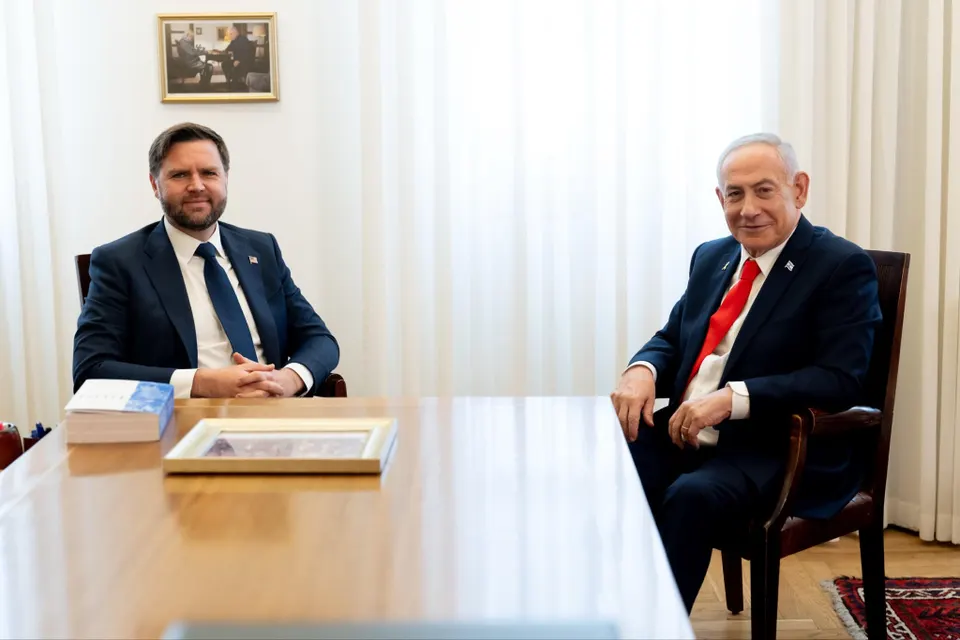
The geopolitical landscape in the Middle East has entered a more volatile phase as Israeli Prime Minister Benjamin Netanyahu officially rejected a 15-point peace plan for Gaza, which had been heavily backed by U.S. President Donald Trump. In a rare and public break with Washington, Netanyahu asserted during a cabinet meeting that the Israel Defense Forces (IDF) would not withdraw from any front until Hamas is "genuinely" disarmed. This defiance comes amid a broader context defined by the "Iran War" timeline, which began with significant escalations on February 28 and has since evolved into a monthslong campaign involving multiple regional actors.
For the Iranian reader, this political deadlock signals that the hope for a swift diplomatic resolution—and the subsequent easing of economic pressure—is fading. Netanyahu's insistence on continuing military operations in Gaza, Lebanon, and against Iranian interests suggests that the region is locked in a cycle of attrition. This has immediate consequences for market sentiment in Tehran; while the USD/IRR remained flat at 185,700 today, the underlying anxiety is palpable as the risk of a larger, direct confrontation remains at its highest point in years. The rejection of the Trump-backed plan also indicates that even traditional alliances are being tested by the realities of this conflict.
Maritime Insecurity and the Gold Response
The physical manifestation of these tensions is once again visible in the critical shipping lanes of the Persian Gulf. Reports emerged this morning of another tanker on fire off the coast of Oman, following a series of confirmed strikes on Emirati vessels earlier this month. While Iranian state media has focused on domestic events like Journalists' Day, international maritime monitors and social media footage have highlighted the growing danger to global energy supplies. The Houthi movement, aligned with Tehran, has also intensified its campaign, recently targeting a Saudi oil refinery on the Red Sea coast with a drone salvo, further complicating the security of the world's most vital energy corridors.
These security breaches are directly impacting domestic asset prices. In the Tehran market, the price of 18k gold rose from 18,763,562 to 18,802,807 Toman, a 0.2% increase within 24 hours. Similarly, the Emami gold coin moved from 187,000,000 to 187,500,000 Toman (+0.3%). Gold typically acts as a hedge against the very type of geopolitical chaos we are witnessing in the Strait of Hormuz. As shipping insurance rates climb and the threat of a full blockade looms, local investors are shifting capital into hard assets, even as the global gold price sits at a staggering $4,349.10 per ounce.

Global Disruptions: From AI Regulation to Climate Shock
Beyond the immediate conflict zone, significant shifts are occurring in the global economy. In Australia, the government has announced a landmark Royal Commission into Artificial Intelligence, signaling a move toward aggressive regulation of the technology. This comes as tech workers globally report working up to 90 hours a week despite industry promises that AI would reduce labor burdens. This regulatory trend is worth watching, as it may set the precedent for how digital economies are managed in an era of rapid automation. For those holding Bitcoin, the market remains in a state of high tension, with BTC currently trading at $65,158 and facing significant resistance at the $65,500 level.
Meanwhile, in the East, China has evacuated over one million people as Typhoon Dolphin makes landfall near Shanghai. The massive storm is expected to disrupt manufacturing and logistics in one of the world's busiest commercial hubs. For the global economy, this climate-driven shock adds another layer of supply chain risk, potentially fueling inflationary pressures that are already high due to the ongoing energy crisis. As the U.S. considers domestic measures like waiving the Jones Act to lower fuel prices, it is clear that the combination of war, technology, and climate is creating a uniquely challenging environment for global markets.

Market Summary and Outlook
As of 10:00 Tehran time, the currency market remains surprisingly stable given the surrounding chaos, with the USD sell rate holding at 185,700 Toman. However, the upward movement in gold and the persistent resistance in the crypto market suggest that a major move may be on the horizon. Investors are advised to keep a close eye on the Strait of Hormuz; any further verified attacks on tankers could trigger a sudden spike in the USD/IRR rate as the risk premium is re-evaluated. The disconnect between official stability and regional reality is a gap that usually closes with a sharp market correction.
Frequently Asked Questions
Why did Netanyahu reject the US peace plan?
How are the attacks in the Strait of Hormuz affecting the Iranian economy?
What is the economic impact of Typhoon Dolphin in China?
Why Gold Shines as a Safe‑Haven During Geopolitical Crises
Gold has long been labeled a safe‑haven asset – a store of value that investors turn to when confidence in other markets falters. Unlike equities or currencies, gold does not generate cash flows and cannot be “defaulted” on, so it retains purchasing power even when governments or corporations stumble. The metal’s intrinsic scarcity, global recognizability, and ease of storage make it a natural hedge against uncertainty.
When geopolitical tensions flare, the perceived risk of a financial shock rises sharply. Traders react by selling risk‑on assets such as stocks and high‑yield bonds, while simultaneously buying assets that are expected to retain value. Gold benefits from two reinforcing forces: a flight‑to‑safety demand and a weakening of the U.S. dollar, which is typically the currency used to price the metal. As the dollar falls, the price of gold in dollar terms climbs, amplifying its appeal.
The recent escalation in the Strait of Hormuz – a narrow waterway through which roughly 20% of the world’s oil passes – provides a textbook example. An attack on a tanker in the Hormuz corridor sparked a sudden spike in oil prices, prompting worries about supply disruptions. In the days that followed, gold prices in August 2026 inched higher, reflecting investors’ desire to protect wealth from both higher energy costs and the broader market volatility that often accompanies Middle‑East flashpoints.
Investors can gain exposure to gold through physical bars and coins, exchange‑traded funds (ETFs) such as SPDR Gold Shares (GLD), or futures contracts on the COMEX. Each method carries trade‑offs: physical gold incurs storage and insurance costs, ETFs offer liquidity but depend on custodial integrity, and futures provide leverage but can lead to margin calls. Understanding these options helps market participants decide how best to use gold as a buffer against geopolitical risk.
Topics
Related Articles