Harry Potter Fans Divert £430m Power Cable; Mohsen Rezaei Takes Reins at Iran’s Security Council
تغییر مسیر کابل ۴۳۰ میلیون پوندی به خاطر هری پاتر؛ انتصاب محسن رضایی در شورای عالی امنیت ملی
A massive undersea energy project is forced to relocate due to a fictional elf's 'grave' in Wales, while Tehran sees a strategic shift in its security leadership. Meanwhile, North Korean hackers weaponize AI against crypto markets as oil facilities face fresh drone strikes.
At time of publishing
USD
185,300
Toman
Gold 18K
18.83M
Toman / gram
Bitcoin
$65,247
US Dollar
Tether
185,700
Toman
The Cost of Fandom: Dobby’s ‘Grave’ Redirects £430m Infrastructure
In a bizarre intersection of pop culture and critical infrastructure, the Greenlink undersea power cable—a £430 million project designed to link the power grids of the UK and Ireland—has been forced to change its path. The reason is not a geological fault or a military zone, but the fictional grave of Dobby, the house-elf from the Harry Potter series. Fans of the franchise have long flocked to Freshwater West beach in Pembrokeshire, Wales, to leave painted stones and socks at the site where the character's death was filmed. Despite pleas from environmental groups and the National Trust to stop the practice due to ecological sensitivity, the site has become a cultural landmark that the project developers eventually decided to bypass entirely.
The decision to relocate the cable was driven by a combination of public pressure and the discovery of actual Bronze Age human remains nearby. However, the narrative has been dominated by the 'Dobby' factor, highlighting how modern infrastructure projects must now navigate not just environmental and legal hurdles, but the unpredictable power of digital-age fandoms. The relocation ensures that the cable will now pass through areas deemed less controversial, though the logistics of moving such a massive project have added layers of complexity to the UK’s energy security strategy. For investors, it serves as a reminder that 'social license to operate' can sometimes hinge on the most unexpected cultural variables.
Tehran’s Strategic Shift: Mohsen Rezaei and the Caspian Framework
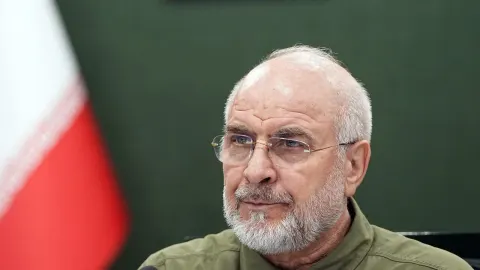
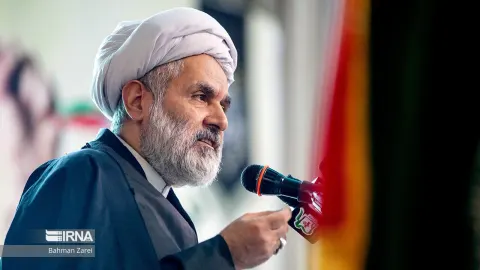
In Tehran, a significant reshuffling of the security apparatus is underway. Ali-Akbar Velayati, the senior international affairs adviser to the Leader, has officially congratulated Mohsen Rezaei on his appointment as the secretary of the Supreme National Security Council (SNSC). Velayati emphasized that Rezaei’s "strategic outlook" and revolutionary background are essential for safeguarding the Islamic Republic’s interests during a period of heightened regional volatility. This appointment signals a move toward consolidating experienced hardline leadership at the helm of Iran’s most critical decision-making body, likely as a response to escalating tensions in the Levant and the Persian Gulf.
Simultaneously, Iranian officials are doubling down on the legal framework of the Caspian Sea. The head of Iran’s Caspian Sea Secretariat recently stated that the existing convention among the five littoral states provides a comprehensive shield for Iran’s national interests. By emphasizing the legal status of the Caspian, Tehran is signaling to its northern neighbors—and to global powers—that it intends to maintain a firm grip on its northern maritime borders and energy resources. This dual focus on internal security leadership and northern maritime legalism suggests a multi-front strategy to project stability while the southern maritime routes remain under intense international scrutiny.
AI Weaponization and the Ukraine-Russia Energy War
Technological warfare is entering a dangerous new phase as reports emerge of North Korean hacking groups, specifically Kimsuky, integrating generative AI into their operations. According to cybersecurity analysts, these state-sponsored actors are using AI to craft highly sophisticated phishing documents and investment lures targeting the crypto and finance sectors. By automating the creation of convincing fake documents, these hackers can scale their attacks with a level of linguistic precision that was previously impossible, posing a direct threat to digital asset holders and fintech institutions globally. This evolution in cyber-warfare underscores the urgent need for AI-driven defense mechanisms within the financial industry.
On the physical battlefield, the energy war continues to escalate as Ukraine launches a fresh wave of drone attacks on Russian oil refining facilities. President Volodymyr Zelenskyy has explicitly linked these strikes to a strategy of increasing economic pressure on Moscow. Adding to the geopolitical complexity, Zelenskyy warned that up to 50,000 North Korean soldiers are expected to be deployed alongside Russian forces, a significant increase from previous estimates. This internationalization of the conflict, combined with the systematic targeting of oil infrastructure, keeps the global energy market on edge, as any disruption to Russian refined product exports could lead to a tightening of global supply despite current price fluctuations.
Market Snapshot: Toman Stability Amid Gold’s Marginal Gains
As of 12:00 Tehran time, the domestic currency market shows a slight cooling trend. The USD/IRR exchange rate moved from 185,700 to 185,300, representing a modest 0.2% decrease over the last 24 hours. This minor correction suggests a brief period of consolidation as traders wait for clearer signals from the newly reorganized Supreme National Security Council. While the currency remains at historically elevated levels, the lack of a sharp breakout this morning provides a temporary window of stability for local businesses and importers who have been grappling with extreme volatility.
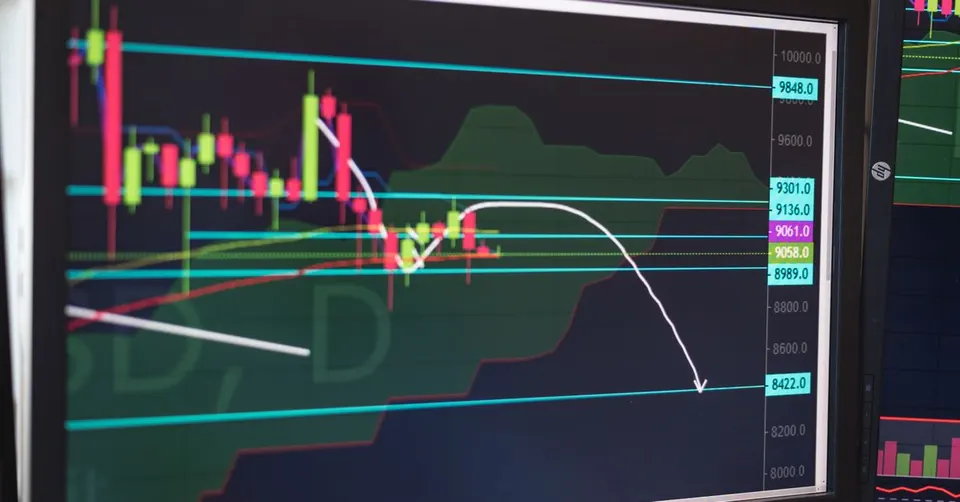
In contrast, the gold market continues to show resilience. Gold 18k per gram rose from 18,763,562 to 18,832,817 Toman, a 0.4% increase, while the Emami coin saw a 0.3% gain to reach 187,500,000 Toman. This divergence between a slightly weaker Dollar and stronger Gold suggests that local investors are still seeking a hedge against long-term inflation and regional risks. Meanwhile, in the global crypto space, Bitcoin is holding steady above the $65,000 mark, trading at $65,247. Despite the Senate delaying key crypto legislation (the CLARITY Act), steady ETF inflows have provided a floor for the market, preventing a deeper sell-off even as cybersecurity threats from state-sponsored actors like North Korea loom larger.
Frequently Asked Questions
Why was a £430m power cable moved for a fictional character?
What does Mohsen Rezaei's appointment to the SNSC mean for Iran?
How is North Korea using AI to attack cryptocurrency markets?
Understanding Public Resistance to Infrastructure Projects: The NIMBY Phenomenon
The headline about Harry Potter fans diverting a £430 million power cable highlights a common challenge in modern development: public resistance to infrastructure projects, often encapsulated by the acronym NIMBY – "Not In My Backyard." This phenomenon occurs when local residents support the general idea of a project (like renewable energy infrastructure) but vehemently oppose its construction in their immediate vicinity. While the broader societal benefits might be acknowledged, the perceived local drawbacks – noise, visual impact, environmental concerns, or even cultural preservation as seen with the Dobby grave – often lead to significant opposition.
NIMBYism stems from a complex interplay of factors. Local communities frequently fear a decrease in property values, disruption to their quality of life, or potential ecological damage. They might also feel a lack of genuine consultation or believe that the project's benefits primarily accrue to others, while they bear the brunt of the negative impacts. In the case of the Greenlink power cable, the emotional and cultural attachment to a specific site, popularized by fiction, became a focal point for local opposition, demonstrating how diverse and sometimes unexpected factors can fuel resistance.
The implications of NIMBYism are substantial. It can lead to lengthy delays in project completion, escalating costs due to redesigns, legal battles, and increased compensation demands. In some cases, projects essential for national development, such as critical energy transmission lines or waste management facilities, might be abandoned altogether. This can hinder progress towards vital goals, like transitioning to renewable energy or improving national connectivity, by making it difficult to site necessary infrastructure.
Addressing public resistance requires proactive and transparent engagement from project developers and governments. This includes early and meaningful consultation with affected communities, clear communication of both benefits and potential impacts, and exploring mitigation strategies such as alternative routes, design modifications, or fair compensation packages. Ultimately, balancing national development needs with local concerns is a delicate act, demanding careful planning, empathy, and a commitment to shared prosperity.
Topics
Related Articles