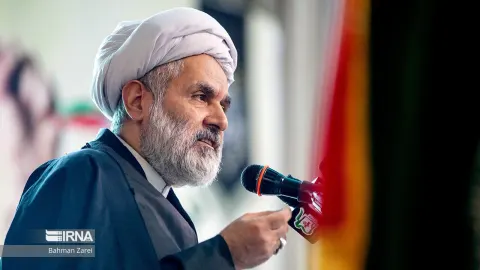
Bitcoin Slips Below $64k as Hormuz Hopes Fade; Gold Hits Record Highs in Tehran Amid Global Risk
سقوط بیتکوین به زیر ۶۴ هزار دلار در پی بن بست مذاکرات هرمز؛ جهش قیمت طلا در بازار تهران
Bitcoin has failed to hold the $65,000 support level as geopolitical tensions in the Strait of Hormuz intensify following Trump's demand for reparations. In Tehran, the USD and gold prices continue to climb, reflecting a flight to safety as global inflation fears resurface.
At time of publishing
USD
185,500
Toman
Gold 18K
18.98M
Toman / gram
Bitcoin
$63,923
US Dollar
Tether
186,600
Toman
Bitcoin Retreats as Hormuz Deadlock Rattles Markets
The digital asset market is facing a sharp correction this morning as Bitcoin (BTC) fell below the critical $64,000 mark, currently trading at $63,923. The primary catalyst for this downturn appears to be a sudden cooling of diplomatic hopes regarding the Strait of Hormuz. For weeks, traders had priced in a potential de-escalation, but recent rhetoric from Washington has shattered that optimism. Donald Trump’s latest demand for "50 years of compensation" from Iran as a prerequisite for any permanent maritime agreement has effectively stalled negotiations. This geopolitical friction is driving institutional investors to reduce their exposure to riskier assets, with reports surfacing that major holders like MicroStrategy may be offloading portions of their holdings to navigate the volatility.
This shift in sentiment is not limited to crypto. The failure of Bitcoin to hold the $65,000 level for a fourth consecutive day suggests a deeper structural concern among traders about regional stability. While some analysts viewed Bitcoin as a potential "digital gold," the current price action indicates it is still behaving more like a high-beta tech asset sensitive to global conflict. As the possibility of a force majeure on oil exports from nearby regions like Libya looms—following drone strikes on the Zawiya refinery—the market is bracing for a sustained period of energy-driven inflation, which traditionally pressures speculative assets like cryptocurrencies.
Global Inflation Fears and the Hawkish Turn in Australia
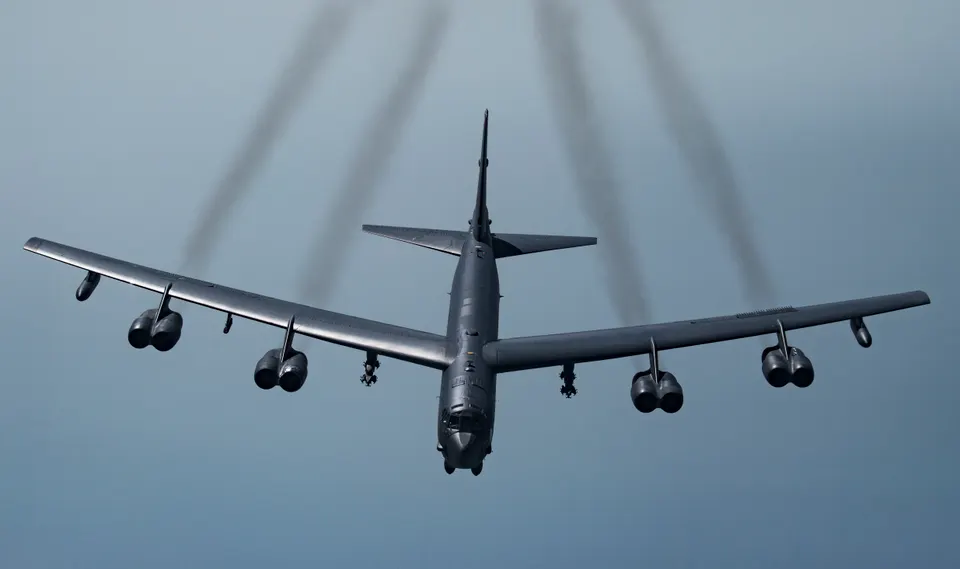
While the Middle East remains a flashpoint, the global economic narrative is being further complicated by stubborn inflation data from the Pacific. The Reserve Bank of Australia (RBA), led by Governor Michele Bullock, has held the cash rate at 4.35%, but the accompanying statement was far more hawkish than anticipated. Bullock warned that further rate hikes remain on the table, a stark reminder that the battle against rising costs is far from over. This "higher for longer" interest rate environment is strengthening the US Dollar globally and placing immense pressure on emerging market currencies, including the Iranian Toman.
The global reaction to these hawkish signals has been a massive flight to physical gold. The international spot price of gold has surged to an extraordinary $4,364.70 per ounce, reflecting a world that is increasingly skeptical of fiat currency stability. For Iranian investors, this global trend is compounded by local currency depreciation. In Tehran, the price of 18k gold rose from 18,791,264 to 18,975,945 Toman (+1.0%) within just 24 hours. This dual-pressure system—global inflation and local geopolitical risk—is making gold the undisputed king of the current market cycle, as evidenced by the Emami coin jumping 1.3% to reach 189,000,000 Toman.
Geopolitical Realignment and the Cost of Conflict
The strategic landscape in the region is undergoing a significant shift as the United States grapples with its own internal constraints. Recent reports suggest that years of defense spending are being questioned as the US appears to be facing shortages in key weapons stockpiles. This development, highlighted by Al Jazeera, raises critical questions about the long-term sustainability of US military involvement in regional conflicts. If the US is indeed "running out of weapons," the leverage it holds in negotiations over the Strait of Hormuz may be diminishing, emboldening regional actors and contributing to the current diplomatic stalemate.
In Tehran, this period of high tension is being met with a consolidation of military and political power. Foreign Minister Abbas Araghchi recently moved to congratulate senior military officials on their new appointments by the Leader, signaling a unified front between the diplomatic and military branches of the state. These appointments, including those by Ayatollah Sayyid Mojtaba Hosseini Khamenei, suggest that Iran is preparing for a prolonged period of strategic competition rather than a quick diplomatic fix. For the average citizen, this translates to a persistent "war premium" on the price of the US Dollar, which rose slightly from 185,200 to 185,500 Toman (+0.2%) this morning. As long as the rhetoric of compensation and military readiness dominates the airwaves, the path toward economic stabilization remains obscured.
Frequently Asked Questions
Why did Bitcoin fall below $64,000 today?
What is the impact of the RBA's decision on the Iranian market?
How has the price of gold changed in Tehran in the last 24 hours?
The Strait of Hormuz: Why This Narrow Waterway Moves Global Markets
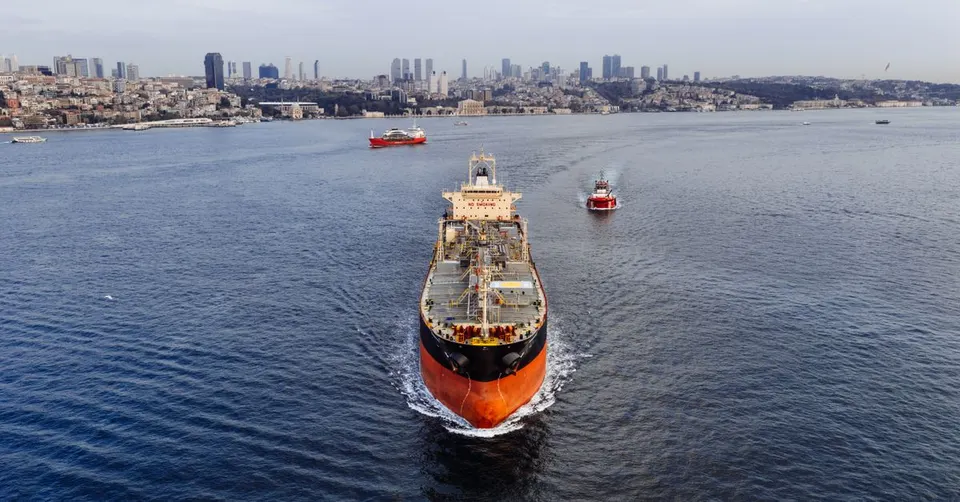
The Strait of Hormuz is a 21‑mile (33 km) wide channel that links the Persian Gulf with the Gulf of Oman and the open Indian Ocean. Despite its modest size, it is the world’s most critical maritime chokepoint for oil: roughly 20‑30 % of daily global oil trade—including much of the production from Saudi Arabia, Iran, Iraq, the United Arab Emirates and Kuwait—passes through it each day. Any threat to the free flow of ships, whether from military confrontations, piracy, or accidental blockages, instantly creates a supply‑side shock that reverberates through energy markets.
When tension spikes in the Hormuz corridor, traders anticipate a potential reduction in oil supply and price spikes. The risk premium—an extra return demanded by investors for bearing geopolitical uncertainty—quickly climbs, pushing up not only crude oil prices but also the value of assets traditionally seen as safe havens, such as gold. In recent weeks, heightened rhetoric around the Strait helped lift Tehran’s gold market to record levels, as Iranian investors sought to preserve wealth against a backdrop of a weakening rial and rising global inflation expectations.
The ripple effects extend beyond commodities. A surge in oil prices typically strengthens the U.S. dollar because oil is priced in dollars, which can depress the value of emerging‑market currencies like the Iranian rial (IRR). A weaker rial, in turn, fuels domestic inflation and can prompt central banks elsewhere—such as the Reserve Bank of Australia (RBA)—to adjust policy rates to counter imported price pressures. Even speculative assets like Bitcoin feel the shock: heightened uncertainty can trigger short‑term sell‑offs as investors move cash into more “real” stores of value, explaining recent dips below $64,000.
Understanding the Hormuz dynamic is essential for anyone tracking global finance. It illustrates how a narrow geographic squeeze can amplify risk premiums, reshape currency exchange rates, and alter the behavior of both traditional and digital assets. As long as the Strait remains a flashpoint, its influence on world markets will continue to be disproportionate to its physical dimensions.
Topics
Related Articles