Trump’s Secret Catering-Truck Ruse in Turkey Revealed; Nvidia Eyes $500B AI Financing
فاش شدن فرار مخفیانه ترامپ در کانتینر غذا؛ غول انویدیا و توافق ۵۰۰ میلیارد دلاری هوش مصنوعی
Reports emerge of Donald Trump hiding in a catering container to escape an Iranian threat in Turkey, while Nvidia partners with Wall Street giants for a historic $500 billion AI infrastructure deal. Meanwhile, gold prices in Tehran surge as regional uncertainty grows.
At time of publishing
USD
185,500
Toman
Gold 18K
18.96M
Toman / gram
Bitcoin
$63,864
US Dollar
Tether
187,149
Toman
The Catering Container Ruse: Trump’s Secret Exit from Ankara
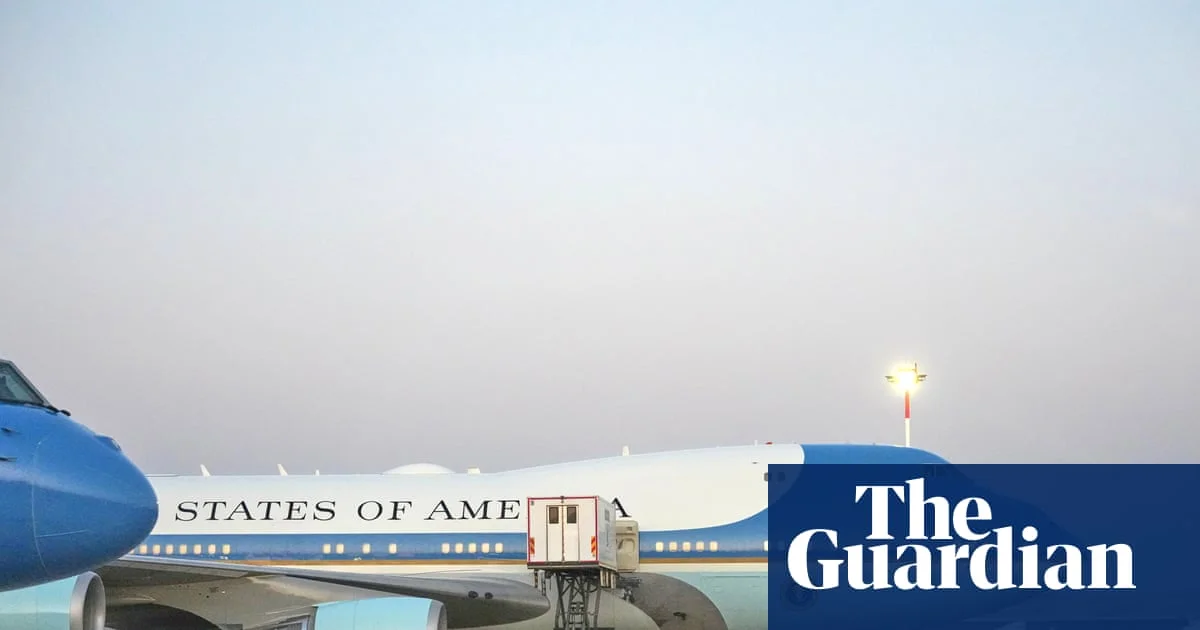
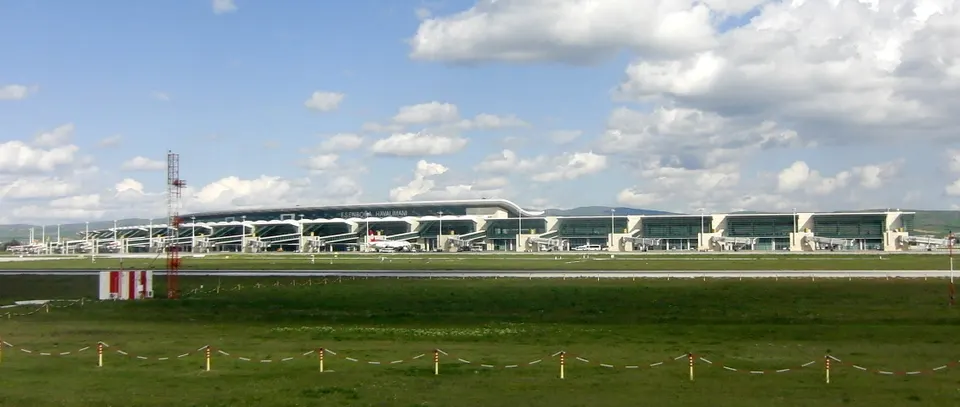
In a revelation that reads more like a Cold War spy novel than modern diplomacy, reports from the Washington Post and New York Times have detailed an extraordinary operation to smuggle Donald Trump out of Turkey last month. According to these reports, the former president was hidden inside an airport catering container—the kind typically used to load airline meals—to move him from the public eye to a secret military flight. This elaborate ruse was reportedly prompted by specific and heightened intelligence regarding an Iranian assassination threat while Trump was attending a NATO summit in Ankara.
While the White House had officially stated that Trump was departing aboard the standard Air Force One jumbo jet, he was actually shuttled minutes later to a smaller, more maneuverable plane via a catering truck. This level of operational security underscores the extreme tension currently defining the relationship between Washington and Tehran. For readers in Iran, this development signals that the shadow of past conflicts remains a primary driver of US policy and security protocols, suggesting that any hope for a diplomatic thaw remains buried under layers of mutual suspicion and high-stakes security maneuvering.
Nvidia and Wall Street’s $500 Billion AI Power Play
Turning to the global markets, Nvidia has sent shockwaves through the tech and finance sectors by announcing a massive partnership with Wall Street heavyweights, including BlackRock, Apollo, Goldman Sachs, and KKR. The goal is to raise a staggering $500 billion to fund artificial intelligence infrastructure. Nvidia’s CEO, Jensen Huang, noted that the company has the option to backstop up to $125 billion of these deals, effectively putting its own massive balance sheet behind the build-out of the world’s next-generation computing power.
This move represents a fundamental shift in how the AI revolution is being financed. Rather than relying solely on corporate earnings, the industry is now tapping into the deep pools of private equity and institutional capital to build the massive data centers required for the next decade of growth. For investors, this confirms that the AI boom is moving from the speculative phase into a massive industrial build-out phase. This level of capital commitment suggests that the major players in the West are doubling down on technological supremacy, which will likely further widen the gap between high-tech economies and those hampered by sanctions or limited access to global capital markets.
Tehran Markets: Gold Surges Amid Regional Volatility
The domestic market in Iran is reacting sharply to a combination of global energy shocks and regional security news. Gold has become the primary beneficiary of this uncertainty. In the last 24 hours, the price of 18k gold per gram rose from 18,791,264 to 18,964,402 Toman, a gain of 0.9%. Even more pronounced was the jump in the Emami coin, which climbed from 186,500,000 to 189,000,000 Toman, marking a significant 1.3% increase. These moves indicate a flight to safety as traders digest news of drone strikes on Libya’s largest oil refinery and the ongoing reshuffling within the IRGC leadership.
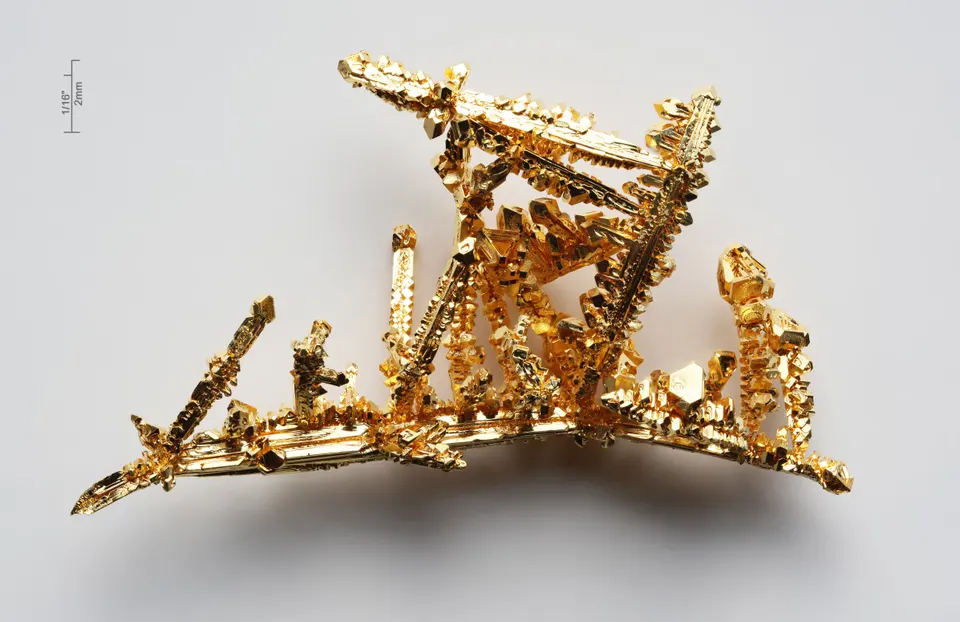
Meanwhile, the US Dollar showed relative stability but maintained an upward bias, moving from 185,200 to 185,500 Toman (+0.2%). The stability in the currency market, contrasted with the volatility in gold, suggests that while there is no immediate panic regarding liquidity, there is a deep-seated fear of long-term asset devaluation. For the average Iranian household, the continued rise in gold prices acts as a persistent inflationary pressure, making the preservation of purchasing power an increasingly difficult task as global risks continue to mount.
Crypto Stagnation and Regional Security Shifts
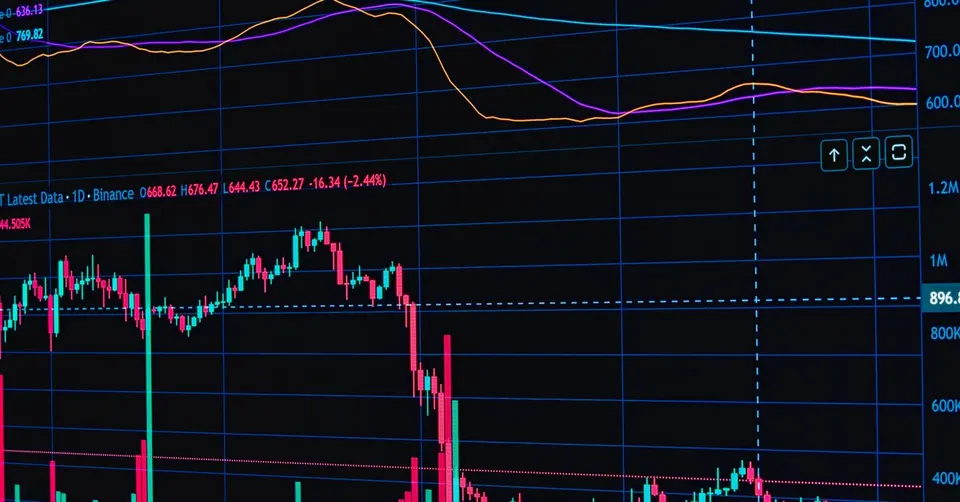
Bitcoin remains locked in a technical battleground, struggling to maintain its position above the 200-day moving average (SMA200) at approximately $63,973. Currently trading at $63,864, the world’s largest cryptocurrency has failed to capitalize on the broader market volatility. The failure to hold the $65,000 level for four consecutive days suggests that crypto investors are becoming wary of the renewed inflation risks posed by rising oil prices. With a drone strike recently hitting Libya’s Zawiya refinery, the threat of a "force majeure" on oil exports is keeping energy prices high, which traditionally dampens the appetite for riskier assets like Bitcoin.
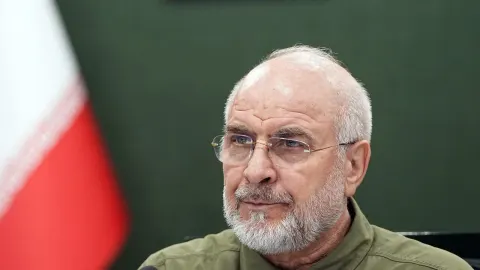
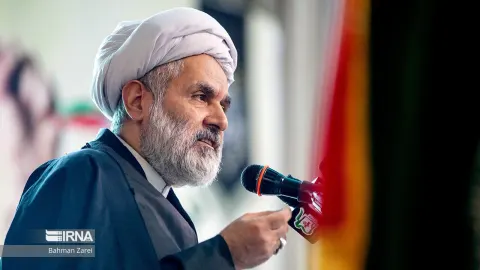
On the regional front, Iranian state media reported that Parliament Speaker Mohammad Bagher Ghalibaf has congratulated new appointments within the IRGC, including a new Navy chief and the head of the Basij Organization. These leadership changes come at a time when the Islamic Republic is facing increased scrutiny over its regional activities and the reported threats against US officials. While the government presents these changes as routine promotions, analysts view them as a consolidation of power within the hardline military establishment, likely complicating any future efforts at regional de-escalation.
Frequently Asked Questions
Why did Donald Trump allegedly hide in a catering container?
What are the details of the Nvidia $500 billion AI deal?
Why is the price of gold and coins rising in Tehran today?
Understanding Geopolitical Risk and Its Market Impact
Geopolitical risk refers to the potential for political decisions, events, or instabilities in one region to significantly impact the global economy, financial markets, and specific industries. These risks arise from international conflicts, political tensions, terrorism, regime changes, and diplomatic disputes. Unlike conventional economic risks that stem from fiscal or monetary policies, geopolitical risks introduce an element of unpredictability driven by human actions and state-level interactions, making them particularly challenging for investors and policymakers to anticipate and manage.
The mechanisms through which geopolitical risks ripple through the global economy are diverse. One primary channel is through commodity markets. For instance, conflicts or threats in major oil-producing regions, such as the drone strike on a Libyan oil refinery or past threats against Iran's oil exports, can disrupt supply chains, leading to immediate spikes in crude oil prices. This directly affects transportation costs, manufacturing, and consumer prices worldwide. Similarly, political instability can drive investors towards "safe-haven" assets like gold, explaining why gold prices in Tehran or the value of local assets like the Emami coin might surge during periods of heightened regional tension or economic uncertainty.
Beyond commodity prices, geopolitical risks can manifest as trade wars, sanctions, and currency volatility. Sanctions, like those imposed in response to certain geopolitical actions, can severely restrict a nation's access to international markets, impairing its economy and leading to currency devaluation and inflation domestically. For businesses, this translates to supply chain disruptions, increased operational costs, and reduced market access. For individuals, it means higher living costs and erosion of purchasing power, underscoring why understanding these risks is crucial for both macro-economic stability and personal financial planning.
Topics
Related Articles